
Hair loss is a complex signal from your body—often linked to hormones, nutrition, or metabolic changes like those seen with GLP-1 treatments. At Lite Medical, we go beyond topical fixes to treat the root cause and restore your hair’s vitality.
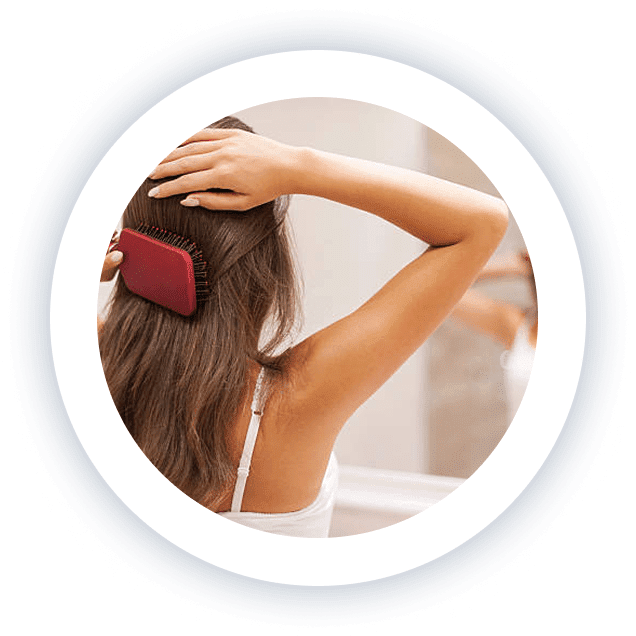
Hair loss (alopecia) affects men and women of all ages, but it is rarely just ‘bad genetics.’ It is a biological signal that your body may be under stress from hormonal imbalances (like thyroid or testosterone issues), nutritional gaps, or rapid metabolic changes. Recently, we have seen a rise in hair shedding associated with GLP-1 weight loss medications. This is often due to the rapid weight reduction and nutritional shifts that occur during treatment. At Lite Medical, Dr. Kyle Kingsley and our team use advanced diagnostics to identify why your hair is thinning and create a medical-grade plan to regrow it.
Hair loss has many possible causes. The most common include:

Low levels of iron, ferritin, Vitamin D, or B-vitamins starve hair follicles of the fuel they need to grow.
Effective weight loss treatments, including GLP-1s, can sometimes trigger ‘telogen effluvium’—a temporary shedding caused by rapid metabolic changes and protein deficits.
Hereditary male or female pattern baldness that responds best to early, medical intervention.
Physical or emotional stress can trigger temporary shedding.
Thyroid dysfunction, low testosterone, or shifts in estrogen (like during menopause) can disrupt the hair growth cycle.
Autoimmune disorders, scalp infections, or chronic illness.
Changes in hair appearance or texture may include:
Simple daily habits can help protect hair health:
Adequate protein, vitamins, and minerals support strong hair.
Avoid harsh chemicals, heat styling, or tight hairstyles.
Relaxation techniques may reduce shedding linked to stress.
Rest supports hormone balance and repair.
Drinking enough water promotes scalp and hair hydration.
When lifestyle support isn’t enough, medical treatments may be needed. Options can include:
Optimizing thyroid and sex hormones with Bioidentical Hormone Replacement Therapy (BHRT) to protect follicles.
Combat shedding with Vitamin & Nutrient Injections like Biotin and B-Complex to fuel hair production.
FDA-approved solutions to stimulate hair growth.
Options like finasteride for genetic-related loss.
Using advanced protocols like GHK-Cu (Copper Peptide) to stimulate collagen and hair regrowth at the cellular level. Learn more about Peptides.
Non-invasive light treatments that stimulate follicles.
At Lite Medical, we treat hair health as part of your whole-body wellness:
Advanced testing to uncover the root cause.
Combining nutrition, hormonal care, and targeted therapies.
Regular follow-ups to track progress and adjust as needed.
Protecting long-term scalp and hair vitality.
With the right approach, many patients see:
At Lite Medical, we believe healthy hair reflects a healthy body. Our goal is to restore balance, strengthen hair from within, and help you feel confident in your health and appearance.