
Our Blogs

Expert tips, wholistic health and science updates from the premier weight loss, hormone and longevity clinic in Minnesota!

Understanding Perimenopause and Menopause

A Practical Guide for North Metro Women

By Kyle Kingsley, MD

Many women in the North Metro begin experiencing physical and emotional changes in their 40s that feel confusing, frustrating, or unpredictable. Periods may become irregular. Sleep worsens. Mood shifts. Weight changes appear without explanation. Yet many women are told they are “too young” for menopause—or that symptoms are simply part of aging.

In reality, these changes often reflect perimenopause, the transitional phase leading up to menopause.

This guide explains:

  • The difference between perimenopause and menopause

  • Common symptoms women experience in the North Metro

  • Why timelines vary so widely

  • How modern, physician-led care approaches this transition


What Is Perimenopause?

Perimenopause is the hormonal transition period before menopause, typically beginning in a woman’s 40s but sometimes earlier.

During perimenopause:

  • Estrogen and progesterone levels fluctuate unpredictably

  • Ovulation becomes less consistent

  • Menstrual cycles change in timing and flow

This phase can last several years and is often when symptoms are most disruptive.


What Is Menopause?

Menopause is defined as:

12 consecutive months without a menstrual period, not due to another medical cause.

After menopause:

  • Ovarian estrogen production declines significantly

  • Hormone levels stabilize at a lower baseline

  • Symptoms may improve, persist, or change in character

Menopause is a point in time; perimenopause is the process that leads there.


Common Symptoms During the Transition

Symptoms vary widely, but many North Metro women report:

  • Hot flashes and night sweats

  • Sleep disruption

  • Mood changes or irritability

  • Brain fog and difficulty concentrating

  • Weight gain or body composition changes

  • Joint aches and stiffness

  • Changes in libido

Symptoms can appear years before periods stop and may fluctuate month to month.


Why Symptoms Can Feel Worse in Perimenopause

Hormone levels in perimenopause are not simply “low”—they are unstable.

Rapid rises and falls in estrogen can:

  • Disrupt sleep and thermoregulation

  • Affect neurotransmitter signaling

  • Increase sensitivity to stress

Clinical guidance from the North American Menopause Society (NAMS) emphasizes that symptom severity often peaks during perimenopause due to hormonal variability rather than absolute deficiency.
🔗 https://www.menopause.org


How Menopause Affects Long-Term Health

Beyond symptoms, menopause affects multiple body systems.

Declining estrogen influences:

  • Bone density

  • Cardiovascular health

  • Muscle mass

  • Metabolic efficiency

The Endocrine Society notes that estrogen plays a role in bone remodeling, vascular function, and metabolic regulation—factors that become increasingly relevant after menopause.
🔗 https://www.endocrine.org

Understanding this broader context helps women evaluate care options beyond symptom relief alone.


Why Timing Matters

Starting care earlier—during perimenopause rather than years after menopause—often allows:

  • More gradual symptom management

  • Lower initial dosing when appropriate

  • Better alignment with physiologic changes

That said, support can still be beneficial later, depending on individual goals and risk profile.


How Hormone Therapy Fits In (When Appropriate)

Hormone replacement therapy (HRT) is not automatically necessary for every woman, but it can be an effective option for some.

When considered thoughtfully, HRT may help address:

  • Vasomotor symptoms (hot flashes, night sweats)

  • Sleep disruption

  • Quality-of-life concerns

You can learn more about our evidence-based approach to women’s hormone replacement therapy here:
👉 https://litemedicalclinic.com/hormone-replacement-therapy-for-women/


Why Experiences Differ So Widely

Two women of the same age can have completely different experiences.

Differences are influenced by:

  • Genetics

  • Overall health

  • Stress levels

  • Sleep quality

  • Body composition

This is why cookie-cutter advice rarely works—and why individualized care matters.


How We Approach This Transition at Lite Medical

At Lite Medical, perimenopause and menopause care begins with education and context, not assumptions.

Most women start with our Premier Discovery Intake, which establishes a detailed baseline before any treatment decisions are made:
👉 https://litemedicalclinic.com/premier-discovery-intake/

Our care model emphasizes:

  • Listening to symptom patterns over time

  • Conservative, physiologic decision-making

  • Ongoing reassessment as the transition evolves

Women in the North Metro receive care through our local clinic network, including our Blaine location:
👉 https://litemedicalclinic.com/blaine/

Women in nearby Maple Grove often ask similar questions as they navigate this transition, reflecting how common these concerns are across the North Metro.

Learn more about our medical team and philosophy here:
👉 https://litemedicalclinic.com/about/


Frequently Asked Questions

What age does perimenopause usually start?
Many women in the North Metro begin noticing perimenopausal changes in their early to mid-40s, though timing varies. Symptoms can appear several years before menopause is reached.

How long does perimenopause last?
Perimenopause commonly lasts 4–8 years, with symptom intensity fluctuating over time rather than progressing in a straight line.

Do symptoms stop once menopause occurs?
Not always. Some symptoms improve after menopause, while others may persist or change in nature.

Is hormone therapy required during menopause?
No. Hormone therapy is optional and should be considered based on symptoms, health history, and personal goals.

How do I know whether what I’m experiencing is normal?
A physician-led evaluation helps distinguish normal hormonal transition from conditions that warrant additional attention.


Final Thoughts from Dr. Kingsley

Perimenopause and menopause are not single events—they are transitions that unfold over years.

For women in the North Metro, understanding what is happening hormonally provides clarity and reduces unnecessary worry. With thoughtful evaluation and individualized care, many women navigate this phase with greater confidence and fewer disruptions.

The goal is informed support, not reflexive treatment.


Book a Consultation

If you’re navigating perimenopause or menopause and want a physician-guided discussion of your options, you can book your consultation here:
👉 https://litemedicalclinic.com/contact/


Medical & Regulatory Disclaimers

This article is for educational purposes only and does not constitute medical advice. Menopause and perimenopause care decisions are individualized and should be made in consultation with a qualified healthcare professional.

The US FDA urges caution around unapproved or compounded hormone formulations that may be unsafe. All therapies at Lite Medical are provided following appropriate medical evaluation and current clinical standards.

What to Expect in Your First 90 Days on HRT

A Physician-Guided Timeline at Our Edina Clinic

By Kyle Kingsley, MD

For many women in Edina, starting hormone replacement therapy (HRT) is both hopeful and uncertain. Symptoms like hot flashes, sleep disruption, brain fog, or mood changes may have been building for years, and the decision to begin treatment often comes after careful consideration.

One of the most common questions I hear is:

What should I actually expect in the first few months after starting HRT?

Hormone therapy is not an overnight fix. It works gradually by restoring physiologic signaling over time. Understanding the first 90-day timeline helps set realistic expectations and allows women to evaluate progress thoughtfully rather than reactively.

This article outlines:

  • What happens in the first weeks of therapy

  • How symptoms typically change over 90 days

  • Why adjustments are often part of the process

  • How women at our Edina clinic are monitored during early treatment


Why the First 90 Days Matter

The first three months of HRT are about stabilization, not perfection.

During this period:

  • Hormone receptors are adapting

  • The body is re-establishing feedback loops

  • Symptoms may fluctuate before improving

Clinical guidance from the North American Menopause Society emphasizes that hormone therapy response is progressive and individualized, particularly during early treatment phases.
🔗 https://www.menopause.org

This is why structured follow-up and patience matter.


Days 1–14: Starting Therapy and Early Signals

In the first one to two weeks, many women notice subtle changes, not dramatic relief.

Possible early experiences include:

  • Slight improvement in sleep quality

  • Fewer nighttime awakenings

  • Mild reduction in hot flash frequency

  • Increased sense of calm

Some women feel nothing at all during this window, which is completely normal. Early changes suggest that hormone receptors are beginning to respond.


Weeks 3–6: Emerging Symptom Relief

By weeks three through six, many women begin to notice clearer patterns.

Common changes include:

  • Reduced intensity and frequency of hot flashes

  • Improved sleep continuity

  • Fewer night sweats

  • More stable mood

The Endocrine Society notes that hormonal effects on thermoregulation and central nervous system signaling typically emerge over several weeks rather than days.
🔗 https://www.endocrine.org

This phase often marks the first time women feel confident that therapy is having an effect.


Weeks 6–12: Assessment and Fine-Tuning

Between six and twelve weeks, hormone therapy usually reaches a more consistent state.

During this phase:

  • Benefits become more predictable

  • Side effects, if present, are easier to identify

  • Dose or delivery adjustments may be considered

This is also when clinicians assess whether:

  • Symptoms are adequately controlled

  • Delivery method is appropriate

  • Expectations align with outcomes

Adjustments at this stage are common and should be viewed as part of the process, not a setback.


What Improves First — and What Takes Longer

Different tissues respond at different speeds.

Typically:

  • Hot flashes and night sweats improve first

  • Sleep quality follows

  • Mood and cognitive clarity improve gradually

  • Musculoskeletal and metabolic effects take longer

Understanding this sequence prevents unnecessary concern when some symptoms improve faster than others.


Why Route of Delivery Affects Early Experience

Delivery method influences how quickly and smoothly hormone levels stabilize.

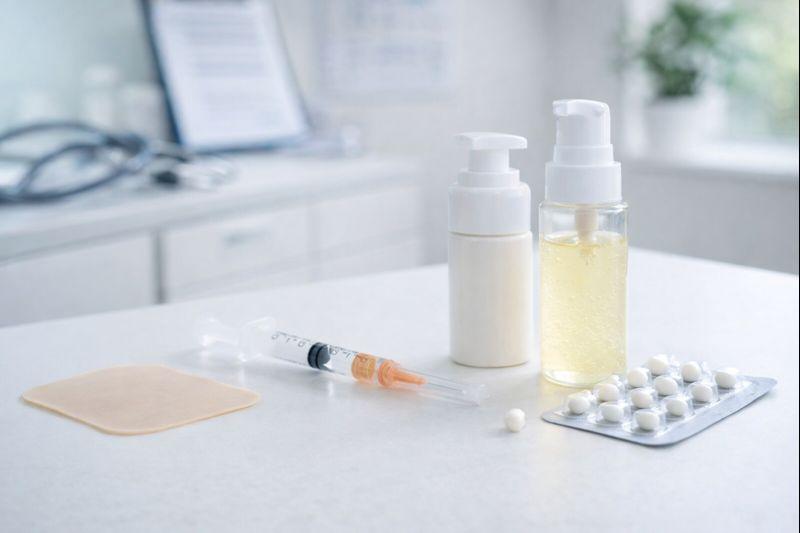
Transdermal estrogen (patches, gels, creams):

  • Avoids first-pass liver metabolism

  • Produces steadier hormone levels

  • Often results in smoother symptom improvement

Oral formulations may take longer to stabilize and can produce more variability early on.

You can learn more about our overall clinical approach to women’s hormone replacement therapy here:
👉 https://litemedicalclinic.com/hormone-replacement-therapy-for-women/


Common Early Concerns (and What’s Normal)

During the first 90 days, women sometimes notice:

  • Mild breast tenderness

  • Temporary bloating or fluid shifts

  • Mood variability

These effects are often dose-related and transient. Persistent or worsening symptoms warrant reassessment rather than abandonment of therapy.


How We Monitor the First 90 Days at Lite Medical

At Lite Medical, early HRT care emphasizes structured follow-up and communication.

Most women begin with our Premier Discovery Intake, which establishes a clear baseline before therapy begins:
👉 https://litemedicalclinic.com/premier-discovery-intake/

Our approach includes:

  • Symptom-based monitoring

  • Conservative, physiologic dosing

  • Thoughtful adjustments when needed

Women in Edina receive care through our local clinic network:
👉 https://litemedicalclinic.com/edina-minneapolis/

Women in nearby Eden Prairie often follow a similar early timeline, reflecting how consistent these patterns are across the west metro.

Learn more about our medical team and care philosophy here:
👉 https://litemedicalclinic.com/about/


Frequently Asked Questions

How soon should I expect to feel better after starting HRT?
Many women in Edina begin noticing subtle improvements within 3–6 weeks, with more consistent symptom relief by 2–3 months. The exact timeline depends on hormone dose, delivery method, and individual physiology.

Is it normal for symptoms to fluctuate early on?
Yes. During the first 90 days, hormone receptors are adjusting, and temporary fluctuations are common before stabilization occurs.

Should my dose be changed if I don’t feel better right away?
Not immediately. Most clinicians wait several weeks before making changes unless side effects are significant.

What if I feel worse after starting therapy?
New or worsening symptoms should be discussed promptly, as they may reflect dose or delivery issues that can be adjusted.

Is the first prescription usually the final plan?
Often not. Early adjustments are a normal part of individualized hormone therapy.


Final Thoughts from Dr. Kingsley

The first 90 days of hormone therapy are about progress, not perfection.

For women in Edina, understanding the early timeline helps align expectations with physiology. When hormone therapy is started thoughtfully and monitored appropriately, most women see steady improvement over time rather than instant change.

The goal is durable relief that supports long-term health—not rapid shifts that sacrifice safety.


Book a Consultation

If you’re considering hormone therapy and want a physician-guided discussion of what to expect, you can book your consultation here:
👉 https://litemedicalclinic.com/contact/


Medical & Regulatory Disclaimers

This article is for educational purposes only and does not constitute medical advice. Hormone therapy decisions are individualized and should be made in consultation with a qualified healthcare professional.

The US FDA urges caution around unapproved or compounded hormone formulations that may be unsafe. All therapies at Lite Medical are prescribed following appropriate medical evaluation and current clinical standards.

How Long Does It Take for HRT to Work?

A Timeline for Relief for Women in Maple Grove, Minnesota

By Kyle Kingsley, MD

When women in Maple Grove consider hormone replacement therapy (HRT), one of the most common and reasonable questions is:

How long does it actually take to feel better once hormone therapy begins?

The answer is not instantaneous—and it shouldn’t be. Hormone therapy works by restoring physiologic balance, not by acting as a stimulant or quick fix. Understanding the expected timeline helps set realistic expectations and prevents unnecessary frustration or premature changes in treatment.

This article outlines:

  • What changes women may notice first

  • When symptom relief typically occurs

  • Why timelines vary between individuals

  • How women in Maple Grove can evaluate progress safely


Why HRT Does Not Work Overnight

Hormones regulate systems that change gradually:

  • Brain signaling

  • Thermoregulation

  • Sleep-wake cycles

  • Muscle and connective tissue

  • Metabolism

Unlike pain medications or stimulants, hormone therapy works by normalizing signaling pathways over time. Rapid effects are neither expected nor desirable.

Clinical guidance from the North American Menopause Society emphasizes that symptom improvement with hormone therapy is progressive and depends on dose, formulation, and timing relative to menopause.
🔗 https://www.menopause.org


The Typical HRT Timeline: What to Expect

While individual experiences vary, many women follow a broadly predictable pattern.


Weeks 1–2: Subtle Early Signals

In the first one to two weeks, some women notice:

  • Slight improvement in sleep quality

  • Reduced nighttime awakenings

  • Less frequent hot flashes (not eliminated)

  • Improved sense of calm

These early changes are often subtle and inconsistent. Their presence suggests hormone receptors are beginning to respond.


Weeks 3–6: Noticeable Symptom Relief

By the one-month mark, many women experience:

  • Fewer and less intense hot flashes

  • Improved sleep continuity

  • Reduced night sweats

  • More stable mood

This is often when women first say, “Something is changing.”

The Endocrine Society notes that hormone effects on central nervous system signaling and thermoregulation typically emerge over several weeks rather than days.
🔗 https://www.endocrine.org


Weeks 6–12: Stabilization Phase

Between two and three months, benefits often become more consistent:

  • Hot flashes significantly reduced or resolved

  • Improved daytime energy

  • Better sleep efficiency

  • More predictable symptom control

This is also the window where dose adjustments may be considered if symptoms persist or side effects emerge.


3–6 Months: Full Therapeutic Effect

By three to six months, hormone therapy has usually reached a steady state.

At this stage:

  • Sleep, temperature regulation, and mood are more stable

  • Joint stiffness and aches may improve

  • Quality-of-life improvements become more apparent

Importantly, this is when clinicians evaluate whether therapy is meeting goals—or needs refinement.


Why Some Symptoms Improve Faster Than Others

Different tissues respond at different rates:

  • The brain responds relatively quickly

  • Thermoregulation stabilizes over weeks

  • Musculoskeletal and metabolic effects take longer

This explains why hot flashes may improve before energy or body composition changes are noticeable.


What Can Delay or Blunt Results?

Several factors influence response time:

  • Time since menopause

  • Hormone dose and delivery method

  • Adherence to therapy

  • Individual receptor sensitivity

Starting therapy closer to menopause is generally associated with a smoother response curve, but benefits can still occur later with appropriate guidance.


Route of Delivery Matters for Timeline

Transdermal estrogen (patches, gels, creams):

  • Produces steadier blood levels

  • Often leads to smoother symptom improvement

Oral formulations:

  • Undergo liver metabolism

  • May take longer to stabilize

Delivery method selection influences how improvements unfold—not just if they occur.

You can learn more about our clinical approach to women’s hormone replacement therapy here:
👉 https://litemedicalclinic.com/hormone-replacement-therapy-for-women/


Why Patience Matters With HRT

One of the most common mistakes is changing therapy too quickly.

Hormone levels need time to:

  • Reach steady state

  • Interact with receptors

  • Produce downstream effects

Premature changes can:

  • Reset progress

  • Increase side effects

  • Obscure what is actually working


How We Monitor Progress at Lite Medical

At Lite Medical, progress is evaluated through:

  • Symptom tracking

  • Sleep and quality-of-life changes

  • Patient feedback over time

Most women begin with our Premier Discovery Intake, which establishes a baseline before therapy starts:
👉 https://litemedicalclinic.com/premier-discovery-intake/

We operate on a transparent cash-pay model, allowing for thoughtful follow-up without rushed visits.

Women in Maple Grove receive care through our northwest metro clinic network:
👉 https://litemedicalclinic.com/plymouth-maple-grove/

Women in nearby Plymouth often ask similar questions about timelines and expectations, reflecting how common these concerns are across the northwest metro.

Learn more about our medical team here:
👉 https://litemedicalclinic.com/about/


Frequently Asked Questions

How soon will hot flashes improve?
Many women notice improvement within 3–6 weeks, though full resolution may take longer.

Should I feel something immediately?
Not necessarily. Gradual improvement is expected and preferred.

What if nothing improves after three months?
A reassessment of dose, delivery method, or diagnosis is appropriate.

Does higher dose mean faster relief?
No. Higher doses increase risk without guaranteeing faster benefit.

Is HRT a lifelong commitment?
Duration is individualized and reviewed regularly.


Final Thoughts from Dr. Kingsley

Hormone therapy is a process, not an event.

For women in Maple Grove, understanding the expected timeline helps align expectations with physiology. When used thoughtfully, hormone replacement therapy can provide meaningful relief—but patience and proper monitoring are essential.

The goal is steady, sustainable improvement—not rapid change.


Book a Consultation

If you’re considering hormone therapy and want a physician-guided discussion of expectations and timing, you can book your consultation here:
👉 https://litemedicalclinic.com/contact/


Medical & Regulatory Disclaimers

This article is for educational purposes only and does not constitute medical advice. Hormone therapy decisions are individualized and should be made in consultation with a qualified healthcare professional.

The US FDA urges caution around unapproved or compounded hormone formulations that may be unsafe. All therapies at Lite Medical are prescribed following appropriate medical evaluation and current clinical standards.

Pellets, Creams, Injections, or Patches?

Choosing the Best HRT Delivery Method in St. Paul, Minnesota

By Kyle Kingsley, MD

For women in St. Paul considering hormone replacement therapy (HRT), one of the most common—and confusing—questions is not whether hormone therapy might help, but how hormones should be delivered.

Pellets. Creams. Injections. Patches.

Each option is marketed as “better,” “more natural,” or “long-lasting,” yet few explanations clearly address what actually matters from a medical standpoint.

This article provides a physician-led overview of:

  • The main HRT delivery methods used today

  • How each option works physiologically

  • Key pros and limitations of each method

  • How women in St. Paul can make informed, individualized decisions


Why Delivery Method Matters in Hormone Therapy

Hormones are powerful signaling molecules. Their effects depend not only on what hormone is used, but also:

  • How it enters the bloodstream

  • How quickly levels rise and fall

  • How consistently tissues are exposed

Delivery method influences:

  • Hormone stability

  • Side-effect profile

  • Dosing flexibility

  • Monitoring requirements

Choosing the right method is a clinical decision, not a lifestyle preference.


Transdermal Patches: Consistency and Simplicity

What they are:
Adhesive patches that deliver hormones through the skin into the bloodstream.

Commonly used for:
Estrogen therapy

Key characteristics:

  • Avoid first-pass liver metabolism

  • Provide steady hormone levels

  • Easy to start and stop

Clinical guidance from the Endocrine Society notes that transdermal estrogen avoids hepatic metabolism, which can reduce certain risks compared with oral delivery.
🔗 https://www.endocrine.org

Limitations:

  • Skin irritation for some users

  • Limited dosing range

  • Patch adherence issues

Patches are often a good option for women seeking simplicity and stability, especially early in therapy.


Creams and Gels: Flexible but Variable

What they are:
Topical formulations applied daily to the skin.

Commonly used for:
Estrogen and progesterone

Key characteristics:

  • Avoid liver metabolism

  • Allow dose adjustments

  • Non-invasive

Limitations:

  • Absorption varies between individuals

  • Daily compliance is required

  • Transfer risk with close skin contact

Creams can be effective but require consistent use and monitoring to ensure predictable hormone exposure.


Injections: Precision With Peaks and Troughs

What they are:
Intramuscular or subcutaneous injections given at scheduled intervals.

Commonly used for:
Testosterone (less commonly estrogen in women)

Key characteristics:

  • Precise dosing

  • Reliable absorption

Limitations:

  • Hormone levels can spike and decline between doses

  • Less physiologic for estrogen therapy in women

  • Requires injections

Injections may be appropriate in select cases but are not the first-line option for most women seeking estrogen therapy.


Pellets: Long-Acting but Less Adjustable

What they are:
Small hormone pellets implanted under the skin that release hormones over several months.

Key characteristics:

  • Long-acting delivery

  • No daily dosing

Limitations:

  • Limited ability to adjust dose once implanted

  • Variable absorption rates

  • Difficult to reverse if side effects occur

Guidance from the North American Menopause Society emphasizes that hormone therapy should allow for individualized dosing and reassessment—an important consideration when evaluating long-acting delivery methods.
🔗 https://www.menopause.org

Pellets may appeal to women seeking convenience but require careful patient selection and counseling.


No Single “Best” Delivery Method

There is no universally superior option.

The best delivery method depends on:

  • Symptoms and severity

  • Time since menopause

  • Medical history and risk factors

  • Lifestyle considerations

  • Willingness to monitor and adjust

The goal is physiologic support with the least risk, not maximal hormone exposure.


Why Route of Delivery Affects Safety

Delivery method influences:

  • Hormone metabolism

  • Clotting factors

  • Lipid profiles

  • Symptom consistency

Transdermal estrogen is often favored in modern practice due to its predictable absorption and lower impact on liver-mediated pathways.

You can learn more about our overall approach to women’s hormone replacement therapy here:
👉 https://litemedicalclinic.com/hormone-replacement-therapy-for-women/


How We Help Women Choose at Lite Medical

At Lite Medical, delivery method selection is based on:

  • A comprehensive symptom and health review

  • Evidence-based risk assessment

  • Clear discussion of tradeoffs

Most women begin with our Premier Discovery Intake, which allows time to evaluate goals, preferences, and medical considerations before committing to a specific method:
👉 https://litemedicalclinic.com/premier-discovery-intake/

We operate on a transparent cash-pay model, allowing individualized care without insurance-driven constraints.

Women in St. Paul receive care through our local clinic network:
👉 https://litemedicalclinic.com/woodbury-st-paul/

Women in nearby Woodbury often evaluate similar delivery options, reflecting how regional decision-making occurs across the east metro.

Learn more about our medical team and philosophy here:
👉 https://litemedicalclinic.com/about/


Frequently Asked Questions

Are pellets safer than patches or creams?
Safety depends on dose, monitoring, and individual risk factors—not delivery method alone.

Can I switch delivery methods later?
Yes. Many women change methods as symptoms, preferences, or tolerance evolve.

Do injections work faster?
They may raise hormone levels quickly but can cause fluctuations that are less physiologic.

Is one method more “natural”?
No delivery method is inherently more natural. Structure, dose, and monitoring matter most.

How do I know which method is right for me?
A physician-led evaluation is essential to match delivery method to individual needs.


Final Thoughts from Dr. Kingsley

Choosing an HRT delivery method is not about convenience or trends—it’s about matching physiology to the patient.

For women in St. Paul, the best outcomes come from thoughtful selection, conservative dosing, and ongoing reassessment—not from one-size-fits-all solutions.

The goal is steady, predictable support that improves quality of life while respecting long-term health.


Book a Consultation

If you’re considering hormone therapy and want a physician-guided discussion of delivery options, you can book your consultation here:
👉 https://litemedicalclinic.com/contact/


Medical & Regulatory Disclaimers

This article is for educational purposes only and does not constitute medical advice. Hormone therapy decisions are individualized and should be made in consultation with a qualified healthcare professional.

The US FDA urges caution around unapproved or compounded hormone formulations that may be unsafe. All therapies at Lite Medical are prescribed following appropriate medical evaluation and current clinical standards.

Bioidentical vs Synthetic Hormones

What Women in Eden Prairie, Minnesota Should Know

By Kyle Kingsley, MD

When women in Eden Prairie begin exploring hormone replacement therapy (HRT), one of the first and most confusing questions they encounter is:

What is the difference between bioidentical and synthetic hormones—and does it actually matter?

The answer is yes—but not always in the way the internet or marketing materials suggest. Much of the confusion surrounding hormone therapy comes from outdated data, oversimplified messaging, and a failure to distinguish between hormone structure, dose, and delivery method.

This article provides a physician-led, evidence-based explanation of:

  • What bioidentical and synthetic hormones actually are

  • How they differ biologically and clinically

  • What modern medical evidence shows about safety

  • How Eden Prairie women can make informed decisions without fear-based marketing


What Are Bioidentical Hormones?

Bioidentical hormones are hormones that are chemically identical to those naturally produced by the human body.

Common examples include:

  • Estradiol (a primary form of estrogen)

  • Progesterone

  • Testosterone (used at physiologic doses for women)

Because their molecular structure matches endogenous hormones, bioidentical hormones bind predictably to hormone receptors and are metabolized in ways that closely resemble natural physiology.

A critical clarification:
“Bioidentical” refers to molecular structure, not whether a product is “natural.”
Bioidentical hormones are prescription medications manufactured under pharmaceutical standards.


What Are Synthetic Hormones?

Synthetic hormones are compounds that do not exactly match human hormone structure.

Historically common synthetic hormones include:

  • Conjugated equine estrogens

  • Synthetic progestins (such as medroxyprogesterone acetate)

These formulations were developed decades ago and became widely used because they were stable, patentable, and easy to mass-produce. While they can be effective for symptom control, their structural differences influence how they interact with receptors and how they are metabolized by the body.


Why Hormone Structure Matters

Hormones exert their effects by binding to receptors throughout the body, including in the brain, bone, breast tissue, uterus, and cardiovascular system.

Even small molecular differences can affect:

  • Receptor binding behavior

  • Metabolism in the liver

  • Downstream effects on target tissues

Clinical guidance from the Endocrine Society emphasizes that hormone structure and route of delivery influence metabolism, receptor interaction, and tissue response—key considerations when selecting hormone therapy formulations.
🔗 https://www.endocrine.org

This is one reason modern menopause care increasingly favors bioidentical formulations when appropriate.


Safety Concerns: Understanding the Data Correctly

Many women’s fears about hormone therapy stem from older studies that:

  • Used synthetic hormones, not bioidentical formulations

  • Included women who were well past menopause when therapy began

  • Used dosing strategies no longer considered standard

These factors matter.

Guidance from the North American Menopause Society (NAMS) emphasizes that hormone therapy decisions should be individualized based on symptom burden, timing relative to menopause, and a woman’s personal risk profile—not broad assumptions about hormone type alone.
🔗 https://www.menopause.org

Modern clinical practice looks very different from the approaches used decades ago.


Bioidentical Does NOT Mean “Risk-Free”

It is important to be precise:
Bioidentical hormones are not inherently risk-free.

Risk depends on:

  • Age and time since menopause

  • Personal and family medical history

  • Type of hormone used

  • Dose and route of delivery

  • Ongoing monitoring

Bioidentical hormones allow for more physiologic replacement, but they still require careful prescribing and follow-up.


Why Route of Delivery Is Just as Important

Hormones can be delivered orally or transdermally (patches, gels, creams).

Transdermal delivery:

  • Avoids first-pass liver metabolism

  • Produces more stable hormone levels

  • Is often associated with lower clotting risk

Many bioidentical hormones are prescribed transdermally, which can improve tolerability and safety for some women—but delivery method must be chosen thoughtfully.

You can learn more about our approach to women’s hormone replacement therapy here:
👉 https://litemedicalclinic.com/hormone-replacement-therapy-for-women/


Why Many Modern Clinics Prefer Bioidentical Hormones

In contemporary menopause care, bioidentical hormones are often preferred because they:

  • More closely mimic natural physiology

  • Allow for individualized dosing

  • Are available in multiple delivery formats

  • Align with modern evidence-based practice

For many Eden Prairie women, the goal is not aggressive hormone use, but precise, symptom-driven support.


Marketing vs Medicine: Clearing the Confusion

Marketing has created two harmful myths:

  • “Synthetic hormones are always dangerous”

  • “Bioidentical hormones are natural and therefore safe”

Neither is true.

Hormone therapy is a medical treatment, not a supplement. Safety is determined by clinical judgment, dosing, timing, and monitoring—not by labels.


How We Evaluate Hormone Options at Lite Medical

At Lite Medical, hormone therapy decisions are guided by:

  • Symptom severity and quality-of-life impact

  • Individual risk factors

  • Evidence-based dosing strategies

  • Ongoing reassessment

Most women begin with our Premier Discovery Intake, a structured evaluation designed to determine whether hormone therapy is appropriate and which options make sense.
👉 https://litemedicalclinic.com/premier-discovery-intake/

We operate on a transparent cash-pay model, allowing time for individualized care without insurance constraints.

Women in Eden Prairie receive care through our local clinic network:
👉 https://litemedicalclinic.com/eden-prairie/

Women in nearby Edina and Minneapolis often ask similar questions as they compare hormone therapy options across the west metro, reflecting how regional this decision-making process truly is:
👉 https://litemedicalclinic.com/edina-minneapolis/

Learn more about our medical team here:
👉 https://litemedicalclinic.com/about/


Final Thoughts from Dr. Kingsley

The distinction between bioidentical and synthetic hormones is not a marketing debate—it is a clinical decision.

For many women in Eden Prairie, bioidentical hormone therapy offers a more precise and physiologic approach to menopause care. The key is thoughtful prescribing, appropriate monitoring, and individualized risk assessment.

The goal is not to avoid hormones or pursue them blindly, but to use the right tools, in the right way, for the right patient.


Book a Consultation

If you are exploring hormone therapy and want a physician-led, individualized evaluation, you can book your consultation here:
👉 https://litemedicalclinic.com/contact/


Medical & Regulatory Disclaimers

This article is for educational purposes only and does not constitute medical advice. Hormone therapy decisions are individualized and should be made in consultation with a qualified healthcare professional.

The US FDA urges caution around unapproved or compounded hormone formulations that may be unsafe. All therapies at Lite Medical are prescribed following appropriate medical evaluation and current clinical standards.

Frequently Asked Questions
Are bioidentical hormones safer than synthetic hormones?
Bioidentical hormones may be a more physiologic option for many women, but safety depends on individual factors such as age, time since menopause, medical history, dose, route of delivery, and ongoing monitoring.
Are bioidentical hormones "natural"?
Bioidentical refers to molecular structure—chemically identical to human hormones—not whether a product is "natural." Bioidentical hormones are prescription medications.
Do synthetic hormones still have a role?
In select situations, yes. The best choice should be individualized based on symptoms, risk factors, and clinical judgment rather than labels.
Does insurance cover bioidentical hormones?
Coverage varies by plan and medication. Many clinics use a cash-pay model to support individualized care.
How do I know which option is right for me?
A physician-led evaluation that considers symptoms, timing relative to menopause, medical history, and goals is the most reliable way to determine whether hormone therapy is appropriate.
Budgeting for Menopause Care

Transparent Cash-Pay HRT Pricing for Women in Bloomington, Minnesota

By Kyle Kingsley, MD

For many women in Bloomington, menopause care starts with frustration. Symptoms affect sleep, work, and quality of life, yet answers are often vague and visits feel rushed. When hormone replacement therapy (HRT) enters the conversation, cost quickly becomes a source of confusion.

A common question I hear is:

How do I budget for menopause care, and why is hormone therapy often offered as a cash-pay service?

The answer has less to do with hormones themselves and more to do with how menopause care is structured in modern healthcare systems.

This article explains:

  • What actually drives the cost of menopause care

  • Why insurance coverage is often limited

  • How cash-pay HRT pricing works

  • How Bloomington women can plan and budget confidently


Why Budgeting for Menopause Care Feels Unclear

Menopause is a predictable life stage, yet care for it is often fragmented. Many women move between providers, receive conflicting advice, or are told symptoms are “normal” without a meaningful plan.

When women begin to explore hormone therapy, they often encounter:

  • Unclear pricing

  • Short visits

  • Limited follow-up

  • Insurance restrictions

This makes it difficult to plan financially, even when symptoms clearly need attention.


What You’re Really Paying for With HRT

Hormone replacement therapy is not just a prescription. It is an ongoing medical process.

Costs reflect:

  • Time spent reviewing symptoms and health history

  • Clinical judgment around hormone selection and dosing

  • Follow-up visits, labs and dose adjustments

  • Ongoing monitoring and reassessment

  • Personalized, compounded medications

In insurance-driven models, much of this work is compressed or omitted. Cash-pay models allow care to be delivered without those constraints.


Why Insurance-Dictated Healthcare Often Falls Short for Menopause Care

Many women assume insurance should cover comprehensive menopause care. In reality, coverage is often partial or inconsistent.

Insurance typically requires:

  • Brief office visits

  • Limited medication options

Insurance rarely supports:

  • Extended consultations

  • Symptom-driven dose adjustments

  • Long-term monitoring focused on quality of life

As a result, many women pay out-of-pocket anyway—often without transparency or continuity of care.


Why Cash-Pay HRT Is Common in Bloomington

Bloomington is home to many women who value clarity, efficiency, and proactive healthcare. Cash-pay menopause care aligns well with those priorities.

Cash-pay HRT offers:

  • Transparent pricing

  • Longer visits

  • Physician-led decision-making

  • Individualized care plans

  • Predictable monthly or program costs

For many women, knowing exactly what care includes—and what it costs—reduces stress and improves follow-through.

You can learn more about our approach to women’s hormone replacement therapy here:
👉 https://litemedicalclinic.com/hormone-replacement-therapy-for-women/


What Transparent Cash-Pay Pricing Typically Includes

While individual needs vary, cash-pay menopause care often includes:

  • Comprehensive intake, labs and symptom review

  • Medical decision-making around estrogen, progesterone and in some cases testosterone

  • Follow-up visits and labs for optimization

  • Ongoing clinical support

  • Access to personalized medications

This structure allows women to budget proactively rather than reacting to unexpected bills or incomplete care.


Is Cash-Pay Menopause Care More Expensive?

Not always.

Many women find that insurance-dictated care leads to:

  • Repeated short visits

  • Trial-and-error prescribing

  • Delayed symptom relief

  • Additional out-of-pocket costs over time

Cash-pay care often reduces:

  • Fragmented visits

  • Inconsistent messaging

  • Unclear expectations

For women seeking thoughtful menopause care, transparent pricing can be both financially and clinically efficient.


How We Approach Transparent HRT Pricing at Lite Medical

Lite Medical operates as a cash-pay medical practice. This allows us to focus on care quality rather than billing complexity.

Most women begin with our Premier Discovery Intake, a structured medical intake designed to assess symptoms, health history, and goals before any treatment decisions are made:
👉 https://litemedicalclinic.com/premier-discovery-intake/

Our approach emphasizes:

  • Transparent pricing

  • Physician-led care

  • Conservative, physiologic dosing

  • Ongoing monitoring and reassessment

Women in Bloomington receive care through our local clinic network. Learn more here:
👉 https://litemedicalclinic.com/richfield-bloomington/

If budgeting is a concern, clarity often helps. Many women appreciate knowing exactly what menopause care involves—and what it costs—before moving forward.

You can also learn more about our medical team here:
👉 https://litemedicalclinic.com/about/


Frequently Asked Questions About Budgeting for HRT

Why isn’t menopause care fully covered by insurance?

Insurance models prioritize brief visits and acute care. Menopause management requires time and follow-up that is often not reimbursed.

Does cash-pay mean lower quality?

No. In many cases, it allows for more individualized, consistent care.

Can I plan menopause care expenses ahead of time?

Yes. Transparent pricing makes budgeting predictable.

Is cash-pay HRT safe?

Yes, when delivered by qualified clinicians using evidence-based standards.

Is hormone therapy worth the cost?

That depends on symptoms, goals, and personal priorities. Many women feel the improvement in quality of life justifies the investment.


Final Thoughts from Dr. Kingsley

Budgeting for menopause care should not feel mysterious.

For many women in Bloomington, cash-pay hormone therapy provides clarity, access, and thoughtful medical decision-making that insurance-based systems struggle to deliver.

The goal is not more treatment—it is better, more predictable care.


Book a Consultation

If you’re exploring menopause care and want a physician-led, transparent evaluation, you can book your consultation here:
👉 https://litemedicalclinic.com/contact/


Medical & Regulatory Disclaimers

This article is for educational purposes only and does not constitute medical advice. Hormone therapy decisions are individualized and should be made in consultation with a qualified healthcare professional.

The US FDA urges caution around unapproved or compounded hormone formulations that may be unsafe. All therapies at Lite Medical are prescribed following appropriate medical evaluation and current clinical standards.
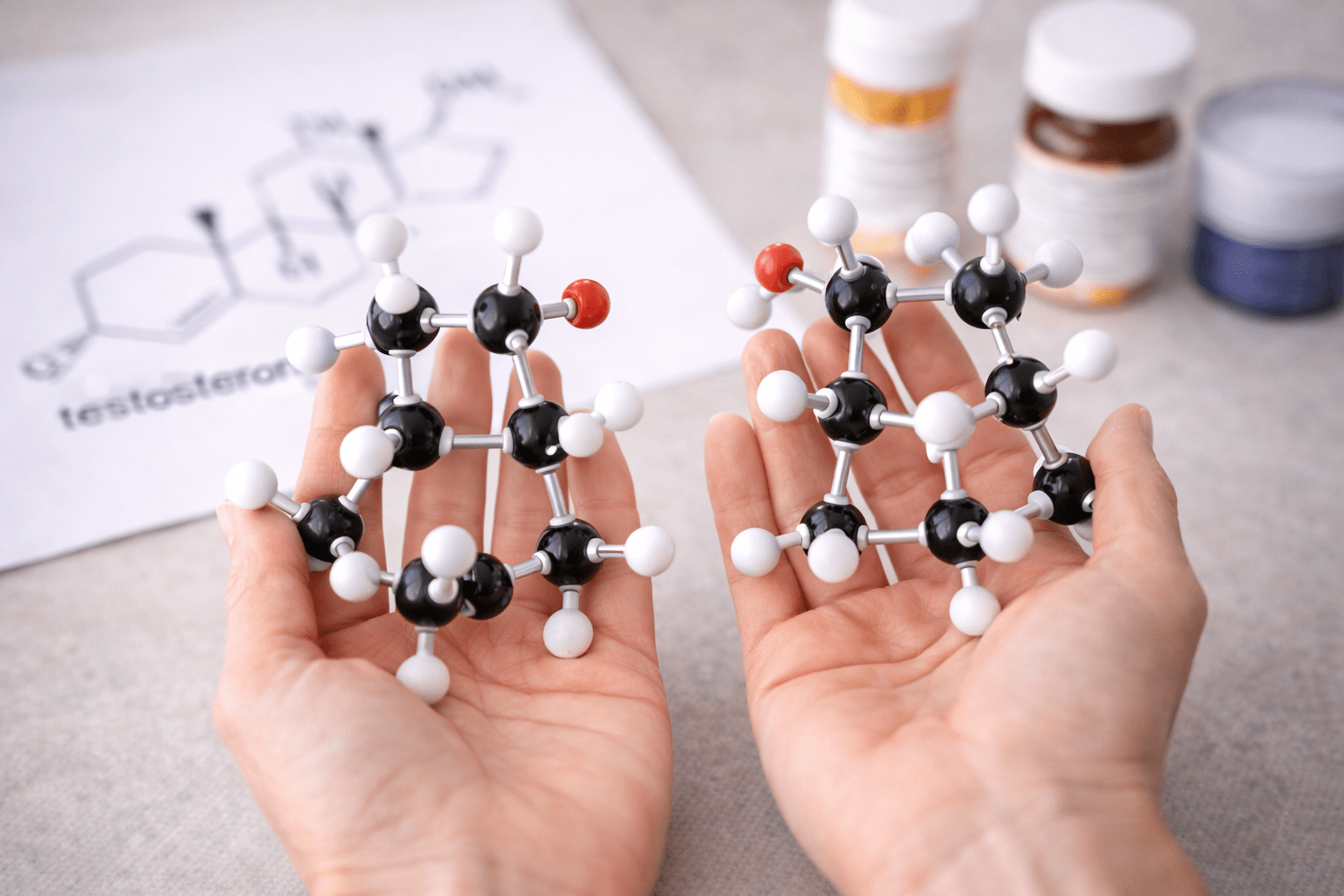
The Cost of HRT in Rochester, MN

Why Many Women Choose Cash-Pay Hormone Therapy

By Kyle Kingsley, MD

For many women in Rochester, menopause symptoms are not subtle. Hot flashes disrupt sleep. Brain fog affects work. Weight changes accelerate. Energy declines. Yet when women begin exploring hormone replacement therapy (HRT), cost quickly becomes a central concern.

A common question I hear is:

Why does hormone therapy cost what it does—and why are so many women choosing cash-pay HRT instead of insurance-based care?

The answer has less to do with hormone prices themselves and more to do with how menopause care is delivered.

This article explains:

  • What drives the cost of HRT

  • Why insurance often falls short for menopause care

  • How cash-pay hormone therapy works

  • Why many Rochester women prefer this model


Why Women Are Asking About the Cost of HRT

Historically, menopause care has been treated as an afterthought in traditional healthcare systems. Visits are short. Symptoms are minimized. Hormone therapy is often prescribed without adequate education or follow-up.

As awareness grows, more women want:

  • Thoughtful evaluations

  • Modern hormone options

  • Ongoing monitoring

  • Individualized dosing

All of these elements affect cost—and are rarely supported by insurance-driven models.


What Goes Into the Cost of Hormone Replacement Therapy?

HRT is not a single prescription. It is a care process.

Costs reflect:

  • Time spent evaluating symptoms and health history

  • Clinical decision-making around dosing and formulation

  • Ongoing monitoring and adjustments

  • Follow-up visits and reassessment

In insurance-based systems, these components are often compressed or skipped entirely. Cash-pay models allow time and attention that traditional systems do not.


Why Insurance-Care Often Doesn’t Cover Comprehensive HRT

Many women assume insurance should cover hormone therapy fully. In practice, coverage is often limited.

Common insurance barriers include:

  • Restrictive visit lengths

  • Limited provider expertise in menopause care

  • Narrow formularies

  • Minimal follow-up support

Insurance typically covers:

  • Basic office visits

  • Select medications

It rarely supports:

  • Extended consultations

  • Ongoing symptom-driven dose adjustments

  • Metabolic and quality-of-life focused care

As a result, many women pay out-of-pocket anyway—often without receiving comprehensive care.


Why Cash-Pay HRT Is Growing in Rochester

Rochester is a medically sophisticated community. Many women here are highly informed and value quality, transparency, and access.

Cash-pay hormone therapy offers:

  • Transparent pricing

  • Longer visits

  • Physician-led decision-making

  • Individualized treatment plans

  • Ongoing monitoring

For many patients, the predictability and depth of care outweigh insurance limitations.

You can learn more about our approach to women’s hormone replacement therapy here:
👉 https://litemedicalclinic.com/hormone-replacement-therapy-for-women/


What Cash-Pay HRT Typically Covers

While costs vary by individual needs, cash-pay HRT commonly includes:

  • Comprehensive intake and symptom review

  • Medical decision-making around estrogen and progesterone

  • Follow-up visits for dose adjustment

  • Ongoing clinical support

Importantly, patients know exactly what they are paying for—and why.

This transparency is a major reason many women prefer cash-pay care.


Is Cash-Pay HRT More Expensive Long-Term?

Not necessarily.

Many women find that:

  • Insurance-based care leads to fragmented visits

  • Symptoms remain unresolved

  • Additional visits, referrals, and testing add cost

Cash-pay care often reduces:

  • Trial-and-error prescribing

  • Delayed symptom relief

  • Repeated short visits

For women seeking thoughtful menopause care, cash-pay models can be both cost-effective and clinically effective.


How We Approach Transparent HRT Pricing at Lite Medical

At Lite Medical, we operate as a cash-pay medical practice. This allows us to prioritize care quality rather than billing complexity.

Most women begin with our Premier Discovery Intake, a structured medical intake designed to assess symptoms, health history, and goals before treatment decisions are made:
👉 https://litemedicalclinic.com/premier-discovery-intake/

Our approach emphasizes:

  • Transparent pricing

  • Physician-led care

  • Conservative, physiologic dosing

  • Ongoing monitoring and reassessment

Women in Rochester receive care through our local clinic network. Learn more here:
👉 https://litemedicalclinic.com/rochester/

If cost is a concern, clarity often helps. Many women appreciate understanding what they are paying for—and why.

You can also learn more about our medical team here:
👉 https://litemedicalclinic.com/about/


Frequently Asked Questions About the Cost of HRT

Is hormone therapy covered by insurance?

Sometimes partially, but comprehensive menopause care is often not fully supported by insurance plans.

Why do cash-pay clinics exist for menopause care?

Because insurance models often do not allow sufficient time or flexibility for individualized hormone therapy.

Is cash-pay HRT safe?

Yes, when delivered by qualified clinicians following evidence-based standards.

Does higher cost mean better results?

Not necessarily—but time, monitoring, and individualized care matter.

Is HRT worth the cost?

That depends on symptoms, goals, and personal priorities. Many women feel the improvement in quality of life justifies the investment.


Final Thoughts from Dr. Kingsley

The cost of hormone therapy reflects more than medication—it reflects how care is delivered.

For many women in Rochester, cash-pay hormone therapy offers transparency, access, and thoughtful medical decision-making that insurance-based models struggle to provide.

The goal is not more treatment. It is better care.


Book a Consultation

If you’re exploring hormone therapy and want a physician-led, transparent evaluation, you can book your consultation here:
👉 https://litemedicalclinic.com/contact/


Medical & Regulatory Disclaimers

This article is for educational purposes only and does not constitute medical advice. Hormone therapy decisions are individualized and should be made in consultation with a qualified healthcare professional.

The US FDA urges caution around unapproved or compounded hormone formulations that may be unsafe. All therapies at Lite Medical are prescribed following appropriate medical evaluation and current clinical standards.

HRT and Body Composition

Fat, Muscle, and Aging for North Metro Women

By Dr. Kyle Kingsley, MD

Many women in the North Metro notice that aging seems to change their bodies in ways that feel out of their control. Weight shifts toward the abdomen. Muscle tone declines. Strength drops despite consistent exercise. And body composition changes even when the scale barely moves.

At that point, a common question arises:

Can hormone replacement therapy affect fat, muscle, and aging?

The answer is nuanced. Hormone replacement therapy (HRT) is not a body-recomposition treatment, but hormonal changes during menopause play a central role in how fat and muscle are regulated. When addressed appropriately, hormone therapy can help stabilize — and in some cases slow — the body composition changes that accelerate during midlife.

This article explains how estrogen affects fat and muscle, what research shows about HRT and body composition, and how North Metro women can approach aging with a more informed, physician-led strategy.


What Is Body Composition — and Why It Changes With Age

Body composition refers to the ratio of fat mass to lean mass (muscle, bone, and connective tissue). Two women can weigh the same but have very different metabolic health based on this ratio.

During perimenopause and menopause, body composition shifts because:

  • Estrogen levels decline

  • Muscle protein synthesis slows

  • Resting metabolic rate decreases

  • Fat storage shifts toward the abdomen

Importantly, these changes often occur without major changes on the scale. Women may weigh the same yet feel softer, weaker, or less fit than before.


The Role of Estrogen in Muscle Preservation

Estrogen plays a direct role in maintaining muscle mass and strength.

Estrogen helps:

  • Support muscle protein synthesis

  • Reduce muscle breakdown

  • Maintain neuromuscular efficiency

  • Support recovery after exercise

As estrogen declines, women experience accelerated muscle loss, a process known as sarcopenia. Muscle loss lowers daily energy expenditure and increases the likelihood of fat gain — even when calorie intake remains stable.

This explains why many women notice declining strength and tone during midlife despite continued activity.


How Estrogen Affects Fat Distribution

Estrogen also influences where fat is stored.

Before menopause, estrogen:

  • Directs fat storage toward hips and thighs

  • Limits visceral (abdominal) fat accumulation

After menopause:

  • Fat storage shifts toward the abdomen

  • Visceral fat increases

  • Cardiometabolic risk rises

Visceral fat is hormonally active and associated with insulin resistance, inflammation, and cardiovascular risk. This shift is one reason midlife fat gain feels more metabolically significant than earlier weight changes.


Does Hormone Replacement Therapy Change Body Composition?

Modern research shows that HRT does not dramatically reverse aging, but it can influence the trajectory of body composition change.

Studies demonstrate that women using HRT:

  • Lose muscle mass more slowly

  • Accumulate less visceral fat

  • Maintain better metabolic profiles

These effects are supportive, not transformative. HRT helps stabilize hormonal conditions that accelerate fat gain and muscle loss, but it does not replace exercise or nutrition.


HRT Is Not a Shortcut — But It Can Remove Barriers

Hormone therapy should never be marketed as a way to “build muscle” or “burn fat.” However, hormonal imbalance can make these goals far harder to achieve.

By restoring physiologic estrogen levels, HRT may:

  • Improve exercise tolerance

  • Enhance recovery

  • Support insulin sensitivity

  • Improve sleep quality

When these barriers are reduced, resistance training and nutrition become more effective.

You can learn more about our clinical approach to women’s hormone replacement therapy here:
👉 https://litemedicalclinic.com/hormone-replacement-therapy-for-women/


Progesterone, Fluid Shifts, and Body Changes

Some women notice short-term bloating or fluid shifts when progesterone is introduced.

Key points:

  • This reflects water retention, not fat gain

  • It is often temporary

  • It is dose-dependent

Bioidentical progesterone behaves differently than older synthetic progestins, which were more likely to cause persistent bloating and adverse metabolic effects.


What Happens If Hormonal Changes Are Ignored?

Choosing not to address menopause hormonally does not prevent body composition changes.

Untreated menopause is associated with:

  • Progressive muscle loss

  • Increased visceral fat

  • Declining metabolic flexibility

  • Reduced strength and mobility over time

For many North Metro women, the decision is not whether aging will occur — but how quickly functional decline progresses.


How We Approach Body Composition at Lite Medical

At Lite Medical, hormone therapy is always evaluated in the context of long-term health and function, not cosmetic goals.

Most women begin with our Premier Discovery Intake, a comprehensive medical intake designed to assess symptoms, metabolic risk factors, and aging-related concerns before any treatment decisions are made:
👉 https://litemedicalclinic.com/premier-discovery-intake/

Our approach emphasizes:

  • Physiologic hormone dosing

  • Preference for transdermal estrogen when appropriate

  • Muscle preservation strategies

  • Ongoing monitoring and reassessment

Women in the North Metro receive care through our local clinic network, including our Blaine location:
👉 https://litemedicalclinic.com/blaine/

If changes in strength, tone, or body composition are concerning, a personalized evaluation often brings clarity. Many women learn that these shifts are hormonal — not a personal failure.

You can also learn more about our medical team here:
👉 https://litemedicalclinic.com/about/


Frequently Asked Questions

Does HRT improve body composition?

HRT may slow muscle loss and reduce visceral fat accumulation, but it is not a body-recomposition treatment.

Can HRT help preserve muscle?

Yes. Estrogen plays a role in muscle preservation, especially when combined with resistance training.

Does HRT reduce belly fat?

HRT may reduce the tendency toward visceral fat gain but does not directly cause fat loss.

Is exercise still necessary if I use HRT?

Absolutely. Hormone therapy supports — but does not replace — exercise and nutrition.

Should aging women consider HRT for body composition alone?

HRT decisions should be based on symptoms, health goals, and risk profile — not aesthetics alone.


Final Thoughts from Dr. Kingsley

Aging changes body composition, but menopause accelerates that process through hormonal loss.

For many North Metro women, modern hormone replacement therapy helps stabilize the hormonal environment that drives muscle loss and fat gain. When combined with thoughtful metabolic care, it can support healthier aging and long-term function.

The goal is preserving strength, mobility, and healthspan, not chasing cosmetic outcomes.


Book a Consultation

If you’re considering hormone therapy and want a physician-led evaluation, you can book your consultation here:
👉 https://litemedicalclinic.com/contact/


Medical & Regulatory Disclaimers

This article is for educational purposes only and does not constitute medical advice. Hormone therapy decisions are individualized and should be made in consultation with a qualified healthcare professional.

The US FDA urges caution around unapproved or compounded hormone formulations that may be unsafe. All therapies at Lite Medical are prescribed following appropriate medical evaluation and current clinical standards.

Can HRT Help With Weight Loss?

Combining Hormone Therapy and Metabolic Care for Women in Minneapolis, Minnesota

By Kyle Kingsley, MD

Many women in Minneapolis reach midlife feeling like their bodies no longer respond the way they used to. Weight gain accelerates. Fat shifts toward the abdomen. Muscle mass declines. And the same strategies that once worked no longer do.

At that point, an understandable question comes up:

Can hormone replacement therapy help with weight loss?

The honest answer is nuanced. Hormone replacement therapy (HRT) is not a weight-loss treatment. However, when used appropriately, it can help correct hormonal imbalances that block fat loss and slow metabolism during perimenopause and menopause.

This article explains how hormones affect weight regulation, what HRT can and cannot do, and how combining hormone therapy with metabolic care helps many women in Minneapolis manage midlife weight changes more effectively.


Why Weight Loss Becomes Harder During Menopause

Weight changes during menopause are not simply about calories.

As estrogen levels decline:

  • Basal metabolic rate slows

  • Insulin sensitivity worsens

  • Lean muscle mass decreases

  • Fat storage shifts toward the abdomen

Estrogen plays a direct role in energy balance and fat distribution. When levels fall, the body becomes more efficient at storing fat and less efficient at preserving muscle.

This hormonal shift explains why many women experience weight gain despite unchanged diet and activity.


Does HRT Cause Weight Gain?

No.

Modern research does not show that hormone replacement therapy causes long-term weight gain. In fact, weight gain often begins before HRT is started and is incorrectly attributed to treatment.

Earlier studies that raised concerns used:

  • Synthetic hormone formulations

  • Higher doses

  • Older patient populations

Modern hormone therapy uses bioidentical estrogen, physiologic dosing, and individualized care, which produces very different metabolic outcomes.


Can HRT Help With Weight Loss?

HRT should never be marketed as a weight-loss solution. That said, it can help address the hormonal barriers that make weight loss so difficult during menopause.

Potential metabolic effects of appropriate HRT include:

  • Improved insulin sensitivity

  • Reduced visceral fat accumulation

  • Better preservation of lean muscle mass

  • Improved sleep and energy levels

By stabilizing the hormonal environment, HRT can make nutrition and exercise effective again for many women.

You can learn more about our clinical approach to women’s hormone replacement therapy here:
👉 https://litemedicalclinic.com/hormone-replacement-therapy-for-women/


Why Hormones Alone Are Not Enough

Even when hormone levels are optimized, HRT alone does not cause fat loss.

Sustainable results depend on combining hormone therapy with:

  • Resistance training to preserve muscle

  • Adequate protein intake

  • Sleep optimization

  • Management of insulin resistance

This integrated approach is often referred to as metabolic care, not weight-loss treatment.


Estrogen, Muscle Mass, and Metabolic Rate

One of the most overlooked drivers of midlife weight gain is muscle loss.

Estrogen helps:

  • Support muscle protein synthesis

  • Maintain resting energy expenditure

  • Protect against sarcopenia

As estrogen declines, muscle mass gradually decreases, lowering daily calorie needs and increasing fat storage.

When estrogen levels are restored physiologically, muscle preservation becomes more achievable — especially when combined with strength training.


What the Research Shows

Clinical studies consistently show that women using HRT:

  • Gain less abdominal fat than non-users

  • Preserve more lean muscle mass

  • Experience slower metabolic decline

Importantly, these benefits are modest and supportive, not dramatic. HRT improves the terrain for weight management; it does not replace lifestyle interventions.


What Happens If Menopause Is Left Untreated?

Avoiding hormone therapy does not prevent metabolic decline.

Untreated menopause is associated with:

  • Progressive muscle loss

  • Increased visceral fat

  • Worsening insulin resistance

  • Reduced energy and exercise tolerance

For many women in Minneapolis, the key question is not whether hormones affect weight, but how menopause is managed overall.


How We Combine HRT and Metabolic Care at Lite Medical

At Lite Medical, hormone therapy is never prescribed in isolation.

Most women begin with our Premier Discovery Intake, a comprehensive medical intake designed to evaluate symptoms, metabolic risk factors, and long-term goals before any treatment decisions are made:
👉 https://litemedicalclinic.com/premier-discovery-intake/

Our approach emphasizes:

  • Physiologic hormone dosing

  • Preference for transdermal estrogen when appropriate

  • Muscle preservation strategies

  • Ongoing metabolic monitoring

Women in Minneapolis receive care through our local clinic network. You can learn more here:
👉 https://litemedicalclinic.com/edina-minneapolis/

If weight management is a concern, a personalized evaluation often brings clarity. Many women learn that hormone therapy is not a shortcut — but it can remove key biological obstacles.

You can also learn more about our medical team here:
👉 https://litemedicalclinic.com/about/


Frequently Asked Questions

Can HRT cause weight loss?

No. HRT does not directly cause weight loss, but it may support metabolic health.

Will HRT reduce belly fat?

HRT may reduce visceral fat accumulation, but it is not a fat-loss treatment.

Does estrogen affect metabolism?

Yes. Estrogen plays a key role in insulin sensitivity, muscle preservation, and energy balance.

Should women trying to lose weight avoid HRT?

Not necessarily. Many women find weight management easier once hormonal imbalances are addressed.

Is HRT enough on its own?

No. Sustainable results require combining hormone therapy with nutrition, exercise, and sleep optimization.


Final Thoughts from Dr. Kingsley

Hormone replacement therapy is not a weight-loss solution. However, it can play an important role in correcting the hormonal shifts that make midlife weight gain so persistent.

For many women in Minneapolis, combining thoughtful hormone therapy with metabolic care creates a more realistic and sustainable path toward better health.

The key is individualized, physician-led care, not promises or shortcuts.


Book a Consultation

If you’re considering hormone therapy and want a physician-led evaluation, you can book your consultation here:
👉 https://litemedicalclinic.com/contact/


Medical & Regulatory Disclaimers

This article is for educational purposes only and does not constitute medical advice. Hormone therapy decisions are individualized and should be made in consultation with a qualified healthcare professional.

The US FDA urges caution around unapproved or compounded hormone formulations that may be unsafe. All therapies at Lite Medical are prescribed following appropriate medical evaluation and current clinical standards.

Menopause Belly vs HRT

How Hormones Affect Midlife Weight Gain for Women in Maple Grove, Minnesota

By Kyle Kingsley, MD

Many women in Maple Grove notice a frustrating shift during midlife. Weight begins to accumulate around the abdomen, even when diet and exercise habits have not changed. Clothes fit differently. The scale becomes harder to manage. And the same question often follows:

Is this “menopause belly,” and will hormone replacement therapy make it better or worse?

The short answer is this:
Menopause belly is driven by hormonal changes, not a lack of effort — and properly prescribed hormone replacement therapy (HRT) does not cause it.

In fact, for many women, modern HRT helps address the hormonal environment that makes midlife weight gain so persistent.

This article explains:

  • What menopause belly actually is

  • How estrogen loss affects fat distribution and metabolism

  • What research shows about HRT and weight gain

  • How we approach weight-conscious menopause care at Lite Medical


What Is “Menopause Belly”?

“Menopause belly” is not a medical diagnosis, but it describes a very real and well-studied phenomenon.

During perimenopause and menopause, women often experience:

  • Increased fat storage around the abdomen

  • Loss of lean muscle mass

  • Reduced metabolic flexibility

Importantly, this type of weight gain is visceral fat, which behaves differently than fat stored earlier in life.

Visceral fat:

  • Accumulates deep in the abdomen

  • Is hormonally active

  • Is associated with higher cardiometabolic risk

This shift is driven largely by declining estrogen levels, not by calorie intake alone.


How Estrogen Influences Fat Distribution

Estrogen is not just a reproductive hormone. It plays a critical role in metabolic regulation.

Estrogen helps:

  • Direct fat storage toward hips and thighs

  • Preserve lean muscle mass

  • Support insulin sensitivity

  • Regulate appetite and energy use

As estrogen declines:

  • Fat storage shifts toward the abdomen

  • Muscle mass gradually decreases

  • Insulin resistance becomes more common

This explains why many women experience menopause belly even when they maintain healthy habits.


Does Hormone Replacement Therapy Cause Menopause Belly?

No.

High-quality research does not show that modern hormone replacement therapy causes abdominal weight gain. Instead, menopause-related hormonal changes begin before most women ever start HRT.

When HRT is blamed, it is usually because:

  • Weight gain started during perimenopause

  • Hormone therapy was initiated afterward

  • The timing made HRT appear responsible

Modern hormone therapy uses bioidentical estrogen and conservative dosing, which differs significantly from older synthetic hormones used decades ago.


Can HRT Help With Midlife Weight Gain?

HRT is not a weight-loss treatment, and it should never be marketed that way. However, it can help address the hormonal drivers that make menopause belly more likely.

Potential benefits of appropriate HRT include:

  • Reduced accumulation of visceral fat

  • Improved insulin sensitivity

  • Better preservation of lean muscle

  • Improved sleep and energy, which support metabolic health

For many women, HRT helps stabilize weight by correcting hormonal imbalance rather than directly causing fat loss.

You can learn more about our clinical approach to women’s hormone replacement therapy here:
👉 https://litemedicalclinic.com/hormone-replacement-therapy-for-women/


Progesterone, Bloating, and Temporary Weight Changes

Some women notice short-term bloating when progesterone is introduced as part of HRT.

This can cause:

  • Temporary fluid retention

  • Brief changes on the scale

However:

  • This is not fat gain

  • It is usually dose-dependent

  • It often resolves as the body adapts

Bioidentical progesterone behaves differently than older synthetic progestins, which were more likely to cause persistent bloating.


What the Research Shows About HRT and Abdominal Fat

Clinical studies consistently demonstrate that:

  • Women using HRT gain less abdominal fat than non-users

  • Lean muscle mass is better preserved

  • Overall metabolic health declines more slowly

In other words, menopause causes menopause belly — not hormone therapy.

Avoiding HRT does not prevent midlife fat redistribution. It often allows it to progress unchecked.


What Happens If Menopause Is Left Untreated?

Choosing not to address menopause hormonally is not a neutral decision.

Untreated menopause is associated with:

  • Progressive loss of muscle mass

  • Increased visceral fat

  • Worsening insulin resistance

  • Reduced energy and exercise tolerance

  • Higher long-term cardiometabolic risk

For many women in Maple Grove, the real decision is not whether hormones affect weight — but how menopause itself is managed.


How We Approach Weight-Conscious HRT at Lite Medical

At Lite Medical, hormone therapy is always evaluated through a metabolic and safety-focused lens.

Most women begin with our Premier Discovery Intake, a structured medical intake designed to assess symptoms, metabolic risk factors, and long-term goals before treatment decisions are made:
👉 https://litemedicalclinic.com/premier-discovery-intake/

Our approach emphasizes:

  • Physiologic dosing

  • Preference for transdermal estrogen when appropriate

  • Attention to muscle preservation

  • Ongoing monitoring and reassessment

Women in Maple Grove receive care through our northwest metro clinic network. You can learn more about local access here:
👉 https://litemedicalclinic.com/plymouth-maple-grove/

If menopause belly is a concern, a personalized evaluation often provides clarity. Many women learn that HRT is not the cause of midlife weight gain — and may help address its hormonal roots.

You can also learn more about our medical team and philosophy here:
👉 https://litemedicalclinic.com/about/


Frequently Asked Questions

Does HRT cause menopause belly?

No. Menopause belly is driven by estrogen decline and metabolic changes, not hormone therapy.

Can HRT reduce abdominal fat?

HRT may reduce visceral fat accumulation but is not a weight-loss treatment.

Why does weight shift to the abdomen during menopause?

Lower estrogen levels change how and where fat is stored.

Is bloating common when starting HRT?

Temporary bloating can occur, but it is usually short-lived.

Should women avoid HRT if weight gain is a concern?

Not necessarily. Many women find weight management easier once hormonal imbalances are addressed.


Final Thoughts from Dr. Kingsley

Menopause belly is real — but hormone replacement therapy is not the cause.

For many women in Maple Grove, modern HRT helps address the hormonal shifts that drive midlife weight gain and metabolic change. When prescribed thoughtfully and monitored appropriately, hormone therapy can support both quality of life and long-term health.

The key is individualized, physician-led care, not fear-based avoidance.


Book a Consultation

If you’re considering menopause treatment and want a physician-led evaluation, you can book your consultation with Lite Medical here:
👉 https://litemedicalclinic.com/contact/


Medical & Regulatory Disclaimers

This article is for educational purposes only and does not constitute medical advice. Hormone therapy decisions are individualized and should be made in consultation with a qualified healthcare professional.

The US FDA urges caution around unapproved or compounded hormone formulations that may be unsafe. All therapies at Lite Medical are prescribed following appropriate medical evaluation and current clinical standards.

Does HRT Help With Weight Loss?

If you’ve noticed weight creeping up during perimenopause or menopause, especially around your midsection, you’re not alone.

Many women find that what used to work for weight loss suddenly stops working and start asking the same question:

Does HRT help with weight loss?


CONTACT US


Quick Answer: Does HRT Help With Weight Loss?


Hormone replacement therapy (HRT) does not directly cause weight loss.

However, for many women, HRT can make weight loss easier by restoring hormonal balance that supports metabolism, insulin sensitivity, muscle maintenance, and healthier fat distribution during menopause.

In other words, HRT doesn’t make you lose weight on its own, but it may remove hormonal barriers that make weight loss difficult.


Why Weight Gain Happens During Menopause


Weight gain during menopause isn’t just about eating more or exercising less.

It’s largely driven by hormonal shifts that affect how the body stores and uses energy.

As estrogen levels decline, several changes can occur at the same time:

  • Fat storage shifts toward the abdomen
  • Insulin sensitivity decreases
  • Muscle mass gradually declines
  • Cortisol (stress hormone) has a stronger impact
  • Metabolism becomes less efficient

Even women who maintain the same diet and activity level may notice weight gain or increased belly fat during this transition.

This is why traditional advice like “just cut calories” often feels ineffective.


GET HELP WITH MENOPAUSE WEIGHT LOSS


Does HRT Help With Weight Loss or Just Prevent Weight Gain?


HRT does not function as a weight-loss treatment.

What it can do is support the systems involved in weight regulation.

Many women notice that once hormones are balanced, their body becomes more responsive to lifestyle changes that previously weren’t working.

This may show up as easier weight loss, reduced abdominal fat, or better weight maintenance rather than dramatic scale changes.


How Hormone Replacement Therapy Affects Weight


Let’s look specifically how HRT can affect weight loss:


Improved Fat Distribution


Lower estrogen levels are linked to increased abdominal fat.

Restoring estrogen can help shift fat storage away from the midsection, even if total body weight doesn’t change significantly.


Better Insulin Sensitivity


Hormonal changes during menopause can increase insulin resistance, making it easier to store fat.

Balanced hormones may improve how the body processes blood sugar, which can support weight management.


Muscle Preservation and Metabolism


Hormones play a role in maintaining lean muscle mass.

Preserving muscle helps support metabolic health and energy use over time.


Improved Sleep, Energy, and Recovery


Fatigue, poor sleep, and mood changes can interfere with healthy habits.

When menopause symptoms improve, consistency with nutrition and movement often becomes easier.


Why Some Women Lose Weight on HRT and Others Don’t


This is one of the most misunderstood aspects of hormone therapy.

Weight-related responses to HRT vary based on factors such as:

  • Perimenopause vs postmenopause
  • Type of hormones used (estrogen alone vs combined therapy)
  • Delivery method (oral vs transdermal)
  • Baseline insulin resistance
  • Stress levels and cortisol
  • Thyroid function
  • Diet and activity patterns

Some women notice reduced belly fat or improved body composition without major changes on the scale.

Others may not see meaningful weight changes unless hormone therapy is combined with nutrition, movement, and metabolic support.


HRT and Belly Fat: What to Know


Abdominal weight gain is one of the most common menopause concerns.

Estrogen plays a role in where fat is stored.

When estrogen declines, fat is more likely to accumulate around the abdomen rather than the hips and thighs.

HRT may help:

  • Studies show it can help reduce central fat accumulation
  • Improve body composition
  • Make abdominal fat more responsive to lifestyle changes

This doesn’t guarantee belly fat loss, but it may improve how the body responds to efforts already in place.


Does Estrogen Cause Weight Gain?


This is a common myth.

Estrogen itself does not cause weight gain.

In fact, declining estrogen is more strongly associated with menopause-related weight changes than estrogen therapy.

Some women experience temporary bloating or fluid retention when starting HRT, but this is not the same as fat gain and often resolves as the body adjusts.


Can HRT Replace Diet and Exercise?


No.

HRT should be viewed as a supportive foundation, not a shortcut.

Balanced hormones can make nutrition and exercise more effective, but they don’t replace them.

When hormones are optimized, many women find that healthy habits finally start producing results again instead of feeling like an uphill battle.


Who May Benefit Most From HRT for Weight-Related Concerns?


Hormone therapy may be especially helpful for women who:

  • Gained weight rapidly during menopause
  • Struggle with stubborn belly fat
  • Feel like weight loss efforts no longer work
  • Experience fatigue, poor sleep, or mood changes
  • Notice muscle loss despite staying active

An individualized approach matters.

Hormone needs are not one-size-fits-all.


SEE IF HRT IS RIGHT FOR YOU


A Personalized Approach Makes the Difference


Hormone therapy isn’t about chasing a number on the scale.

It’s about restoring balance so the body can function more efficiently.

At Lite Medical in Minnesota, hormone therapy is approached thoughtfully, based on symptoms, lab testing, health history, and long-term goals.

When weight concerns are part of the picture, they’re addressed alongside metabolism, lifestyle, and overall well-being rather than in isolation.


SCHEDULE A CONSULTATION


FAQs: Does HRT Help With Weight Loss


What HRT is best for losing weight?

There isn’t one “best” HRT for weight loss. Results depend on hormone balance, delivery method, and individual factors. Estrogen therapy may help with fat distribution, while some women also benefit from progesterone or testosterone when clinically appropriate.


Do you lose belly fat on HRT?

HRT doesn’t directly burn belly fat, but it may reduce abdominal fat accumulation by improving estrogen balance. Many women find belly fat becomes more responsive to diet and exercise once hormones are stabilized.


How long long does HRT take to work for weight loss?

Weight-related changes are usually gradual. Some women notice improvements in energy, bloating, or body composition within a few months, while noticeable weight loss may take longer and often requires lifestyle support.


How much weight can you lose on HRT?

Weight changes vary widely. Some women lose weight, some maintain, and others notice changes in body shape rather than the number on the scale. HRT is meant to support balance, not guarantee weight loss.


Does HRT speed up metabolism?

HRT doesn’t directly speed up metabolism, but balanced hormones can help prevent metabolic slowdown by supporting muscle mass, insulin sensitivity, and energy regulation during menopause.


What should you avoid while on HRT?

It’s generally advised to avoid smoking, excessive alcohol use, unmanaged stress, and highly processed diets. Following medical guidance and regular monitoring is important for safety and effectiveness.


What are the first signs of low estrogen?

Common early signs include hot flashes, night sweats, weight gain around the abdomen, fatigue, mood changes, poor sleep, and changes in skin or hair.


What are the first signs that HRT is working?

Early signs may include improved sleep, better energy, fewer hot flashes, improved mood, and mental clarity. Weight-related changes often come later.


What is the fastest way for a menopausal woman to lose weight?

There is no single fast solution. The most effective approach combines hormone balance, strength training, protein-focused nutrition, stress reduction, and sustainable lifestyle habits rather than extreme dieting.

Will Hormone Replacement Therapy Make Me Gain Weight?

A Metabolic Analysis of HRT Weight Gain in St. Paul Women

By Dr. Kyle Kingsley, MD

Many women in St. Paul notice weight gain during perimenopause and menopause, even when their diet and activity levels have not changed. As a result, one concern comes up again and again:

Will hormone replacement therapy make me gain weight?

This fear is understandable. Weight gain during midlife is frustrating, and hormone therapy is often blamed. However, modern evidence shows that HRT weight gain is largely a myth. In fact, properly prescribed hormone replacement therapy often helps address the metabolic changes that drive midlife weight gain in the first place.

This article explains how menopause affects metabolism, what research shows about HRT weight gain, and what women in St. Paul should realistically expect.


Why Weight Gain Happens During Menopause

Weight gain during menopause is common, but it is not caused by a lack of discipline. It is driven by physiology.

As estrogen levels decline:

  • Basal metabolic rate gradually slows

  • Insulin sensitivity decreases

  • Lean muscle mass declines

  • Fat distribution shifts toward the abdomen

Importantly, estrogen plays a direct role in metabolic regulation. When estrogen fluctuates or declines, the body becomes more efficient at storing fat and less efficient at maintaining muscle.

This is why many women experience menopause weight gain even when lifestyle habits remain consistent.


Does Hormone Replacement Therapy Cause Weight Gain?

Short answer: No.

High-quality studies do not show that modern hormone replacement therapy causes long-term weight gain. Instead, weight gain often begins before HRT is started, and hormone therapy is incorrectly blamed for a process already underway.

Older studies that linked hormones to weight gain used synthetic hormone formulations that are no longer standard. Modern hormone therapy relies on bioidentical estrogen, conservative dosing, and individualized treatment plans.

As a result, many women experience weight stabilization rather than gain.


How Estrogen Affects Metabolism and Fat Storage

Estrogen is not just a reproductive hormone. It also plays a key role in:

  • Fat storage and mobilization

  • Muscle protein synthesis

  • Mitochondrial function

  • Appetite and satiety signaling

When estrogen levels fall, fat storage shifts toward visceral fat, which accumulates around the abdomen. Visceral fat is more metabolically active and is associated with higher cardiometabolic risk.

This hormonal shift explains why weight gain during menopause often feels different from weight gain earlier in life.


Can HRT Help With Menopause Weight Gain?

Hormone therapy is not a weight-loss medication and should never be framed that way. However, HRT can improve the hormonal environment that contributes to metabolic dysfunction.

Potential metabolic benefits of HRT include:

  • Improved insulin sensitivity

  • Reduced accumulation of visceral fat

  • Better preservation of lean muscle mass

  • Improved sleep quality, which indirectly supports weight regulation

For many women, HRT removes hormonal barriers that previously made weight management far more difficult.

You can learn more about our clinical approach to women’s hormone replacement therapy here:
👉 https://litemedicalclinic.com/hormone-replacement-therapy-for-women/


Progesterone, Water Retention, and the Scale

Some women notice short-term bloating or fluid retention when progesterone is introduced. This can cause brief changes on the scale.

However:

  • This is usually temporary

  • It reflects water retention, not fat gain

  • It is often dose-related

Bioidentical progesterone behaves differently from older synthetic progestins, which were more likely to cause persistent fluid retention.


What the Research Shows About HRT Weight Gain

Clinical studies consistently demonstrate that:

  • Estrogen therapy does not cause significant long-term weight gain

  • Women using HRT gain less abdominal fat than non-users

  • Lean muscle mass is better preserved in women receiving hormone therapy

In other words, menopause causes weight gain — not hormone replacement therapy.


What Happens If Menopause Is Left Untreated?

Avoiding hormone therapy does not prevent metabolic change.

Untreated menopause is associated with:

  • Progressive muscle loss

  • Increased visceral fat

  • Worsening insulin resistance

  • Reduced energy and exercise tolerance

For many women in St. Paul, the real question is not whether weight will change, but whether those changes are addressed proactively.


How We Approach Weight-Conscious HRT at Lite Medical

At Lite Medical, hormone therapy is always evaluated through a metabolic lens.

Most patients begin with our Premier Discovery Intake, a comprehensive medical intake that assesses symptoms, metabolic risk factors, and long-term goals before treatment decisions are made:
👉 https://litemedicalclinic.com/premier-discovery-intake/

Our approach emphasizes:

  • Physiologic dosing

  • Preference for transdermal estrogen when appropriate

  • Muscle preservation strategies

  • Ongoing monitoring and reassessment

Women in St. Paul receive care through our local clinic network:
👉 https://litemedicalclinic.com/woodbury-saint-paul/

If weight gain is a concern, a personalized evaluation often brings clarity and reassurance. Many women discover that HRT is not the cause of their struggle — and may be part of the solution.

You can also learn more about our medical team here:
👉 https://litemedicalclinic.com/about/


Frequently Asked Questions About HRT Weight Gain

Will hormone replacement therapy make me gain weight?

No. Modern HRT does not appear to cause long-term weight gain when prescribed appropriately.

Can HRT help with belly fat?

HRT may reduce visceral fat accumulation, but it is not a weight-loss treatment.

Does estrogen slow metabolism?

No. Estrogen decline contributes to metabolic slowdown. Restoring physiologic levels may help stabilize metabolism.

Is progesterone responsible for bloating?

Temporary fluid retention can occur early, but this usually resolves.

Should women trying to lose weight avoid HRT?

Not necessarily. Many women find weight management easier once hormonal imbalances are addressed.


Final Thoughts from Dr. Kingsley

Weight gain during menopause is real, but hormone replacement therapy is not the cause.

For many women in St. Paul, modern HRT helps address the hormonal shifts that drive metabolic change. When prescribed thoughtfully and monitored appropriately, hormone therapy can support both quality of life and metabolic health.

The key is individualized, physician-led care, not fear-based avoidance.


Book a Consultation

If you are considering hormone therapy and want a physician-led evaluation, you can book your consultation here:
👉 https://litemedicalclinic.com/contact/


Medical & Regulatory Disclaimers

This article is for educational purposes only and does not constitute medical advice. Hormone therapy decisions are individualized and should be made in consultation with a qualified healthcare professional.

The US FDA urges caution around unapproved or compounded hormone formulations that may be unsafe. All therapies at Lite Medical are prescribed following appropriate medical evaluation and current clinical standards.

HRT and Cardiovascular Health

Separating Fact From Fear for Women in Bloomington, Minnesota

By Kyle Kingsley, MD

For many women in Bloomington, concerns about heart disease are the primary reason they hesitate to consider hormone replacement therapy (HRT).

A common question I hear is:

“Doesn’t estrogen increase the risk of heart attack or stroke?”

This fear is understandable — but like many concerns about hormone therapy, it is often based on outdated information or oversimplified interpretations of older studies.

The truth is that modern hormone therapy and cardiovascular health have a far more nuanced relationship than many women have been led to believe.

This article explains:

  • Where the cardiovascular fear around HRT came from

  • What current evidence actually shows

  • Why timing, formulation, and delivery matter

  • How we approach cardiovascular safety at Lite Medical


Where the Heart Health Fear Came From

Most concerns about hormone therapy and heart disease trace back to the Women’s Health Initiative (WHI) study published in the early 2000s.

Initial headlines suggested increased risks of heart attack and stroke among women using hormone therapy. However, those conclusions require important context.

Key facts often overlooked:

  • The average participant was 63 years old, often 10–20 years post-menopause

  • Many participants had pre-existing cardiovascular risk factors, including hypertension, obesity, and insulin resistance

  • The hormones used were synthetic, not bioidentical

  • Therapy was started late, not around the time of menopause

These factors significantly influence cardiovascular outcomes.


Estrogen and the Cardiovascular System: What Physiology Tells Us

Estrogen is not inherently harmful to the cardiovascular system. In fact, estrogen has several protective effects in younger and recently menopausal women.

Estrogen influences:

  • Blood vessel flexibility and endothelial function

  • Lipid metabolism (HDL and LDL cholesterol balance)

  • Inflammatory signaling

  • Insulin sensitivity

This is one reason cardiovascular disease risk increases in women after menopause, when estrogen levels decline.


The Timing Hypothesis: Why When You Start Matters

One of the most important insights since the WHI is the timing hypothesis.

Starting hormone therapy:

  • Closer to menopause, or

  • Within 10 years of menopause,

appears to be associated with lower cardiovascular risk compared to starting therapy later in life.

Most women seeking care at our Bloomington clinic are in perimenopause or early post-menopause — a population that differs significantly from the WHI study group.


Route of Estrogen Delivery Matters

Not all estrogen is delivered the same way, and this has important cardiovascular implications.

Oral estrogen:

  • Passes through the liver first

  • Can increase clotting factors and triglycerides

  • May slightly increase stroke risk in some women

Transdermal estrogen (patches, gels, creams):

  • Absorbed through the skin

  • Avoids first-pass liver metabolism

  • Associated with lower clotting and cardiovascular risk

Modern hormone therapy often favors transdermal estrogen when cardiovascular safety is a concern.

You can learn more about our approach to women’s hormone replacement therapy here:
👉 https://litemedicalclinic.com/hormone-replacement-therapy-for-women/


Does HRT Increase the Risk of Heart Attack or Stroke?

For healthy women without a history of blood clots, stroke, or uncontrolled cardiovascular disease, modern HRT does not appear to meaningfully increase heart attack risk when started appropriately.

Risk depends on:

  • Age and time since menopause

  • Baseline cardiovascular health

  • Type and route of estrogen

  • Presence of additional risk factors (smoking, diabetes, hypertension)

This is why individualized medical evaluation is critical.


What Happens If Menopause Is Left Untreated?

Avoiding hormone therapy entirely is not a neutral decision.

Untreated menopause is associated with:

  • Worsening cholesterol profiles

  • Increased visceral fat and insulin resistance

  • Higher long-term cardiovascular risk

  • Sleep disruption and fatigue

  • Reduced exercise tolerance

For many women, the real question is not “Is HRT risky?” but “Which risks am I managing — and how?”


How We Evaluate Cardiovascular Risk at Lite Medical

At Lite Medical, hormone therapy is prescribed only after a comprehensive medical evaluation that considers cardiovascular health.

Many women begin with our Premier Discovery Intake, which allows us to assess symptoms, medical history, and cardiovascular risk factors before making any treatment recommendations:
👉 https://litemedicalclinic.com/premier-discovery-intake/

Our approach emphasizes:

  • Conservative, physiologic dosing

  • Preference for transdermal estrogen when appropriate

  • Ongoing follow-up and monitoring

  • Coordination with primary care and routine screening

If you’d like to learn more about our medical philosophy and team, you can visit our
👉 https://litemedicalclinic.com/about/

If you are unsure whether hormone therapy is safe for you, a personalized evaluation is often the most helpful next step. Many women are surprised to learn they are safer candidates than they were led to believe.


Frequently Asked Questions

Does HRT increase heart attack risk?

For most healthy women starting therapy near menopause, modern HRT does not appear to significantly increase heart attack risk.

Is estrogen bad for cholesterol?

Estrogen often improves HDL (“good”) cholesterol and may lower LDL when used appropriately.

Is transdermal estrogen safer for the heart?

Transdermal estrogen is generally associated with lower clotting and cardiovascular risk compared to oral estrogen.

Can women with high blood pressure take HRT?

Often yes, if blood pressure is controlled and therapy is appropriately selected.

Should women with heart disease avoid HRT?

This depends on individual circumstances and requires careful medical evaluation.


Final Thoughts from Dr. Kingsley

Hormone therapy and cardiovascular health have been oversimplified for far too long.

For many women in Bloomington, Minnesota, modern hormone replacement therapy — when prescribed thoughtfully and monitored appropriately — can be a safe option that supports overall health and quality of life.

The key is individualized, physician-led care, not fear-based avoidance.


Book a Consultation

If you’re considering hormone therapy and want a physician-led, individualized evaluation, you can book your consultation with Lite Medical here:
👉 https://litemedicalclinic.com/contact/


Medical & Regulatory Disclaimers

This article is for educational purposes only and does not constitute medical advice. Hormone therapy decisions are individualized and should be made in consultation with a qualified healthcare professional.

The US FDA urges caution around unapproved or compounded hormone formulations that may be unsafe. At Lite Medical, all therapies are prescribed following appropriate medical evaluation and current clinical standards.

Is Estrogen Safe After 50?

An MD’s Guide to Menopause Treatment for Women in Eden Prairie

By Dr. Kyle Kingsley, MD

For many women over 50 in Eden Prairie, the question isn’t whether menopause symptoms are affecting their quality of life — it’s whether treating those symptoms is actually safe.

One concern comes up repeatedly in my clinic:

“I’m over 50. Isn’t estrogen dangerous at my age?”

This fear has caused countless women to avoid treatment, even while struggling with hot flashes, sleep disruption, mood changes, joint pain, weight gain, and cognitive symptoms. Much of this anxiety is rooted in outdated information and oversimplified interpretations of older studies.

The truth is more nuanced — and for many women, far more reassuring.

This article explains:

  • Why estrogen developed a reputation for being “unsafe”

  • What modern research actually shows for women over 50

  • How timing, formulation, and individual health matter

  • How we approach menopause treatment safely at Lite Medical


Why Estrogen Got a Bad Reputation

Most fears about estrogen trace back to the Women’s Health Initiative (WHI) study published in the early 2000s. Headlines at the time suggested hormone therapy increased risks of breast cancer, heart disease, and stroke.

What was often lost in those headlines is who was studied and what type of estrogen was used.

Key points about the WHI:

  • The average participant was 63 years old, often more than a decade past menopause

  • Many participants had pre-existing cardiovascular or metabolic disease

  • The estrogen used was synthetic, not bioidentical

These factors matter — and they limit how broadly the WHI findings should be applied to modern patients.


Estrogen Today Is Not the Estrogen of the Past

Modern menopause treatment looks very different from what was studied 20+ years ago.

Most contemporary hormone therapy uses bioidentical estrogen, which:

  • Is structurally identical to the estrogen produced by the human body

  • Is metabolized differently than older synthetic formulations

  • Allows for lower, more physiologic dosing

Equally important is how estrogen is delivered. Transdermal estrogen (patches, gels, creams) avoids first-pass liver metabolism and is associated with lower clotting and cardiovascular risk compared to oral estrogen.

You can learn more about our clinical approach to women’s hormone replacement therapy here:
👉 https://litemedicalclinic.com/hormone-replacement-therapy-for-women/


Is Estrogen Safe After Age 50?

For many women, the answer is yes — when prescribed appropriately.

Safety depends on several key factors:

  • Age and timing of initiation

  • Overall cardiovascular health

  • Type and route of estrogen used

  • Appropriate monitoring

Starting estrogen closer to menopause — rather than decades later — appears to be significantly safer. This concept is known as the timing hypothesis.

Most women seeking care at our Eden Prairie clinic are in early menopause or the first decade after menopause, where estrogen therapy may offer meaningful symptom relief with an acceptable safety profile.

You can find more information about local care here:
👉 https://litemedicalclinic.com/eden-prairie/


What About Heart Disease and Stroke?

One of the most common concerns women over 50 have is cardiovascular risk.

Modern data suggest:

  • Transdermal estrogen does not significantly increase stroke risk in healthy women

  • Cardiovascular risk is influenced more by baseline health than estrogen alone

  • Estrogen may have neutral or favorable effects on cholesterol when used appropriately

For women without a history of blood clots, stroke, or uncontrolled cardiovascular disease, estrogen therapy can often be considered safely with appropriate oversight.


Does Estrogen Increase Breast Cancer Risk After 50?

This is one of the most important — and misunderstood — questions.

Key points:

  • Estrogen alone (in women without a uterus) did not increase breast cancer risk in the WHI

  • Risk signals were primarily associated with synthetic progestins, not estrogen itself

  • Bioidentical progesterone appears to have a more favorable safety profile

Risk is individualized and should always be evaluated in the context of:

  • Family history

  • Personal screening history

  • Type of hormones used


What Happens If Menopause Goes Untreated?

Avoiding estrogen entirely is not risk-free.

Untreated menopause is associated with:

  • Accelerated bone loss and fracture risk

  • Worsening insulin resistance and metabolic health

  • Sleep disruption and fatigue

  • Cognitive symptoms and mood changes

  • Reduced quality of life

For many women, the decision is not “risk versus no risk,” but which risks are acceptable and manageable.


How We Evaluate Estrogen Therapy at Lite Medical

At Lite Medical, estrogen therapy is never prescribed reflexively. Every patient begins with a comprehensive medical evaluation focused on safety, symptoms, and long-term health.

Many women start with our Premier Discovery Intake, a structured intake designed to determine whether hormone therapy is appropriate before any treatment decisions are made:
👉 https://litemedicalclinic.com/premier-discovery-intake/

Our process emphasizes:

  • Conservative, physiologic dosing

  • Preference for transdermal delivery when appropriate

  • Ongoing follow-up and monitoring

  • Coordination with routine screening, including mammography

If you’d like to learn more about our medical philosophy and team, you can visit our
👉 https://litemedicalclinic.com/about/

If you’re unsure whether estrogen is right for you, a personalized evaluation is often the most helpful next step. Many women are surprised to learn they are safer candidates than they were led to believe.


Frequently Asked Questions

Is estrogen safe after age 50?

For many women, yes — especially when started closer to menopause and prescribed using modern formulations.

Is estrogen safer as a patch or pill?

Transdermal estrogen is often preferred because it avoids first-pass liver metabolism and may carry lower clotting risk.

Can I take estrogen if I have a family history of breast cancer?

Often yes, depending on individual risk factors. This requires personalized medical evaluation.

Do I need progesterone if I take estrogen?

Women with a uterus generally need progesterone to protect the uterine lining.

How long can women stay on estrogen therapy?

There is no fixed cutoff. Duration should be individualized and reassessed regularly.


Final Thoughts from Dr. Kingsley

Estrogen has been unfairly vilified based on outdated data and incomplete interpretations of older studies.

For many women over 50 in Eden Prairie, modern estrogen therapy — when prescribed thoughtfully and monitored appropriately — can be a safe and effective tool for improving quality of life and long-term health.

The key is individualized, physician-led care, not fear-based avoidance.


Book a Consultation

If you’re considering menopause treatment and want a physician-led, individualized evaluation, you can book your consultation with Lite Medical here:
👉 https://litemedicalclinic.com/contact/


Medical & Regulatory Disclaimers

This article is for educational purposes only and does not constitute medical advice. Hormone therapy decisions are individualized and should be made in consultation with a qualified healthcare professional.

The US FDA urges caution around unapproved or compounded hormone formulations that may be unsafe. At Lite Medical, all therapies are prescribed following appropriate medical evaluation and current clinical standards.

Understanding the Real Risks of HRT

A Physician-Led Review of the WHI Study for Women in Rochester, Minnesota

By Kyle Kingsley, MD

For many women in Rochester, Minnesota, concerns about hormone replacement therapy (HRT) are rooted in one study: the Women’s Health Initiative (WHI).

Even today, I routinely hear:

“My doctor told me hormones are dangerous because of the WHI.”

That fear has led countless women to endure years of hot flashes, poor sleep, mood changes, cognitive decline, and metabolic issues — often without realizing that the WHI data is frequently misunderstood and misapplied.

This article provides a physician-led, evidence-based review of the WHI, what it actually showed, what it did not show, and how modern hormone therapy for women in Rochester differs substantially from the treatments studied more than two decades ago.


What Was the Women’s Health Initiative (WHI)?

The WHI was a large, federally funded study launched in the 1990s to evaluate the long-term health effects of hormone therapy, diet, and supplements in postmenopausal women.

The hormone arm of the WHI included two separate trials:

  1. Estrogen + Progestin Trial (women with a uterus)

  2. Estrogen-Only Trial (women without a uterus)

It is critical to understand who was studied and which hormones were used.


Who Was Studied in the WHI?

The average WHI participant was 63 years old — well past the typical age when most women today consider starting hormone therapy.

Key characteristics of WHI participants:

  • Many were 10–20 years post-menopause

  • Higher prevalence of:

    • Obesity

    • Insulin resistance

    • Hypertension

    • Cardiovascular disease

  • Hormone therapy was started late, not near menopause

This population does not resemble the typical woman seeking care today at our Rochester, Minnesota clinic, where most patients are in perimenopause or early menopause.


What Hormones Were Used in the WHI?

Another major limitation of the WHI is that it did not study bioidentical hormones.

The WHI used:

  • Conjugated equine estrogens (CEE) — derived from horse urine

  • Medroxyprogesterone acetate (MPA) — a synthetic progestin

These are not the hormones most modern hormone clinics prescribe today.

By contrast, contemporary hormone replacement therapy for women focuses on:

  • Bioidentical estradiol

  • Micronized (bioidentical) progesterone

  • Individualized dosing and monitoring

You can review our approach to modern women’s hormone replacement therapy here:
👉 https://litemedicalclinic.com/hormone-replacement-therapy-for-women/


What Did the WHI Actually Find?

Estrogen + Synthetic Progestin Trial

This arm showed:

  • A small absolute increase in breast cancer risk after several years

  • Increased cardiovascular events in older women

  • Increased risk appeared time-dependent and population-specific

Importantly, subsequent analysis strongly suggests that synthetic progestins, not estrogen itself, drove much of this risk.


Estrogen-Only Trial (Often Overlooked)

This is the most misunderstood part of the WHI.

In women who took estrogen alone:

  • Breast cancer risk was lower than placebo

  • Cardiovascular outcomes were neutral or improved in younger participants

This finding directly contradicts the simplified narrative that “estrogen causes breast cancer.”


The Timing Hypothesis: Why Age Matters

One of the most important insights to emerge after the WHI is the timing hypothesis.

Starting hormone therapy:

  • Closer to menopause

  • In metabolically healthier women

appears significantly safer than starting therapy later in life.

This distinction is especially relevant for women in Rochester who are:

  • In perimenopause

  • Early post-menopause

  • Experiencing symptoms that affect daily functioning


Why the WHI Should Not Be Used to Scare Modern Patients

The WHI was a landmark study — but it should not be used as a blanket prohibition against hormone therapy.

Problems arise when:

  • WHI data is applied to younger women

  • Synthetic hormones are equated with bioidentical hormones

  • Individual risk factors are ignored

  • Symptom burden and quality of life are dismissed

Modern medicine has moved beyond one-size-fits-all conclusions.


How We Evaluate HRT Risk at Lite Medical

At Lite Medical, hormone therapy is never prescribed reflexively. Every patient undergoes a structured evaluation to determine whether therapy is appropriate.

Many women begin with our Premier Discovery Intake, a comprehensive medical intake designed to assess symptoms, risks, and goals before any treatment decisions are made:
👉 https://litemedicalclinic.com/premier-discovery-intake/

Our approach emphasizes:

  • Conservative dosing

  • Bioidentical formulations

  • Ongoing monitoring

  • Coordination with routine screening (e.g., mammography)

If you’d like to learn more about the medical philosophy behind our care, you can also visit our
👉 https://litemedicalclinic.com/about/


Are There Risks to Avoiding Hormone Therapy?

Yes — and this is often overlooked.

Untreated menopause is associated with:

  • Accelerated bone loss

  • Increased cardiovascular risk

  • Metabolic decline

  • Sleep disruption

  • Cognitive symptoms

  • Reduced quality of life

The goal is not to eliminate all risk, but to make informed decisions based on modern evidence, not fear.


Frequently Asked Questions About the WHI and HRT

Did the WHI prove that HRT causes breast cancer?

No. It showed a small increase in risk with synthetic progestins in older women starting therapy late. Estrogen alone did not increase breast cancer risk.

Is bioidentical HRT safer than what was studied in the WHI?

Current evidence suggests bioidentical formulations have a more favorable safety profile when used appropriately.

Can I take HRT if I’m concerned about breast cancer?

Often yes, depending on individual risk factors. This requires a personalized medical evaluation.

Should I avoid HRT because of the WHI?

Not necessarily. The WHI should inform care — not dictate it blindly.

Does timing really matter?

Yes. Starting hormone therapy closer to menopause appears safer than starting it later in life.


Final Thoughts from Dr. Kingsley

The Women’s Health Initiative changed medicine — but it also left behind a legacy of fear that no longer reflects modern hormone therapy.

For many women in Rochester, Minnesota, hormone therapy is not about vanity or shortcuts. It’s about healthspan, function, and quality of life.

When hormone therapy is prescribed thoughtfully, conservatively, and with ongoing monitoring, it can be a safe and effective option for the right patient.


Book a Consultation

If you’re considering hormone therapy and want a physician-led, individualized evaluation, you can book your consultation with Lite Medical here:
👉 https://litemedicalclinic.com/contact/


Medical & Regulatory Disclaimers

This article is for educational purposes only and does not constitute medical advice. Hormone therapy decisions are individualized and should be made in consultation with a qualified healthcare professional.

The US FDA urges caution around unapproved or compounded hormone formulations that may be unsafe. At Lite Medical, all therapies are prescribed following appropriate medical evaluation and current clinical standards.

Does HRT Cause Breast Cancer?

What Women in Edina & Minneapolis Need to Know About Modern Hormone Therapy

By Kyle Kingsley, MD

For many women in Edina and Minneapolis, concerns about breast cancer are the single biggest reason they hesitate to explore hormone replacement therapy (HRT). Patients often tell me:

“I’ve heard hormones cause breast cancer — and I don’t want to take that risk.”

That concern is understandable. For years, hormone therapy has been framed as dangerous or irresponsible. But the science behind modern hormone therapy tells a much more nuanced — and far more reassuring — story.

This article explains where the fear came from, what current evidence actually shows, and how today’s physician-led hormone therapy differs from outdated approaches that shaped public perception.


Where the Breast Cancer Fear Came From

Much of the concern surrounding HRT and breast cancer originates from the Women’s Health Initiative (WHI), a large study published in the early 2000s. Headlines at the time suggested a link between hormone therapy and breast cancer, leading many women to avoid treatment altogether.

What is often overlooked is who was studied and which hormones were used.

Key context from the WHI:

  • The average participant was 63 years old, often more than a decade past menopause

  • Many participants had pre-existing metabolic or cardiovascular disease

  • The hormones studied were synthetic, not bioidentical:

    • Conjugated equine estrogens

    • Medroxyprogesterone acetate (a synthetic progestin)

These formulations are not the same hormones commonly used in modern hormone replacement therapy for women today.


Modern Hormone Therapy Is Fundamentally Different

Current hormone therapy focuses on bioidentical hormones, conservative dosing, and individualized risk assessment.

Bioidentical estrogen:

  • Is structurally identical to the estrogen your body naturally produces

  • Is metabolized differently than older synthetic estrogens

  • Has shown more favorable safety profiles in modern analyses

Progesterone choice is equally important.

Why progesterone matters

Subsequent analysis of the WHI and later research suggests that synthetic progestins, not estrogen itself, drove much of the breast cancer signal seen in earlier studies.

By contrast, micronized (bioidentical) progesterone has not demonstrated the same risk pattern when used appropriately.


Estrogen Alone vs Estrogen Plus Progesterone

This distinction is critical and often misunderstood.

  • Estrogen-only therapy (used in women without a uterus)
    → In the WHI, this group actually showed lower breast cancer rates than placebo

  • Estrogen plus synthetic progestin
    → Associated with a small increase in breast cancer risk after long-term use

Modern hormone therapy protocols emphasize:

  • Bioidentical formulations

  • Individualized dosing

  • Ongoing monitoring rather than fixed prescriptions


Timing Matters: When You Start HRT Is Important

One of the most important developments since the WHI is the timing hypothesis.

Starting hormone therapy:

  • During perimenopause, or

  • Within 10 years of menopause,

appears to be significantly safer than initiating therapy later in life.

Most women seeking care at our Edina & Minneapolis clinic fall into this lower-risk category when they undergo appropriate medical evaluation.


What If Breast Cancer Runs in Your Family?

A family history of breast cancer does not automatically disqualify a woman from hormone therapy.

Risk assessment takes into account:

  • Type of breast cancer

  • Hormone receptor status

  • Personal medical history

  • Current breast cancer screening

For many women, hormone therapy can still be considered with appropriate safeguards and shared decision-making.


How We Approach Hormone Therapy at Lite Medical

At Lite Medical, hormone therapy is never a one-size-fits-all prescription. Every patient begins with a comprehensive evaluation that focuses on symptoms, risks, and long-term health goals.

Many women start with our Premier Discovery Intake, a physician-designed medical intake that allows us to determine whether hormone therapy is appropriate before any treatment decisions are made:
👉 https://litemedicalclinic.com/premier-discovery-intake/

You can also review our clinical philosophy and treatment options on our
👉 https://litemedicalclinic.com/hormone-replacement-therapy-for-women/

If you’re feeling uncertain because of conflicting information online, a personalized medical evaluation is often the most helpful next step. Many women are surprised to learn that modern hormone therapy — when properly prescribed — is far safer than they were led to believe.


Does HRT Increase Breast Cancer Risk Overall?

For most appropriately selected women using modern bioidentical hormone therapy, the absolute breast cancer risk appears to be:

  • Low

  • Comparable to common lifestyle risk factors such as alcohol use or obesity

  • Highly dependent on hormone type, timing, and individual health factors

Avoiding hormone therapy entirely is not risk-free either. Untreated menopause is associated with bone loss, metabolic decline, cardiovascular risk, and reduced quality of life.


Frequently Asked Questions

Does hormone replacement therapy cause breast cancer?

Current evidence does not show that modern, appropriately prescribed bioidentical HRT causes breast cancer in most women.

Is estrogen or progesterone more concerning?

Data suggest synthetic progestins drove much of the historical risk. Bioidentical progesterone appears safer when used appropriately.

Can I take HRT if breast cancer runs in my family?

Often yes, depending on individual risk factors. This requires a personalized medical evaluation.

Is it safer to start HRT earlier?

Yes. Starting closer to menopause appears safer than initiating therapy later in life.

Do I still need mammograms if I’m on HRT?

Absolutely. Routine breast cancer screening remains essential.


Final Thoughts from Dr. Kingsley

Much of the fear surrounding hormone therapy is rooted in outdated data and oversimplified messaging.

Modern hormone replacement therapy, when prescribed conservatively and monitored appropriately, is fundamentally different from what many women were warned about decades ago.

For many women in Edina and Minneapolis, hormone therapy is not about vanity — it’s about sleep, cognition, metabolic health, and long-term well-being.

You can learn more about our medical team and philosophy on the
👉 https://litemedicalclinic.com/about/


Book a Consultation

If you’re considering hormone therapy and want a physician-led, individualized evaluation, you can book your consultation with Lite Medical here:
👉 https://litemedicalclinic.com/contact/


Medical & Regulatory Disclaimers

This article is for educational purposes only and does not constitute medical advice. Hormone therapy decisions are individualized and should be made in consultation with a qualified healthcare professional.

The US FDA urges caution around unapproved or compounded hormone formulations that may be unsafe. At Lite Medical, all therapies are prescribed following appropriate medical evaluation and current clinical standards.

GLP-1 Medications Explained: How They Affect Appetite and Metabolism in Minneapolis

Author: Dr. Kyle Kingsley, MD


Medical weight loss has changed significantly over the past decade. For many patients in Minneapolis and the surrounding Twin Cities, traditional approaches—diet plans, exercise programs, and behavioral counseling—have produced only limited or short-term results. This is not a failure of effort or motivation. In many cases, it reflects underlying biologic and metabolic drivers that make sustained weight loss difficult.

GLP-1–based medications have emerged as an important tool in physician-guided medical weight loss, particularly for individuals with insulin resistance, dysregulated appetite signaling, or a history of repeated weight regain. These medications do not replace lifestyle interventions, but they can meaningfully alter the physiologic signals that influence hunger, satiety, and energy balance.

This article explains how GLP-1 medications work, how they affect appetite and metabolism, and why medical oversight is essential when they are used as part of a comprehensive weight-loss program.


What Is GLP-1?

GLP-1 stands for glucagon-like peptide-1, a hormone naturally produced in the gastrointestinal tract. It is released in response to food intake and plays several important roles in metabolic regulation, including:

  • Signaling fullness to the brain

  • Supporting insulin secretion in response to meals

  • Slowing gastric emptying

  • Modulating post-meal blood sugar levels

In individuals with obesity or insulin resistance, GLP-1 signaling is often impaired. Appetite cues may be stronger, satiety signals weaker, and blood sugar regulation less efficient. GLP-1–based medications are designed to enhance or mimic these physiologic effects.


How GLP-1 Medications Affect Appetite

One of the most noticeable effects of GLP-1 therapy is its impact on appetite regulation.

GLP-1 receptors are present in areas of the brain involved in hunger and satiety. When these receptors are activated, patients often experience:

  • Earlier feelings of fullness during meals

  • Reduced desire to snack between meals

  • Decreased intensity of food cravings

  • Less “background” hunger throughout the day

Importantly, these effects are neurohormonal, not purely behavioral. Many patients describe a reduced preoccupation with food rather than a need for constant self-control.

This distinction matters. Appetite dysregulation is not simply a matter of willpower, and effective treatment often requires addressing the underlying signaling pathways.


Effects on Metabolism and Blood Sugar Regulation

GLP-1 medications also influence metabolic processes beyond appetite.

Clinically relevant effects include:

  • Enhanced insulin secretion in response to meals

  • Reduced post-prandial blood sugar spikes

  • Improved glucose utilization

  • Potential improvements in insulin sensitivity over time

For patients with insulin resistance, prediabetes, or a history of gestational diabetes, these metabolic effects may be particularly important. Weight loss and metabolic improvement often reinforce one another, but they are not identical processes.

This is why medical weight loss programs focus on metabolic health, not just the number on the scale.


Why Medical Oversight Matters

GLP-1 medications are prescription therapies. They are not supplements, cosmetic treatments, or general wellness products.

Medical oversight is important because it allows for:

  • Appropriate patient selection

  • Gradual dose titration to improve tolerability

  • Monitoring for side effects

  • Integration with nutrition and resistance training strategies

  • Ongoing reassessment of goals and response

Without proper evaluation and monitoring, patients may experience unnecessary side effects, excessive appetite suppression, or muscle loss.

At Lite Medical, GLP-1 therapy is used as part of a structured, physician-guided program, not as a standalone intervention.


Common Side Effects Discussed During Evaluation

Most patients tolerate GLP-1 medications well, but side effects can occur, particularly during dose escalation.

Commonly discussed effects include:

  • Nausea

  • Constipation or diarrhea

  • Early satiety that limits protein intake

  • Fatigue during initial titration

These effects are often dose-dependent and may improve with slower titration, dietary adjustments, or supportive strategies. Anticipating and managing side effects is a key part of responsible prescribing.


Weight Loss vs. Muscle Preservation

Weight loss alone does not guarantee improved health outcomes. Loss of lean muscle mass can negatively affect metabolic rate, physical function, and long-term weight maintenance.

For this reason, clinicians often emphasize:

  • Adequate daily protein intake

  • Resistance training to preserve lean mass

  • Monitoring body composition when available

  • Adjusting GLP-1 dosing to avoid excessive appetite suppression

Medical weight loss programs that ignore muscle preservation may produce short-term scale changes at the expense of long-term health.


Individualizing GLP-1 Care Plans

No two patients respond identically to GLP-1 therapy. Factors that influence treatment planning include:

  • Baseline weight and body composition

  • Metabolic markers (insulin, glucose, lipids)

  • Prior weight-loss history

  • Medication tolerance

  • Lifestyle constraints and preferences

Dosing, titration speed, and duration of therapy are individualized. Periodic reassessment helps determine whether adjustments are needed or whether alternative strategies should be considered.


Long-Term Weight Maintenance Considerations

Sustained weight loss requires a plan beyond initial reduction.

Clinicians often discuss:

  • Transition strategies after weight loss

  • Ongoing lifestyle support

  • Periodic metabolic reassessment

  • Adjustments to therapy over time

GLP-1 medications may play a role in long-term maintenance for some patients, while others may transition off therapy with appropriate support.


GLP-1 Care at Lite Medical in Minneapolis

Lite Medical offers physician-guided medical weight-loss programs for patients in Minneapolis and Edina, integrating GLP-1 therapy when clinically appropriate.

Learn more:


A Practical Perspective

GLP-1 medications represent a meaningful advance in the treatment of obesity and metabolic disease. Their greatest value lies not in appetite suppression alone, but in supporting physiologic changes that make sustainable weight loss more achievable.

Used thoughtfully and under medical supervision, they can be an important component of a comprehensive, long-term health strategy.


Frequently Asked Questions About GLP-1 Medications

How do GLP-1 medications reduce appetite?

GLP-1 medications activate receptors involved in satiety and hunger signaling within the brain. This often leads to earlier fullness during meals, reduced cravings, and less persistent hunger between meals. These effects are neurohormonal and not simply behavioral.


Are GLP-1 medications the same as diet pills?

No. GLP-1 medications are prescription therapies that affect hormonal signaling related to appetite and metabolism. They are not stimulants or appetite suppressants and are used under medical supervision as part of a broader weight-management program.


Do GLP-1 medications work for everyone?

Responses vary. Some patients experience significant appetite changes and metabolic improvement, while others may have limited benefit or difficulty tolerating side effects. Medical evaluation helps determine whether GLP-1 therapy is appropriate.


Can GLP-1 medications cause muscle loss?

Weight loss of any kind can involve some muscle loss if protein intake and resistance training are inadequate. This is why clinicians often emphasize muscle-preserving strategies when prescribing GLP-1 therapy.


How long do patients typically stay on GLP-1 therapy?

Duration varies. Some patients use GLP-1 medications short-term, while others may continue longer as part of weight-maintenance planning. Decisions are individualized and reassessed over time.


Disclaimer

This content is for educational purposes only and does not constitute medical advice. Individual treatment decisions should be made in consultation with a licensed healthcare provider. Results vary.
The US FDA urges caution around unapproved or compounded GLP-1 formulations that may be unsafe.

What Are the Signs That You Need Hormone Replacement Therapy?

Hormones affect nearly every part of your health, including energy, mood, metabolism, sleep, and sexual function. 

When they’re balanced, you tend to feel steady and well. 

When they’re not, symptoms can creep in slowly and often get dismissed as stress, aging, or burnout.

Many people start asking about hormone replacement therapy (HRT) after months, or even years, of feeling unlike themselves. 

So how do you know when hormone changes may be worth addressing?

Below, we’ll walk through the most common signs that you may need hormone replacement therapy, how to tell when symptoms go beyond “normal aging,” and what steps can help you get clarity.


SEE IF HRT IS RIGHT FOR YOU


Quick Answer: Common Signs You May Need Hormone Replacement Therapy


You may want to consider hormone replacement therapy if you’re experiencing ongoing symptoms such as persistent fatigue, mood changes, low libido, poor sleep, unexplained weight gain, or hot flashes and night sweats, especially when these symptoms last for months and don’t improve with lifestyle changes.

In summary: when hormone-related symptoms begin to affect daily life, focus, relationships, or overall well-being, it may be time to explore whether hormone imbalance is playing a role.


Why Hormone Imbalances Happen


Hormone levels naturally shift over time, but certain life stages and health factors can make those changes more noticeable or disruptive.

Common contributors include:

  • Menopause and perimenopause
  • Age-related testosterone decline in men
  • Chronic stress
  • Poor or inconsistent sleep
  • Certain medications
  • Medical conditions that affect hormone production

While some hormone changes are expected with age, symptoms that persist or worsen aren’t something you have to ignore.


Common Signs You May Need Hormone Replacement Therapy


Hormone imbalance rarely shows up as just one symptom. 

More often, it appears as patterns of related symptoms.


Ongoing Fatigue and Low Energy


Feeling tired all the time, even after a full night’s sleep, can be linked to low estrogen, progesterone, or testosterone levels. 

This type of low energy and fatigue often feels deeper than simple exhaustion.


Brain Fog and Trouble Concentrating


Difficulty focusing, forgetfulness, brain fog, or feeling mentally “cloudy” is a common sign of hormone imbalance, particularly during menopause or with low testosterone.


Mood Changes, Anxiety, or Feeling Down


Hormones influence brain chemistry. 

Irritability, mood swings, anxiety, or low mood that feels out of character may be tied to shifting hormone levels.


Weight Gain That Doesn’t Respond to Diet or Exercise


Hormonal changes can slow metabolism, affect insulin sensitivity, and reduce muscle mass. 

Many people notice increased belly fat or gradual weight gain despite healthy habits.


Sleep Problems


Trouble falling asleep, staying asleep, or waking up feeling unrested may be associated with low progesterone, estrogen, or testosterone.


Signs You May Need Hormone Replacement Therapy During Menopause or Perimenopause


For many women, hormone changes begin years before menopause officially occurs. 

These shifts can affect quality of life long before periods fully stop.

Studies show common menopause-related symptoms include:

  • Hot flashes and night sweats
  • Irregular or unpredictable periods
  • Vaginal dryness or discomfort
  • Decreased sex drive
  • Poor sleep quality

If these symptoms are frequent or disruptive, hormone replacement therapy may help restore balance and provide relief.


Signs Men May Need Hormone Replacement Therapy


Hormone imbalances don’t only affect women. 

Men can also experience symptoms related to declining testosterone levels, often gradually.

Common signs include:

Because these changes happen slowly, many men don’t immediately connect them to hormone levels.


How Do I Know If I Need Hormone Replacement Therapy?


A helpful way to think about this question is consistency and impact.

You may want to explore hormone replacement therapy if:

  • Symptoms last longer than a few months
  • They interfere with work, relationships, or daily activities
  • Lifestyle changes haven’t helped
  • You no longer feel like yourself

Normal aging shouldn’t make you feel unwell every day. 

When symptoms start affecting how you live, it’s reasonable to seek answers.


At What Age Do People Usually Need Hormone Replacement Therapy?


There’s no single “right” age for hormone replacement therapy. 

Some women notice symptoms in their 40s during perimenopause, while others experience changes later. 

Men may begin noticing testosterone-related symptoms in their 30s or 40s, though it can happen earlier or later.

What matters most isn’t age, it’s how you feel and whether symptoms align with hormone imbalance.


Can Blood Tests Confirm You Need Hormone Replacement Therapy?


Blood testing can offer important insight into hormone levels, but results are only part of the picture. 

Symptoms, medical history, and overall health all matter when determining whether hormone replacement therapy is appropriate.

A thoughtful evaluation looks at:

  • Hormone levels
  • Symptom patterns
  • Individual health risks and goals

This combined approach helps determine whether treatment may be beneficial.


What to Do If These Symptoms Sound Like You


If several of these signs feel familiar, the next step isn’t guessing or self-treating, it’s getting professional guidance. 

A proper evaluation can help clarify whether hormones are contributing to how you feel and what options may make sense.

At Lite Medical in Edina, MN, care is focused on identifying hormone imbalances through personalized evaluations and creating treatment plans that align with each patient’s needs and health goals. 

Hormone replacement therapy isn’t one-size-fits-all, and the right approach starts with understanding your body.


CONTACT US


Final Thoughts: What Are the Signs That You Need Hormone Replacement Therapy


Hormone changes can be subtle at first, but over time they can affect nearly every area of life. 

If you’ve been feeling “off” and can’t quite explain why, your hormones may be worth a closer look.

Understanding the signs is the first step toward feeling better and knowing when to seek help can make all the difference.


SCHEDULE A CONSULTATION


FAQs: What Are the Signs That You Need Hormone Replacement Therapy


What are the symptoms of very low estrogen?


Symptoms of very low estrogen may include hot flashes, night sweats, vaginal dryness, mood changes, poor sleep, low libido, brain fog, and increased fatigue. Some women also notice joint pain or changes in skin and hair.

What is the average age for HRT?


There is no single average age for hormone replacement therapy. Many women consider HRT in their late 40s or 50s during perimenopause or menopause, while some men notice hormone-related symptoms in their 30s or 40s. The decision is based more on symptoms than age.

How do I tell if my hormone levels are low?


Low hormone levels are often suspected when ongoing symptoms like fatigue, mood changes, low libido, sleep problems, or unexplained weight gain persist. Blood testing, along with a review of symptoms and medical history, can help determine whether hormones are out of balance.

How does HRT affect weight?


Hormone replacement therapy does not automatically cause weight gain. In many cases, it may help improve metabolism, energy levels, and body composition, which can make weight management easier when combined with healthy habits.

What are the first signs of low estrogen?


Early signs of low estrogen may include irregular periods, hot flashes, night sweats, sleep disturbances, mood swings, and vaginal dryness. These symptoms often appear during perimenopause before menopause begins.

How long does HRT take to work?


Some people notice improvements in symptoms like sleep, mood, or hot flashes within a few weeks of starting hormone replacement therapy. Other benefits, such as changes in energy or body composition, may take several months.

When is the best time to test for hormone imbalance?


Hormone testing is often recommended when symptoms are persistent, worsening, or interfering with daily life. For women who still have periods, timing tests with the menstrual cycle may be helpful, while men can typically test at any time, often in the morning.

TRT in the South Metro: What to Test Before Starting Testosterone Therapy

Author: Dr. Kyle Kingsley, MD


Men in the South Metro, including Bloomington and Richfield, commonly seek medical evaluation for fatigue, reduced motivation, decreased muscle mass, weight gain, or changes in libido. These symptoms are frequently attributed to “low testosterone,” yet testosterone levels alone rarely explain the full clinical picture.

Testosterone replacement therapy (TRT) is a medical treatment that requires careful assessment, appropriate laboratory testing, and ongoing monitoring. When prescribed responsibly, TRT can play a role in addressing clinically significant testosterone deficiency. When prescribed without adequate evaluation, it can introduce unnecessary risk.

At Lite Medical, TRT decisions are made through a physician-led evaluation that integrates symptoms, laboratory data, metabolic health, and long-term safety considerations. This article outlines the key tests and clinical factors typically reviewed before starting testosterone therapy, so patients understand what a responsible TRT workup involves.


Understanding Testosterone in Clinical Context

Testosterone is a hormone involved in multiple physiologic processes, including:

  • Muscle mass and strength

  • Bone density

  • Libido and sexual function

  • Energy levels and motivation

  • Mood and cognitive function

Testosterone levels naturally decline with age, but symptoms commonly attributed to low testosterone may also arise from sleep deprivation, obesity, insulin resistance, medication effects, chronic stress, or underlying medical conditions.

For this reason, TRT evaluation focuses on identifying whether testosterone deficiency is truly contributing to symptoms, rather than assuming replacement is the appropriate first step.


Symptoms That Commonly Prompt TRT Evaluation

Men who pursue testosterone testing often report one or more of the following:

  • Persistent fatigue or low energy

  • Decreased exercise performance or muscle mass

  • Increased body fat, particularly centrally

  • Reduced libido or changes in sexual function

  • Depressed mood, irritability, or reduced motivation

  • Poor recovery from physical activity

  • Brain fog or difficulty concentrating

These symptoms are non-specific and must be interpreted in the broader context of overall health.


Core Hormone Testing Before TRT

Total Testosterone

Total testosterone is typically the initial screening test.

Key considerations:

  • Drawn in the early morning, when levels are highest

  • Often repeated to confirm consistency

  • Interpreted alongside symptoms and health status

Reference ranges vary by lab, and “normal” values do not automatically rule out clinically meaningful deficiency.


Free Testosterone

Free testosterone represents the biologically active portion not bound to proteins.

This measurement is particularly helpful when:

  • Total testosterone is borderline

  • Symptoms appear disproportionate to total levels

  • SHBG levels are abnormal

Free testosterone often correlates more closely with symptom burden.


Sex Hormone-Binding Globulin (SHBG)

SHBG regulates how much testosterone is available to tissues.

  • High SHBG can reduce free testosterone despite normal total levels

  • Low SHBG is often associated with obesity and insulin resistance

Understanding SHBG helps explain why some men experience symptoms despite “acceptable” total testosterone values.


Safety and Baseline Testing Beyond Testosterone

A responsible TRT evaluation extends beyond hormone levels alone.

Complete Blood Count (CBC)

  • Establishes baseline hematocrit and hemoglobin

  • Testosterone can stimulate red blood cell production

  • Important for monitoring TRT-related erythrocytosis


Prostate-Specific Antigen (PSA)

  • Baseline prostate health marker

  • Particularly relevant in men over age 40

  • Interpreted in context of age, history, and risk factors

PSA testing does not diagnose prostate cancer, but it informs risk assessment and monitoring strategy.


Estradiol (E2)

Testosterone can convert to estradiol via aromatization.

Baseline estradiol levels help clinicians:

  • Monitor estrogen balance during TRT

  • Evaluate symptoms such as fluid retention or breast tenderness

  • Adjust management strategies over time


Comprehensive Metabolic Panel (CMP)

Evaluates:

  • Liver function

  • Kidney function

  • Electrolyte balance

These markers support safe medication use and broader health assessment.


Lipid Panel

Testosterone status intersects with cardiometabolic health.

Baseline lipid testing helps:

  • Assess cardiovascular risk factors

  • Monitor metabolic changes over time

  • Contextualize treatment decisions


Thyroid Function (When Indicated)

Fatigue, weight gain, and mood changes may reflect thyroid dysfunction rather than testosterone deficiency. Thyroid testing is often considered when symptoms overlap.


The Role of Sleep and Metabolic Health

Low testosterone frequently coexists with:

  • Obstructive sleep apnea

  • Chronic sleep restriction

  • Insulin resistance

  • Obesity

Addressing sleep quality and metabolic health is often essential. In some cases, improving these factors may meaningfully influence testosterone levels without initiating TRT.


When TRT Is Considered

TRT is generally considered when:

  • Symptoms are persistent and clinically significant

  • Testosterone deficiency is confirmed with appropriate testing

  • Reversible contributors have been evaluated

  • Risks, benefits, and alternatives are reviewed

TRT is not a lifestyle enhancement or performance therapy. It is a medical treatment requiring individualized dosing and ongoing supervision.


Monitoring After TRT Initiation

If TRT is initiated, monitoring typically includes:

  • Testosterone levels

  • Hematocrit and hemoglobin

  • Estradiol

  • PSA (when appropriate)

  • Symptom response and side effects

Monitoring frequency and adjustments are individualized over time.


TRT Care at Lite Medical in the South Metro

Lite Medical provides physician-led TRT evaluations for men in Bloomington, Richfield, and surrounding South Metro communities.

Learn more:


Key Takeaway

Testosterone therapy decisions should never be based on a single lab value. A structured, clinician-guided evaluation helps determine whether TRT is appropriate and ensures treatment—when used—is monitored safely and responsibly.


Disclaimer

This content is for educational purposes only and does not constitute medical advice. Individual treatment decisions should be made in consultation with a licensed healthcare provider. Results vary.

Testosterone Replacement Therapy (TRT) FAQs
How do clinicians determine if testosterone therapy is appropriate?
Clinicians evaluate symptoms alongside laboratory data, medical history, and contributing factors such as sleep quality and metabolic health. Testosterone levels alone are not sufficient to determine whether therapy is appropriate, which is why a comprehensive medical evaluation is important.
What labs are typically checked before starting testosterone therapy?
Before TRT is considered, clinicians commonly review total and free testosterone, sex hormone-binding globulin (SHBG), a complete blood count (CBC), prostate-specific antigen (PSA), estradiol, and basic metabolic markers. Testing is individualized based on age, symptoms, and health history.
Can symptoms of low energy be caused by something other than low testosterone?
Yes. Fatigue, reduced motivation, and muscle loss can be related to sleep disorders, insulin resistance, thyroid dysfunction, stress, depression, or medication effects. A medical evaluation helps determine whether testosterone deficiency is contributing or whether other factors are more likely involved.
Is testosterone therapy appropriate for every man with low testosterone levels?
No. Some men with lower testosterone levels may not have symptoms, while others may have symptoms driven by non-hormonal causes. TRT decisions are made by weighing symptoms, lab results, overall health, and potential risks and benefits.
How is safety monitored after starting testosterone therapy?
If TRT is initiated, clinicians typically monitor testosterone levels, hematocrit, estradiol, PSA when appropriate, and symptom response over time. Monitoring intervals and adjustments are individualized based on patient response and clinical findings.
Where can I schedule a TRT evaluation in the South Metro?
Lite Medical offers physician-led TRT evaluations for patients in Bloomington, Richfield, and surrounding South Metro communities. You can request a consultation here: https://litemedicalclinic.com/contact/.
Perimenopause in Minneapolis: A Symptom-to-Lab Framework to Discuss at Your HRT Consultation

Author: Dr. Kyle Kingsley, MD

Many women in Minneapolis begin experiencing changes in their late 30s or 40s that are subtle at first but become progressively more disruptive over time. Sleep is no longer restorative. Weight gain occurs despite unchanged habits. Mood feels less stable. Concentration suffers. Menstrual cycles may shorten, lengthen, or become unpredictable.

These changes are often dismissed as stress, aging, or “normal labs.” In many cases, they reflect perimenopause—a hormonally dynamic transition phase that can begin years before menopause itself.

At Lite Medical, perimenopause is approached as a wide array of clinical patterns, not a single diagnosis or lab value. Effective evaluation requires integrating symptoms, hormonal trends, metabolic markers, and medical history. This article outlines a symptom-to-lab framework women can use to have a more productive, informed discussion during a hormone replacement therapy (HRT) consultation.


What Is Perimenopause?

Perimenopause refers to the transitional years leading up to menopause, defined clinically as 12 consecutive months without a menstrual period. During perimenopause, ovarian hormone production becomes increasingly irregular rather than steadily declining.

Estrogen and progesterone levels may fluctuate significantly from week to week or even day to day. Ovulation becomes inconsistent, and progesterone production often falls earlier than estrogen. This hormonal variability—not simply “low estrogen”—is what drives many symptoms.

Perimenopause can last several years, and symptoms frequently occur even when standard laboratory values fall within “normal” reference ranges.


Common Symptoms Clinicians Evaluate

Perimenopause symptoms are diverse and often overlap with thyroid, metabolic, or stress-related conditions. Common concerns discussed during evaluation include:

  • Irregular, shorter, or skipped menstrual cycles

  • Sleep disruption, night sweats, or early-morning waking

  • Mood changes, irritability, anxiety, or low mood

  • Brain fog or difficulty concentrating

  • Fatigue not explained by sleep quantity

  • Unexplained weight gain or changes in body composition

  • Reduced libido or changes in sexual function

  • Headaches or increased sensitivity to stress

No single symptom confirms perimenopause. Instead, clinicians look for patterns over time.


Why “Normal” Labs Don’t Always Mean “Normal Hormones”

One of the most common frustrations women express is being told their hormone levels are “normal” despite persistent symptoms. This disconnect occurs because:

  1. Hormones fluctuate widely during perimenopause
    A single blood draw represents one moment in time and may miss clinically relevant variation.

  2. Reference ranges are population-based
    They are not individualized to symptom burden or prior hormonal baseline.

  3. Progesterone decline is often under-recognized
    Progesterone production depends on ovulation, which becomes inconsistent early in perimenopause.

For these reasons, clinicians interpret labs in context, not in isolation.  What you a feeling/experiencing is much more important to us than any lab number.


A Symptom-to-Lab Framework for Perimenopause Evaluation

A structured evaluation integrates symptoms, cycle history, and targeted laboratory data. The goal is not to chase numbers, but to understand physiologic trends.

1. Symptom Pattern and Timeline

Clinicians typically start with:

  • Onset and progression of symptoms

  • Relationship to menstrual cycle changes

  • Impact on sleep, mood, and daily function

  • Response (or lack of response) to lifestyle changes

This history often provides more insight than labs alone.


2. Menstrual and Reproductive History

Key considerations include:

  • Cycle length variability

  • Missed or unusually heavy periods

  • History of hormonal contraception

  • Prior pregnancies or fertility treatments

These factors influence interpretation of hormone markers.


3. Common Labs Discussed During Evaluation

Not every patient requires the same testing, but clinicians may review:

  • Estradiol (E2): Reflects circulating estrogen, though levels may vary widely

  • Progesterone: Often low or inconsistent due to irregular ovulation

  • FSH and LH: Can suggest ovarian aging trends but are not definitive alone

  • Thyroid markers (TSH, free T4, free T3): To assess overlapping symptoms

  • Fasting glucose and insulin: To evaluate metabolic contribution to weight gain and fatigue

  • Lipid panel: Cardiometabolic risk assessment

  • Vitamin D and iron status: When clinically indicated

Labs are chosen selectively and interpreted alongside symptoms.  Insurance-dictated healthcare often limits what can be checked for women in perimenopause.


Differentiating Perimenopause From Other Conditions

Symptoms attributed to perimenopause may also arise from other causes. A careful evaluation considers:

  • Thyroid dysfunction

  • Insulin resistance or metabolic syndrome

  • Sleep apnea or chronic sleep deprivation

  • High stress load or cortisol dysregulation

  • Medication effects

This is why clinician-guided assessment is essential before discussing treatment options.


When HRT Should Be Considered

Hormone replacement therapy should be considered when:

  • Symptoms meaningfully affect quality of life

  • Other contributors have been evaluated

  • Risks, benefits, and alternatives are reviewed

  • Longevity considerations such as cardiovascular and bone health are priorities for a patient

HRT decisions are individualized. The goal is symptom support and physiologic balance, not lab normalization or anti-aging claims.

Ongoing monitoring and reassessment are integral parts of care.


Perimenopause and Metabolic Changes

Many women notice weight gain or changes in body composition during perimenopause. Hormonal fluctuations can influence:

  • Insulin sensitivity

  • Fat distribution

  • Muscle mass preservation

  • Energy expenditure

For this reason, clinicians often integrate hormone evaluation with broader metabolic assessment rather than addressing weight changes in isolation.   Microdosing of GLP-1 medications are a common adjunct to HRT for women at Lite Medical.


Perimenopause Care at Lite Medical in Minneapolis

At Lite Medical, perimenopause evaluations are physician-led and individualized. Care focuses on understanding the full clinical picture rather than applying standardized protocols.

Women in the Minneapolis and Edina area can learn more through the following resources:


A Practical Takeaway

Perimenopause is not defined by a single lab value or a single symptom. It is a transition marked by variability, and effective care requires integrating symptoms, hormonal trends, and overall health context.

A structured, clinician-guided evaluation allows for informed discussion of options—including, when appropriate, hormone therapy—grounded in safety and individualized decision-making.


Disclaimer

This content is for educational purposes only and does not constitute medical advice. Individual treatment decisions should be made in consultation with a licensed healthcare provider. Results vary.

How Long Does HRT Take to Work?

If you’re starting hormone replacement therapy (HRT), one of the first questions that comes up is simple: how long does HRT take to work? 

The short answer is that most people begin noticing changes within a few weeks, but full benefits take longer. 

Below is a clear, realistic timeline so you know what’s normal, what’s not, and when to reassess.


SEE IF HRT IS THE RIGHT OPTION FOR YOU


Quick Answer (What Most People Want to Know)


Studies show most people feel early changes from HRT within 2–4 weeks, more noticeable improvements by 6–12 weeks, and full benefits over 3–6 months.

That timeline can vary based on the hormone used, how it’s delivered, and your individual biology.


How Long After Starting HRT Do You Feel a Difference?


Many people feel something before they feel everything. 

Early changes might be subtle, better sleep, calmer moods, or steadier energy. 

For others, it takes longer.

  • 2–4 weeks: Subtle shifts (energy, sleep, mood)
  • 6–12 weeks: Clear symptom improvement
  • 3–6 months: Full, stable results for most people

Feeling a difference doesn’t always mean you’ve reached your optimal dose. 

Adjustments are common early on.


HRT Timeline at a Glance


Here’s how common symptoms tend to respond over time.


Energy & Fatigue


  • 1–3 weeks: Mental clarity and reduced exhaustion may appear
  • 4–8 weeks: Energy becomes more consistent


Mood, Anxiety, & Emotional Balance


  • 2–4 weeks: Calmer baseline, fewer mood swings
  • 6–12 weeks: Emotional stability continues to improve


Hot Flashes & Night Sweats


  • 1–2 weeks: Frequency often drops
  • Up to 8 weeks: Significant relief for many people


Sleep Quality


  • 2–6 weeks: Falling asleep and staying asleep becomes easier


Libido & Sexual Health


  • 4–12 weeks: Gradual improvement in desire and comfort


Body Composition & Weight Changes


  • 8–16 weeks: Subtle changes in muscle tone or fat distribution


Does the Type of HRT Change How Fast It Works?


Yes. 

The delivery method matters.


Patches, Creams, and Gels


These absorb through the skin and provide steady hormone levels. 

Effects are usually gradual but consistent.


Oral HRT (Pills)


Often produces noticeable changes within 2–4 weeks, especially for menopause symptoms.


Hormone Pellets


Pellets release hormones slowly over time. 

It can take longer to feel effects, but results are often steady once they begin.


Hormone Injections


Injections may produce faster symptom relief, but timing and dosing are individualized.


SEE WHICH OPTION IS RIGHT FOR YOU


Why Some People Feel Results Faster Than Others


HRT timelines aren’t one-size-fits-all. 

Factors that affect how quickly it works include:

  • Starting hormone levels
  • Metabolism and absorption
  • Stress and sleep quality
  • Lifestyle habits
  • Dose accuracy and adjustments

It’s common for providers to fine-tune dosing after the first few weeks based on symptoms and labs.


When HRT Doesn’t Seem to Be Working Yet


If you haven’t noticed much change after a couple of months, it doesn’t automatically mean HRT isn’t right for you.

Common reasons include:

  • The dose needs adjusting
  • Your body needs more time to stabilize
  • One symptom improves before others

Tracking how you feel week to week can help your provider make informed changes.

At clinics like Lite Medical, HRT is monitored over time, allowing for personalized adjustments instead of a “set it and forget it” approach.


CONTACT US


The Bottom Line: How Long Does HRT Take to Work


So, how long does HRT take to work?

Most people notice early changes within 2–4 weeks, clearer improvements by 6–12 weeks, and full benefits over 3–6 months. 

The exact timing depends on the hormone type, delivery method, and your individual response.

Patience, proper monitoring, and open communication with your provider are key. 

Progress is usually gradual, but for many, it’s well worth the wait.


SCHEDULE A CONSULTATION


FAQs: How Long Does HRT Take to Work


What are the first signs that HRT is working?


The first signs that HRT is working are often subtle. Many people notice improved sleep, more stable energy, fewer mood swings, or a general sense of feeling more balanced within the first few weeks. These early changes usually happen before more noticeable physical symptoms improve.

What should I expect the first week of HRT?


During the first week of HRT, most people don’t feel dramatic changes. Your body is beginning to adjust to new hormone levels, so you may feel little difference or mild shifts such as improved sleep or slight changes in mood. It’s also normal to feel nothing at all during the first week.

What are common signs HRT isn’t working?


Signs HRT may not be working include no symptom improvement after several months, worsening symptoms, or new side effects that don’t improve over time. In many cases, this doesn’t mean HRT has failed, it may mean the dose, delivery method, or hormone balance needs adjustment.

How long after starting HRT do you lose weight?


Weight changes from HRT typically take longer than other symptom improvements. If weight loss occurs, it often happens after 8–16 weeks, especially when HRT helps improve energy, sleep, and metabolism. HRT alone isn’t a weight-loss treatment, but it can support better body composition when paired with healthy habits.

When is the best time to test for hormone imbalance?


The best time to test for hormone imbalance is when symptoms are persistent or interfering with daily life. Testing is also useful before starting HRT and again after treatment begins to guide dose adjustments. Clinics like Lite Medical use lab testing alongside symptoms to personalize treatment and track progress over time.

When Is the Best Time to Test for Hormone Imbalance?

If you’re dealing with symptoms like fatigue, weight gain, mood changes, low libido, or brain fog, hormone imbalance may be part of the picture. 

One of the most common questions people ask is: when is the best time to test for hormone imbalance?

In most cases, the best time to test for hormone imbalance is when symptoms are present and consistent, rather than waiting for a “perfect” day on the calendar. 

That said, timing still matters, because hormone levels change throughout the day and, for women, across the menstrual cycle.

Testing at the wrong time can lead to results that look “normal” on paper but don’t explain how you feel. 

Here’s how to know when hormone testing makes the most sense.


GET HELP BALANCING YOUR HORMONES


Why Timing Matters for Hormone Testing


Hormones don’t stay at the same level all day or all month. 

Many follow predictable patterns:

  • Some hormones peak in the morning and drop later in the day
  • Others rise and fall throughout the menstrual cycle
  • Stress, sleep quality, illness, and medications can all affect results

Because of this, testing at the wrong time can miss imbalances or make them appear less severe than they really are. 

Proper timing helps ensure results reflect what’s actually happening in your body, not just a snapshot taken at the wrong moment.


Best Time to Test Hormones for Women


For women who are still having regular cycles, hormone levels fluctuate significantly throughout the month. 

Testing on the right day can make a big difference in how results are interpreted.


Early Cycle (Days 3–5)


This is often the best time to check:

Testing early in the cycle provides a baseline view of hormone levels before ovulation.


Mid-Luteal Phase (Around Days 19–21)


This is typically the best time to test:

  • Progesterone

Progesterone peaks after ovulation, so testing too early can make levels appear low even when ovulation is normal.


Irregular Cycles or Perimenopause


When cycles become unpredictable during perimenopause, timing matters less than symptoms and overall hormone patterns.


Menopause


For women in menopause who are no longer cycling, hormone levels fluctuate less predictably. 

Testing can usually be done at any time, with interpretation focused more on symptoms than timing alone.


Best Time to Test Hormones for Men


Hormone imbalance isn’t just a women’s issue. 

Men often seek testing for symptoms such as low energy, difficulty building muscle, weight gain, or reduced libido.


Testosterone


Testosterone levels are highest in the morning. 

For the most accurate results, testing is usually done:

  • Early in the morning, typically before 10 a.m.

Later testing can underestimate testosterone levels and lead to unclear results.


Cortisol and Stress Hormones


Cortisol follows a daily rhythm, rising shortly after waking and declining throughout the day. 

Depending on symptoms, testing may look at morning levels or overall daily patterns.


Best Time of Day to Test Hormones


The time of day matters just as much as the day of the month.

  • Morning testing is often preferred for testosterone and cortisol
  • Fasting tests may be recommended when insulin or blood sugar is being evaluated
  • Late-day testing can sometimes mask imbalances, especially with stress-related hormones

Following timing instructions closely helps avoid misleading results.


Symptoms That Mean You Should Consider Testing Now


You don’t always need to wait for ideal timing on a calendar.

If symptoms are persistent, testing sooner may provide useful insight. 

Common signs include:

  • Ongoing fatigue that doesn’t improve with rest
  • Unexplained weight gain or difficulty losing weight
  • Mood swings, anxiety, or low motivation
  • Brain fog or trouble concentrating
  • Changes in libido or sexual function
  • Irregular, heavy, or missed periods

When symptoms interfere with daily life, testing is often guided by how you feel, not by waiting months for the “right” time.


How Hormones Are Tested


Hormone levels may be evaluated using blood, saliva, or urine testing, depending on which hormones are being measured and the symptoms involved. 

Both the testing method and timing play an important role in how results are interpreted.


What Happens After Hormone Testing?


Hormone testing is only helpful if results are reviewed in context. 

A value within a reference range doesn’t always mean it’s optimal for you.

After testing, providers typically consider:

  • Your symptoms
  • Hormone patterns rather than isolated numbers
  • How different hormones interact with one another

This broader approach helps determine whether treatment, lifestyle changes, or further evaluation may be appropriate.


How Lite Medical Can Help With Hormone Therapy


At Lite Medical, hormone testing is used as a starting point, not the finish line. 

Results are reviewed alongside symptoms, medical history, and personal health goals to guide next steps.


CONTACT US


Hormone Replacement Therapy (HRT) for Women


For women experiencing symptoms related to perimenopause, menopause, or hormone imbalance, Lite Medical offers personalized HRT options. 

Treatment plans are designed to help address concerns such as fatigue, mood changes, weight gain, and sleep issues, with ongoing monitoring to ensure therapy stays aligned with how you feel over time.


Testosterone Replacement Therapy (TRT) for Men


For men with symptoms of low testosterone, Lite Medical provides TRT options tailored to individual needs. 

Therapy is guided by both lab results and symptoms, with regular follow-up to support energy levels, body composition, libido, and overall well-being.

Rather than using a one-size-fits-all approach, Lite Medical focuses on individualized care and careful monitoring to help patients feel their best safely and responsibly.


In Short: When Is the Best Time to Test for Hormone Imbalance


The best time to test for hormone imbalance depends on:

  • Which hormones are being tested
  • Whether you’re male or female
  • Where you are in your menstrual cycle, if applicable
  • Your symptoms and overall health

Ultimately, the best time to test is when symptoms are present and testing can be timed appropriately for the hormones being evaluated.


SCHEDULE A CONSULTATION


FAQs: When Is the Best Time to Test for Hormone Imbalance


When is the most accurate time to test hormones?


The most accurate time to test hormones depends on which hormones are being measured. Testosterone and cortisol are typically best tested in the morning, while certain female hormones like estrogen and progesterone are best tested at specific points in the menstrual cycle. In general, testing is most useful when symptoms are present and timing is aligned with the hormones being evaluated.

What are signs of hormone imbalance?


Common signs of hormone imbalance include persistent fatigue, unexplained weight gain or difficulty losing weight, mood changes, low libido, brain fog, sleep problems, and irregular menstrual cycles. In men, symptoms may also include reduced muscle mass and low energy. Symptoms often develop gradually and may worsen over time if left unaddressed.

What not to do before a hormone test?


Before a hormone test, it’s usually recommended to avoid intense exercise, alcohol, and poor sleep the night before, as these can affect hormone levels. Certain medications or supplements may also influence results, so it’s important to follow any instructions provided and share your full health history with your provider before testing.

How do I fix my hormonal imbalance?


Fixing a hormonal imbalance starts with identifying the underlying cause. Treatment may involve lifestyle changes, addressing stress and sleep, nutritional support, or hormone therapy when appropriate. The right approach depends on your symptoms, test results, and overall health, which is why individualized care and follow-up are important.

How do I know if my hormone levels are out of whack?


If you’re experiencing ongoing symptoms that don’t improve with rest, diet, or exercise, hormone imbalance may be a factor. Testing can help confirm whether hormone levels are contributing to how you feel, but results should always be interpreted alongside symptoms rather than on numbers alone.

How Many Weeks Is Considered a Weight Loss Plateau?

If you’ve been doing everything right, eating well, staying active, and following your plan, but the scale hasn’t moved, it’s easy to feel stuck. 

Many people reach this point and ask the same question:

How many weeks is considered a weight loss plateau?

Let’s break down what a weight loss plateau is and how you can break through.


GET HELP WITH YOU WEIGHT LOSS JOURNEY


What Is Considered a Weight Loss Plateau?


A weight loss plateau is generally considered three to six weeks with no change in weight, even though you’re staying consistent with your diet and activity levels.

Most clinicians consider a weight loss plateau to be three to six weeks without any change on the scale, rather than a short-term fluctuation that resolves on its own.


Is It Normal for Weight Loss to Stall for a Week or Two?


Yes, this is completely normal.

If your weight hasn’t changed for one or two weeks, it’s usually a temporary weight loss stall, not a true plateau. 

Day-to-day weight can shift due to:

  • Water retention
  • Sodium intake
  • Hormonal changes
  • Muscle soreness from workouts
  • Digestive changes

This is why clinicians often look at trends over several weeks, rather than daily scale changes, when assessing progress.


When Does a Stall Become a True Weight Loss Plateau?


A stall is more likely to be considered a true weight loss plateau when:

  • Weight has stayed the same for at least three weeks
  • Diet and activity have remained consistent
  • Measurements and clothing fit haven’t changed
  • Fat loss does not resume on its own

At this point, your body may have adapted to your current routine.


Why Weight Loss Plateaus Happen


Plateaus are not a sign of failure, they’re a biological response.

As weight decreases:

  • Your body requires fewer calories
  • Metabolism can slow slightly
  • Hunger hormones may increase
  • Energy expenditure drops

This process, known as metabolic adaptation, helps explain why weight loss often slows or stops after an initial period of progress.


How Long Does a Weight Loss Plateau Usually Last?


Without any changes, a weight loss plateau can last several weeks or longer.

With thoughtful adjustments, many people begin losing weight again within two to four weeks. 

The key is making the right changes, not necessarily more aggressive ones.


What to Do Based on How Long You’ve Been Stuck


Let’s take a look at what you should do to break a weight loss plateau based on how long you’ve been stuck:


If It’s Been 1–2 Weeks


  • Stay consistent
  • Avoid drastic calorie cuts
  • Focus on hydration and sleep
  • Track weekly trends instead of daily numbers


If It’s Been 3–4 Weeks


  • Reassess calorie intake
  • Review portion sizes
  • Adjust exercise intensity or frequency
  • Ensure adequate protein intake


If It’s Been 6 or More Weeks


  • This likely qualifies as a true plateau
  • Hormones, metabolism, or medications may be factors
  • Professional guidance can help identify what’s slowing progress


Why Eating Less Isn’t Always the Solution


Cutting calories too aggressively during a plateau can backfire.

Eating too little may:

  • Slow metabolism further
  • Increase fatigue and cravings
  • Make weight loss harder to maintain
  • Raise the risk of rebound weight gain

Sustainable progress usually comes from smart, targeted adjustments, not extreme restriction.


Signs a Weight Loss Plateau May Be Hormone-Related


Some plateaus aren’t driven by calories alone. 

Possible signs include:

  • Persistent fatigue
  • Strong or sudden cravings
  • Poor sleep
  • Mood changes
  • Weight that won’t change despite consistency

In these situations, hormones and metabolic health may play a role.


When Medical Support Can Make a Difference


If you’ve been stuck for several weeks and nothing seems to work, a medically guided approach can provide clarity instead of guesswork. 

Testing and individualized planning can help uncover:

At Lite Medical in Edina, MN, weight loss care focuses on helping patients move past plateaus safely and sustainably, without crash dieting or extreme measures.


SCHEDULE A CONSULTATION


The Bottom Line: How Many Weeks Is Considered a Weight Loss Plateau?


So, how many weeks is considered a weight loss plateau?

For most people, it’s three to six weeks of no change in weight despite consistent effort.

Short stalls are normal. 

True plateaus happen, but they’re often a sign that your body needs a smarter adjustment, not a harsher one. 

With the right approach, progress can start moving again.


CONTACT US


FAQs: How Many Weeks Is Considered a Weight Loss Plateau


How long does it take to break a weight loss plateau?
For many people, a weight loss plateau can start to improve within two to four weeks once the right adjustments are made. This may include changes to calorie intake, activity level, sleep, or stress management. If a plateau has lasted longer, it may take additional time and guidance to identify what’s holding progress back.

How do you identify a weight loss plateau?
A weight loss plateau is usually identified when your weight stays the same for three or more weeks despite consistent eating habits and physical activity. It’s important to look at trends over time rather than daily scale changes, which can fluctuate due to water retention and other short-term factors.

Can a cheat day break a weight loss plateau?
In some cases, a planned increase in calories can temporarily help reset hunger hormones or energy levels, but a random or excessive cheat day often does more harm than good. For most people, structured and intentional changes work better than unplanned overeating.

How can I speed up my weight loss plateau?
Breaking a plateau often involves small, targeted adjustments rather than drastic changes. Reviewing portion sizes, improving protein intake, adjusting workouts, prioritizing sleep, and managing stress can all help restart progress. Consistency matters more than extreme measures.

What if I start gaining weight again after a weight loss plateau?
Small weight increases can happen due to water retention or hormonal shifts and don’t always mean fat gain. If weight continues to rise over several weeks, it may be a sign that calorie needs have changed or that your current plan needs to be reassessed.

What is the best peptide for fat loss?
There is no single “best” peptide for fat loss, as effectiveness depends on individual factors like metabolism, hormones, and overall health. Peptides are typically used as part of a broader, medically guided plan rather than a standalone solution.

How much weight can you lose on tirzepatide?
Clinical studies have shown that people using tirzepatide lost an average of 15–22% of their body weight over about 72 weeks, depending on dosage and individual response. Results vary, and outcomes are influenced by lifestyle habits and medical supervision.

🌸 The Right Time: When Women Should Start Hormone Replacement Therapy (HRT)

By Dr. Kyle Kingsley, M.D., Lite Medical PLLC

The decision to start Hormone Replacement Therapy (HRT) is one of the most significant choices a woman can make for her long-term health, vitality, and longevity. However, many women wait too long, often suffering needlessly through years of severe symptoms—or worse, missing the critical window when therapy offers its greatest benefits.

At Lite Medical, we are dedicated to providing the most current, evidence-based care. When advising women on the appropriate timing for HRT, we align our recommendations with the clinical guidelines set forth by The Menopause Society (formerly the North American Menopause Society, or NAMS).

The key takeaway is this: Timing is everything.


The Critical Window: Timing Your First HRT Visit

The most common question we hear is, “When is the best time to start HRT?” The answer is typically framed by two key medical concepts:

1. The Onset of Symptoms (Perimenopause)

A woman does not need to be fully through menopause to seek help. Many frustrating symptoms begin years earlier during perimenopause, the transitional period before menstruation stops completely.

  • Seek Help When: You experience disruptive symptoms like unexplained weight gain, chronic fatigue, anxiety, sleep disturbances, hot flashes, or severe mood swings—even if your period is still regular.

  • Why Now: Treating symptoms early can halt the progression of metabolic and psychological distress and often prevents the need for more complex interventions later.

2. The Menopause Society’s Recommendation: The “Timing Hypothesis”

For many years, the debate surrounding HRT focused on risk. Today, the prevailing, evidence-based understanding is centered on the Timing Hypothesis.

The Menopause Society recommends that HRT is safest and offers the most cardiovascular benefits when started early in menopause—specifically for women who are:

  • Under the age of 60 OR

  • Within 10 years of their final menstrual period (FMP).

This 10-year window is often called the “Window of Opportunity.” Starting within this time frame allows the body to maintain the vascular and metabolic benefits of hormones, which is critical for long-term health, including bone density and cardiovascular protection.


Why Waiting Too Long May Miss Key Benefits

If a woman waits more than 10 years after menopause (or is over 60) before initiating HRT, the potential risks for certain conditions, particularly cardiovascular events, may start to outweigh the benefits.

Over time, blood vessels and bone structures change. Reintroducing hormones after this prolonged period may not offer the same protective benefits and requires much more careful, physician-supervised management.

This is why an early, diagnostic-driven consultation is crucial.


Dr. Kingsley’s Clinical Strategy for Starting HRT

At Lite Medical, our approach to Women’s Hormone Health and Bioidentical HRT (BHRT) is fully aligned with The Menopause Society guidelines and tailored to your life stage:

  1. Diagnostic-First Approach: We start with the Premier Discovery Intake. This advanced lab work assesses your full hormonal panel, thyroid function, and metabolic markers. We don’t guess—we test.

  2. Symptom Mapping: We utilize your comprehensive personal questionnaire to map your symptoms to your lab results, confirming the true root cause.

  3. Personalized Protocol: We design a bioidentical HRT protocol (creams, pellets, or injections) that addresses your specific deficiencies and symptoms, aiming for optimal metabolic and emotional balance.

If you are navigating perimenopause or are newly menopausal, the time to seek expert guidance is now. Don’t wait until your symptoms become debilitating or you fall outside that optimal treatment window.

Ready to find clarity and take meaningful action?

👉 SCHEDULE YOUR FREE CONSULTATION FOR WOMEN’S HORMONE HEALTH TODAY 👈


Medical Disclaimer 

Medical Disclaimer: This content is for educational and informational purposes only and is not intended as medical advice. The discussion of HRT timing is based on clinical guidelines from The Menopause Society. Individual results and suitability for HRT may vary significantly. Treatment decisions must always be made in consultation with Dr. Kyle Kingsley, M.D., or another licensed medical provider. The services discussed are not intended to diagnose, treat, cure, or prevent any disease.


About Dr. Kyle Kingsley, M.D., Lite Medical PLLC

Dr. Kyle Kingsley, M.D., is the Medical Director for Lite Medical. Lite Medical specializes in physician-supervised Medical Weight Loss, Bioidentical HRT/TRT, and Functional Medicine across all Minnesota locations.

🔑 The Unifying Theory: Why Hormone Health is the Foundation of Everything We Do

By Dr. Kyle Kingsley, M.D., Lite Medical PLLC

At Lite Medical, we often encounter patients who have been to multiple clinics or online providers, received multiple treatments, yet still struggle with fatigue, weight gain, and mental fog. Why? Because most insurance-dictated healthcare treats symptoms in isolation and as minimally as possible to maximize insurance company profits.

Our clinic was founded on a simple, unifying truth that is the cornerstone of every service we offer: Robust hormone health is the foundation of the human body, and it is inseparable from metabolic function and our quality of life.

We are the premier whole-body hormone and metabolic health clinic in Minnesota because we don’t treat one system; we treat the entire hormonal cascade as the orchestrators of your health.


1. The Inseparable Link: Metabolism and Hormones

Our journey into comprehensive hormone health began with a necessity: our very large and popular Medical Weight Loss practice (utilizing tools like Semaglutide and Tirzepatide) required something more than just the GLP-1s for many patients.

What we observed was clear: when a patient hit a weight loss plateau or struggled with energy, simply increasing a dose wasn’t the answer. We had to look deeper.

  • Metabolism is Driven by Hormones: Hormones like thyroid hormone, testosterone, and estrogen affect your basal metabolic rate. Hormones like Insulin govern how you store and burn fat. And Cortisol (the stress hormone) dictates where you hold fat.  Estrogen, progesterone and testosterone are also critical to our how our bodies look and feel.

  • Hormones are Stored in Fat: Body fat contains the enzyme aromatase, which converts testosterone into estrogen. This creates a vicious feedback loop where weight gain directly causes hormonal imbalance, and the imbalance prevents successful weight loss.

This foundational relationship necessitates a practice that treats both weight and hormones simultaneously. We realized we couldn’t sustainably treat one without the other for many patients.


2. The Necessary Extension: Gut Health and the Biome

As we expanded our focus to treating the whole hormonal system for both men and women, Holistic Gut Health became a natural, non-negotiable extension of our practice.

The gut biome is now recognized as having a major interplay with hormone health.

  • The Estrobolome: Specific bacteria in the gut, collectively known as the “estrobolome,” regulate how estrogen is metabolized, recycled, and eliminated. A dysfunctional gut can lead to the reabsorption of harmful estrogen, directly contributing to conditions like estrogen dominance in women and high estrogen levels in men on TRT.

  • Inflammation: A leaky or imbalanced gut drives chronic systemic inflammation, which spikes the stress hormone cortisol, further disrupting thyroid and sex hormone pathways.

By offering advanced diagnostics like GI-MAP Testing, we don’t just treat the hormonal symptom; we treat the upstream environment (the gut) that is causing the imbalance in the first place.


3. The Unifying Principle: Treating the Cascade

The single greatest mistake in fragmented, insurance-dictated, medicine is separating the body’s regulatory systems. You cannot separate the wide array of hormone pathways in the body.

The principle at Lite Medical is that the body must be treated as a whole, and all these hormone cascades must be treated collectively.

We understand that:

  • Cortisol (Adrenals) affects Thyroid (Metabolism).

  • Thyroid affects Sex Hormones (Testosterone/Estrogen).

  • Sex Hormones affect pretty much everything…
  • All affect Insulin (Weight).

This is why our customized care protocols—whether you’re pursuing Medical Weight Loss, TRT/ HRT, or the Premier Discovery Intake—always involve a holistic, diagnostic-driven approach. We look at the total system to find the weakest link, ensuring stability and maximizing the outcomes for your health and longevity.

If you are looking for the premier, whole-body hormone and metabolic health clinic in Minnesota, you’ve found your partner in health.


About Dr. Kyle Kingsley, M.D., Lite Medical PLLC

Dr. Kyle Kingsley, M.D., is the Medical Director for Lite Medical. Lite Medical specializes in physician-supervised Medical Weight Loss (Semaglutide/Tirzepatide), Bioidentical HRT/TRT, and Functional Medicine across all Minnesota locations.

Sign up for our Premier Discovery Intake!

Lite Medical Hormone Health

How Long Does It Take for Semaglutide to Work?

One of the first questions people ask before starting semaglutide is simple: How long does it take for semaglutide to work? 

Most people begin noticing appetite changes within the first couple of weeks, with visible weight-loss following a few weeks later. 

Semaglutide works gradually and consistently, helping you see steady progress over time, not overnight.

Below is a practical, easy-to-follow timeline of what to expect, how fast semaglutide works, and signs it’s working for you.


SEE HOW SEMAGLUTIDE CAN HELP YOU


Quick Summary


If you’re looking for the short answer here is a quick look on what a common experience on semaglutide looks like:

  • Appetite changes: 1–2 weeks
  • Early weight loss: 4–8 weeks
  • Most noticeable progress: Months 2–3
  • Steady, predictable results: Months 3–6
  • Long-term metabolic improvements: 6+ months

Everyone’s timeline is a little different, but most people fit somewhere within this pattern.


How Fast Does Semaglutide Work?


Semaglutide often begins working within the first 1–2 weeks, primarily by reducing appetite and helping you feel full faster. 

More noticeable weight-loss typically appears between weeks 4 and 8, especially once your dose increases gradually to a therapeutic level.

If you don’t see big changes immediately, that’s normal.

Semaglutide builds its effects slowly and steadily.


How Long Does Semaglutide Take to Work for Most People?


For most people, semaglutide starts affecting appetite early on, but meaningful weight changes usually begin after the first month. 

The medication is designed to work gradually so your body can adjust comfortably and safely.

This slow-and-steady approach helps you maintain your progress long-term.


Semaglutide Results Timeline: Week-by-Week and Month-by-Month


Semaglutide affects appetite, cravings, fullness, digestion, and weight at different times. 

This timeline breaks down what most people experience.


Week 1–2: Early Appetite Changes


You may start noticing:

  • Feeling full sooner
  • Less interest in snacking
  • Lower overall appetite
  • Fewer cravings

Some people lose a little weight during this phase, but many do not yet and both are completely normal,


Week 3–4: Eating Patterns Begin to Shift


Around the one-month mark, appetite reduction becomes more noticeable. 

You may find that:

  • You naturally choose smaller portions
  • Emotional eating becomes easier to manage
  • Snacking feels less appealing

This is often when early weight-loss begins for many people.


Month 2: Noticeable, Steady Weight Loss


By month two, your dose has often increased enough to create meaningful changes. 

Most people experience:

  • More consistent weekly progress
  • Lower appetite throughout the day
  • Better control over cravings
  • Visible changes in body composition

If the scale didn’t move much in month one, this is usually when momentum picks up.


Month 3–6: The Strongest Results Phase


This period brings the most steady, visible progress.

Your body has adapted to the medication, and your eating habits begin to feel more natural and sustainable.

Expect:

  • Regular, predictable weight-loss
  • Stronger fullness cues
  • Fewer hunger swings
  • Easier portion control

Many people notice significant changes in how their clothes fit during this time.


Month 6 and Beyond: Long-Term Metabolic Improvements


After six months, semaglutide helps support:

  • Improved blood sugar regulation
  • Better insulin sensitivity
  • More stable energy
  • Long-lasting appetite control

This phase is about maintaining results and reinforcing healthier patterns.


Appetite Changes vs. Weight-Loss: Understanding the Difference


One of the most common questions is “Why do I feel appetite changes before I see weight-loss?”

Here’s why:


Appetite changes happen first.


This is the medication’s earliest effect, your hunger cues shift within 1–2 weeks.


Weight loss requires consistency.


Visible weight change comes from reduced calorie intake over time, which is why most people start noticing measurable progress after 4–8 weeks.


Slow dose escalation matters.


Your provider increases your dose gradually to reduce side effects and help your body adjust.

The full therapeutic effect often begins once you reach a higher dose.

Both phases are working together, even if the scale hasn’t moved yet.


Signs Semaglutide Is Working (Even Before Weight Loss Happens)


You may notice semaglutide working long before numbers change on the scale. 

Common early signs include:

  • Feeling satisfied with smaller meals
  • Forgetting to snack
  • Thinking about food less often
  • More stable energy throughout the day
  • Improved control over cravings
  • Clothing beginning to loosen slightly

These are all strong indicators of progress.


Why Some People See Faster or Slower Results


Your individual timeline can vary based on factors like:


Your dose


Higher therapeutic doses lead to stronger appetite and metabolic effects, but dose increases happen gradually.


Metabolism and genetics


Everyone processes medications differently.


Lifestyle habits


Hydration, protein intake, sleep, and movement all influence response.


Digestive speed


Semaglutide slows gastric emptying. 

People with naturally slower digestion may feel fullness changes earlier.


Stress levels


High cortisol can affect hunger hormones and slow weight-loss.

A slower response doesn’t mean the medication isn’t working, it simply means your body is adjusting at its own pace.


What If Semaglutide Doesn’t Seem to Be Working Yet?


Many people worry too early. 

Here are common reasons results may feel slow:

  • You’re still in the lower doses: These doses help you adjust but may not cause significant weight-loss yet.
  • Your appetite changed before your weight did: This is normal and expected.
  • Your body needs more time: Some people simply respond more gradually.
  • You may need a dose adjustment: This is a natural part of treatment.

If you’ve been on semaglutide for several weeks without noticeable results, it usually doesn’t mean anything is wrong, your timeline may just be unfolding more slowly.


GET HELP WITH YOUR SEMAGLUTIDE RESULTS


How to Support Faster, Consistent Semaglutide Results


Semaglutide does a lot of heavy lifting, but simple habits can amplify your progress:

  • Drink enough water
  • Include protein in each meal
  • Move your body daily, even lightly
  • Prioritize sleep
  • Eat mindfully
  • Keep meals balanced

Small, consistent habits work beautifully with the medication’s hunger-regulating effects.


When Weight-Loss Plateaus Happen


Plateaus are normal and temporary. 

They often occur when:

  • You’ve been at the same dose for a while
  • Your body is adjusting to a new weight
  • You’re unintentionally eating slightly more
  • Stress or sleep changes affect your metabolism

With small adjustments, most people continue progressing.


How Lite Medical Supports Your Semaglutide Journey


At Lite Medical in Edina, MN, you’re supported every step of the way on your semaglutide journey. 

Your provider helps you:

  • Follow a personalized dosing schedule
  • Understand expected timelines
  • Navigate appetite changes and side effects
  • Break through plateaus
  • Build sustainable habits that complement the medication

Having a guided plan makes the process smoother and more effective long-term.


CONTACT US


Final Thoughts: How Long Does It Take for Semaglutide to Work


Most people begin feeling semaglutide working within 1–2 weeks, notice early weight-loss between weeks 4 and 8, and experience their most significant changes between months 2 and 6. 

It’s a gentle, steady process designed to help you build lasting results.

Whether you’re just starting or looking to refine your semaglutide plan, Lite Medical in Edina, MN can help you stay supported, informed, and on track with your goals.


SCHEDULE A CONSULTATION


FAQs: How Long Does It Take for Semaglutide to Work


Does semaglutide suppress appetite immediately?
Most people begin noticing reduced appetite within the first one to two weeks. The change is usually subtle at first but becomes more noticeable as the dose increases.

How long does it usually take to start losing weight on semaglutide?
Weight loss typically begins between weeks four and eight. Appetite changes happen earlier, but the visible weight-loss usually follows after consistent dose escalation.

How long does it take to know if semaglutide is working?
You’ll often feel signs it’s working, like smaller portions, fewer cravings, and steadier energy, within the first few weeks. Most people see measurable progress by the end of the first one to two months.

How to speed up weight loss on semaglutide?
Supporting the medication with hydration, adequate protein, balanced meals, daily movement, and consistent sleep can help speed results. Staying on track with your dosing schedule also plays an important role.

How much weight can you lose on semaglutide?
Clinical studies show an average weight loss of 10–15% of total body weight, with some individuals losing even more over several months of consistent use.

What to eat while on semaglutide?
Most people do best with meals that include lean protein, fiber-rich vegetables, whole grains, and healthy fats. Choosing smaller, balanced portions and avoiding heavy, greasy foods can also help reduce digestive side effects.

Should you combine semaglutide with exercise?
Yes. Light to moderate exercise, such as walking or strength training, can enhance results, improve energy, support metabolism, and help maintain weight loss long-term.

🔥 Beyond Weight Loss: How GLP-1 Medications Fight Chronic Inflammation

By Dr. Kyle Kingsley, M.D., Lite Medical PLLC

What is the deal with GLP-1s and inflammation?  When patients begin a Medical Weight Loss program using GLP-1 receptor agonists (like Semaglutide or Tirzepatide), the visible results—weight loss—are often the primary focus. However, the profound changes happening beneath the surface, particularly the powerful anti-inflammatory characteristics of these medications, are arguably the most important benefits for long-term health and longevity.

Chronic, low-grade inflammation is the root cause of many diseases we treat, including obesity, type 2 diabetes, heart disease, and accelerated aging. At Lite Medical, our clinical experience confirms what medical research is increasingly showing: these medications are potent tools for cooling this systemic fire.


The Weight-Independent Anti-Inflammatory Effect

It’s often assumed that the drop in inflammation is simply a side effect of losing weight. While fat tissue (especially visceral fat) is a source of pro-inflammatory chemicals, studies show that GLP-1s—particularly the dual-agonist Tirzepatide—act on inflammation independently of weight loss.

1. Reducing Inflammatory Cytokines

GLP-1s and Tirzepatide work to directly modulate the immune system:

  • They may reduce the release of pro-inflammatory cytokines (like IL-6 and TNF-$\alpha$) that fuel chronic disease.

  • They may increase anti-inflammatory markers, helping the body shift into a calmer, less reactive state.

2. Protecting the Vascular System

This anti-inflammatory action is crucial for cardiovascular health:

  • Improved Endothelial Function: These medications may help improve the health of the inner lining of blood vessels (the endothelium), which is constantly attacked by inflammation caused by high blood sugar and insulin resistance.

  • Reduced Plaque Progression: By calming the inflammatory response, GLP-1s may help slow the progression of plaque buildup in the arteries, a key factor in heart attacks and strokes.


🎯 Our Experience with Tirzepatide

Our clinical experience has shown particularly significant anti-inflammatory characteristics with Tirzepatide (a GIP/GLP-1 dual-agonist).

Tirzepatide engages a second pathway (GIP) which, when combined with the GLP-1 pathway, may offer a more comprehensive metabolic and anti-inflammatory response. This dual action appears to stabilize key inflammatory markers more effectively in many patients.

For patients interested in the most robust metabolic optimization, we often recommend the Premier Discovery Intake (labs, questionnaire, and clinical strategy session) to assess inflammatory markers like hs-CRP and fibrinogen before starting therapy. Understanding your baseline inflammation is the key to measuring success.


Dr. Kingsley’s Conclusion

The conversation around GLP-1s must shift from just being about weight loss to being about systemic health restoration. By powerfully reducing chronic inflammation, these medications are not just tools for managing obesity; they are tools for managing longevity.

If you are seeking a physician-supervised program that addresses the root causes of weight gain and inflammation, Lite Medical is ready to create a personalized strategy for you.

👉 SCHEDULE YOUR FREE CONSULTATION TODAY 👈


Medical Disclaimer: This content is for educational and informational purposes only and is not intended as medical advice. Individual results with GLP-1 medications and the related anti-inflammatory effects may vary. The content discusses observed characteristics in medical literature, not guaranteed patient outcomes. Treatment decisions must always be made in consultation with a licensed medical provider. The services discussed are not intended to diagnose, treat, cure, or prevent any disease.


About Dr. Kyle Kingsley, M.D., Lite Medical PLLC

Dr. Kyle Kingsley, M.D., is the Medical Director for Lite Medical. Lite Medical specializes in physician-supervised Medical Weight Loss (Semaglutide/Tirzepatide), Bioidentical HRT/TRT, and Functional Medicine Gut Health across all Minnesota locations.

🍷 GLP-1s & Alcohol: Why You Must Reduce Intake and What the Future Holds

By Dr. Kyle Kingsley, M.D., Lite Medical PLLC

As GLP-1 medications (like Semaglutide and Tirzepatide) continue to transform metabolic health, patients often ask about common lifestyle factors, and alcohol intake is usually near the top of the list.

It is critical that patients understand that while they are on these powerful medications for Medical Weight Loss, alcohol consumption should be significantly reduced or, ideally, eliminated.

This is not just about avoiding potential risks; it’s about maximizing your health benefits and potentially capitalizing on a surprising side effect: a reduced desire for alcohol.


🛑 The Safety First Warning: Reduced Tolerance

We advise all patients starting a GLP-1 protocol to drastically reduce or temporarily eliminate alcohol. In clinical practice, two main issues arise:

1. Decreased Tolerance and Increased Intoxication Risk

Many patients on GLP-1s report a surprisingly reduced tolerance for alcohol. What was once a manageable drink can lead to far quicker intoxication than before.

  • Pharmacokinetic Factor: GLP-1s work by slowing gastric emptying (how fast food leaves the stomach). This delay may affect how alcohol is absorbed and processed, potentially prolonging its effects or changing the timing of peak intoxication.

  • Safety Risk: Reduced tolerance increases the risk of accidents, impaired judgment, and alcohol-related health issues.

2. Hypoglycemia Risk

Alcohol consumption, particularly when excessive or done on an empty stomach, can increase the risk of hypoglycemia (dangerously low blood sugar). Although GLP-1s carry a low risk of hypoglycemia on their own (unless combined with other diabetic medications), the combination with alcohol elevates this risk.

  • Our Recommendation: We strongly recommend that patients take advantage of starting Semaglutide or Tirzepatide to reduce or eliminate their alcohol consumption entirely, protecting their safety and optimizing their health goals.


🧠 The Interesting Observation: Reduced Cravings

Beyond safety, one of the most intriguing and widely reported observations is that many patients on GLP-1s report a noticeable reduction in the desire or craving for alcohol.

How GLP-1s Affect the Reward Center

This effect appears to be rooted in the medication’s influence on the brain’s reward system. GLP-1 receptor agonists not only act on receptors in the gut and pancreas, but also in the brain—specifically in areas that regulate appetite, pleasure, and reward.

  • Dopamine Pathways: Research, including studies published in journals like Nature Medicine, suggests that GLP-1 signaling may modulate dopamine pathways. Since addictive behaviors (like alcoholism) are heavily influenced by the brain’s reward and pleasure centers, altering this signaling may lead to a diminished interest in rewarding substances, including alcohol.

The Future of Addiction Medicine

This observed effect is not just anecdotal; it is fueling significant interest in the medical community. Clinical trials are now underway to formally investigate the potential role of GLP-1s or related compounds in the treatment of various addictions, including alcoholism and Substance Use Disorder.

It seems likely that the use of GLP-1s in addiction medicine or alcoholism will eventually become a viable treatment path.

Dr. Kingsley’s Call to Action!

If you are just starting your Medical Weight Loss journey with us, you should view this reduced craving effect as an incredible opportunity. This is the ideal time to eliminate alcohol from your routine, which will not only support your weight loss efforts but also deliver profound, lasting benefits to your overall metabolic health and longevity.

Medical Disclaimer: This content is for educational and informational purposes only and is not intended as medical advice. Individual results with GLP-1 medications and side effects related to alcohol may vary. Treatment decisions regarding medication and alcohol use must always be made in consultation with a licensed medical provider. The services discussed are not intended to diagnose, treat, cure, or prevent any disease.


About Dr. Kyle Kingsley, M.D., Lite Medical PLLC

Dr. Kyle Kingsley, M.D., is the Medical Director for Lite Medical. Lite Medical specializes in physician-supervised Medical Weight Loss (Semaglutide/Tirzepatide), Bioidentical HRT/TRT, and Functional Medicine across all Minnesota locations.

Lite Medical Weight Loss Injections

Lite Medical currently has locations in Minneapolis, Richfield, Plymouth, Eden Prairie, Woodbury, Blaine and Rochester Minnesota!

👉 SCHEDULE YOUR FREE CONSULTATION TODAY 👈

💊 GLP-1 Low-Dose Protocols: Why Smaller Doses May Offer Bigger Longevity Benefits

By Dr. Kyle Kingsley, M.D., Lite Medical PLLC

The term “GLP-1 microdosing” has gained traction as patients explore ways to harness the remarkable benefits of medications like Semaglutide and Tirzepatide without necessarily aiming for aggressive weight loss. At Lite Medical, our approach to these powerful compounds is always individualized, and for many patients, low-dose GLP-1 protocols represent a sophisticated strategy for maximizing metabolic health and longevity.

While GLP-1s are celebrated for their significant weight loss capabilities, their benefits extend far beyond the scale, impacting core metabolic functions, inflammation, and even appetite regulation at much lower doses.


What Does “GLP-1 Microdosing” Mean for You?

In clinical practice, “microdosing” or using low-dose GLP-1 protocols isn’t about arbitrary small amounts; it’s about a precision approach to achieve specific metabolic goals. These goals often include:

  • Minimizing Side Effects: Lower doses can significantly reduce common gastrointestinal side effects (nausea, constipation) while still delivering therapeutic benefits.

  • Maintaining Weight: For patients who have reached their goal weight or wish to maintain a specific weight, a low-dose protocol can help prevent weight regain without causing further drastic loss.

  • Targeting Ancillary Benefits: Many patients seek the anti-inflammatory, cardiovascular, and blood sugar stabilizing effects of GLP-1s independently of aggressive weight reduction.

This is a physician-supervised strategy where we carefully titrate the dose to find the “minimum effective dose” for your unique physiology and health objectives.


Beyond Weight Loss: The Longevity Benefits of Low-Dose GLP-1s

Even at lower concentrations, GLP-1s continue to work on multiple physiological pathways:

1. Sustained Blood Sugar Stability

  • Low doses can effectively improve insulin sensitivity and stabilize blood glucose, reducing the metabolic stress that contributes to aging and chronic disease. This is particularly valuable for pre-diabetic patients or those with early insulin resistance.

2. Powerful Anti-Inflammatory Effects

  • As discussed in our previous insights, GLP-1s exert direct anti-inflammatory actions on various tissues, including blood vessels and fat cells. Even at lower doses, this “calming” effect on systemic inflammation contributes to improved cardiovascular health and overall longevity.

3. Reduced Cravings and Improved Impulse Control

  • Many patients on low-dose protocols report a sustained reduction in cravings for unhealthy foods and even alcohol. This modulation of the brain’s reward pathways can be a powerful tool for long-term healthy eating habits and may reduce addictive behaviors.

4. Cardioprotection and Organ Health

  • Ongoing research highlights the cardioprotective benefits of GLP-1s, including improvements in blood pressure and lipid profiles, even at doses not primarily aimed at significant weight reduction. This indicates a profound impact on long-term organ health.


Is a Low-Dose GLP-1 Protocol Right for You?

Determining the ideal GLP-1 dose and protocol is a highly personalized process. Factors such as your current metabolic health, existing conditions, weight goals, and individual response to the medication are all considered.

At Lite Medical, our Premier Discovery Intake (which includes advanced lab testing, a comprehensive questionnaire, and a clinical strategy session) is specifically designed to gather the deep metabolic insights needed to formulate these precise, customized low-dose (or full-dose) GLP-1 strategies. We work with you to find the exact protocol that aligns with your specific longevity and health goals.

👉 SCHEDULE YOUR FREE CONSULTATION TO DISCUSS YOUR CUSTOMIZED GLP-1 STRATEGY 👈


Medical Disclaimer:

This content is for educational and informational purposes only and is not intended as medical advice. The discussion of “GLP-1 microdosing” refers to physician-supervised, customized low-dose GLP-1 protocols aimed at specific metabolic and longevity benefits, not an off-label or unapproved use of medication. Individual results and optimal dosages may vary. Treatment decisions must always be made in consultation with a licensed medical provider. The services discussed are not intended to diagnose, treat, cure, or prevent any disease.


About Dr. Kyle Kingsley, M.D., Lite Medical PLLC

Dr. Kyle Kingsley, M.D., is the Medical Director for Lite Medical. Lite Medical specializes in physician-supervised Medical Weight Loss (Semaglutide/Tirzepatide), Bioidentical HRT/TRT, and Functional Medicine across all Minnesota locations.

Lite Medical Weight Loss Injections

Contact Us at Lite Medical 

How Can I Avoid “Ozempic-Face”? 💉

By Dr. Kyle Kingsley, M.D., Lite Medical PLLC

The term “Ozempic-face”—referring to the sagging, gaunt, deflated look some patients experience after significant, rapid weight loss on GLP-1 medications—has become a viral concern. While the incredible success of Semaglutide and Tirzepatide is undeniable, the side effect of rapid facial volume loss is a legitimate worry for many patients.

As a physician who focuses on metabolic health and longevity medicine, I want to clarify that “Ozempic-face” is not caused by the medication itself. It is caused by rapid volume loss within the face, regardless of whether that loss is achieved through medication, bariatric surgery, or crash dieting.

The key to achieving your weight loss goals while protecting your skin’s vitality is to focus on gradual controlled metabolic change and internal hormonal support.

The Science Behind Skin Laxity

The issue is simple: your skin is an elastic organ that takes time to adjust to a smaller frame. As noted in recent medical discussions, including those published in Medscape (November 2025), significant weight loss causes the body to lose volume (fat tissue) faster than the skin’s collagen and elastin fibers can shrink or remodel.

This effect is often exacerbated in older patients, particularly postmenopausal women, due to the natural decline in collagen and elastin production and the decrease in estrogen that comes with age.

1. Slow and Steady: The Physician-Supervised Solution

The first and most effective defense against significant skin laxity is controlled, non-drastic weight loss.  It is not sexy to have gradual weight loss over time, but it is what is safest for patients and it is the approach the minimizes the skin effects.

  • The Problem with Rapid Loss: When patients lose 20+ pounds in a few weeks, the face loses volume so quickly that the skin appears deflated and loose.

  • The Lite Medical Approach: At Lite Medical, we implement a slow, customized titration schedule for Semaglutide and Tirzepatide. This physician-supervised approach is designed to keep weight loss steady (ideally 1–2 pounds per week), giving the skin’s natural remodeling process time to catch up.

2. Hormonal Support: The Anti-Aging Defense

Your skin’s elasticity and collagen are highly dependent on foundational hormones that decline with age. Focusing on hormonal balance is crucial for skin vitality during weight loss:

  • TRT/HRT: Hormones like Testosterone and Estrogen are vital for maintaining collagen production and tissue volume. In men receiving TRT and women receiving HRT, optimizing these hormones may help support skin elasticity and muscle tone, which keeps the face looking fuller and healthier.

  • Protein and Muscle Mass: The medical literature confirms that strength training and a protein-rich diet are essential. We integrate TRT and high-protein nutrition guidance into our protocols to help you lose fat, not valuable lean muscle mass, which helps fill out the face and body.

3. Ancillary Support: Peptides and Hydration

We recommend integrating specific treatments that directly support cellular health and skin function:

  • Peptide Therapy: Certain peptides (like Sermorelin) are utilized in longevity medicine to naturally stimulate the body’s own production of growth hormone, which may aid in cell repair and collagen synthesis. We utilize these therapies as part of an integrated plan.

  • Aggressive Hydration: Dehydration severely accentuates skin sagging. We ensure all patients on GLP-1s maintain aggressive hydration to support tissue health.

  • Nutrient Support: We assess your vitamin and mineral levels to ensure you have the raw materials (like Vitamin C and Zinc) necessary for collagen creation.

If you are concerned about “Ozempic-face” or skin laxity, talk to your physician about integrating hormonal optimization and targeted supportive therapies into your medical weight loss journey.  Better yet, some a see us at Lite Medical when you start this journey, so that we can do it right off the bat!


Medical Disclaimer: This content is for educational and informational purposes only and is not intended as medical advice. Individual results with GLP-1 medications and hormone therapy may vary. Treatment decisions, including the decision to adjust medication or seek alternative diagnostics, should always be made in consultation with a licensed medical provider. The services discussed are not intended to diagnose, treat, cure, or prevent any disease.


About Dr. Kyle Kingsley, M.D., Lite Medical PLLC

Dr. Kyle Kingsley, M.D., is the Medical Director for Lite Medical. Lite Medical specializes in physician-supervised Medical Weight Loss (Semaglutide/Tirzepatide), Bioidentical HRT/TRT, and Functional Medicine across all Minnesota locations.

Lite Medical Weight Loss Program

HRT/TRT at Lite Medical Clinic PLLC

👉 SCHEDULE YOUR CONSULTATION TODAY 👈