
Our Blogs

Expert tips, wholistic health and science updates from the premier weight loss, hormone and longevity clinic in Minnesota!

The Cost of TRT in Minneapolis: Cash-Pay Pricing and What It Includes

What Should Men in Minneapolis Know About the Cost of Testosterone Replacement Therapy?

By Dr. Kyle Kingsley, MD | Lite Medical PLLC

The cost of testosterone replacement therapy is one of the most frequently searched questions among men considering treatment. At Lite Medical in Minneapolis, testosterone replacement therapy is delivered through a cash-pay model, which means pricing is transparent, known upfront, and not subject to insurance approval, coverage denials, or hidden fees. This guide explains how cash-pay TRT pricing works, what is included in the cost, and how this model compares to insurance-based care.

Understanding the true cost of testosterone replacement therapy requires looking beyond medication price alone. Responsible TRT involves a comprehensive evaluation, ongoing lab monitoring, physician oversight, dosing adjustments, and follow-up consultations. At Lite Medical, every element of care is led by Dr. Kyle Kingsley, MD, and patients know exactly what they are paying for before they begin.

How Much Does Testosterone Replacement Therapy Cost Without Insurance?

The cost of testosterone replacement therapy without insurance varies widely depending on the provider, delivery method, scope of evaluation, and frequency of monitoring. Nationally, men may pay anywhere from a few hundred to several thousand dollars per year for TRT depending on the clinic model and what is included. At Lite Medical, pricing is structured to be transparent, with no hidden costs, no surprise lab fees, and no insurance middlemen influencing clinical decisions.

It is important for men researching the cost of testosterone replacement therapy to understand what a quoted price actually covers. Some clinics advertise low monthly costs that include only the medication itself, while excluding the cost of lab work, physician consultations, follow-up visits, and dosing adjustments. Others bundle everything into a single, predictable fee. The total cost of responsible TRT should reflect the full continuum of care, not just the pharmacy cost of testosterone.

What Is Included in the Cost of TRT at a Cash-Pay Clinic?

At a physician-led cash-pay clinic like Lite Medical, the cost of testosterone replacement therapy typically includes a comprehensive initial evaluation, baseline and ongoing laboratory testing, physician consultations, individualized treatment planning, medication management, dosing adjustments, and regular follow-up visits. Every component is delivered directly by the physician, not delegated to mid-level providers or automated systems.

The initial evaluation at Lite Medical begins with the Premier Discovery Intake, which captures a detailed health history, symptom assessment, current medications, lifestyle factors, and prior lab work. Laboratory assessment includes total testosterone, free testosterone, sex hormone-binding globulin, luteinizing hormone, follicle-stimulating hormone, estradiol, complete blood count, metabolic panel, and additional markers as clinically indicated. This comprehensive baseline is essential for accurate diagnosis and safe treatment planning.

Ongoing care includes periodic lab work to monitor testosterone levels, hematocrit, PSA, lipids, and other relevant markers. Dosing adjustments are made based on both laboratory findings and clinical response. Follow-up consultations with Dr. Kingsley provide the opportunity to review progress, address concerns, and refine the treatment approach over time. This is what responsible testosterone replacement therapy looks like, and it is what the cost should reflect.

How Does Cash-Pay TRT Compare to Insurance-Based Testosterone Therapy?

Cash-pay testosterone replacement therapy differs from insurance-based care in several important ways. In an insurance-based model, coverage for testosterone therapy is subject to prior authorization, formulary restrictions, and step-therapy requirements that may limit which medications or delivery methods are available. Insurance may also restrict the frequency of lab monitoring or the number of follow-up visits covered within a given period.

In a cash-pay model, clinical decisions are made entirely between the physician and the patient. The physician selects the most appropriate delivery method, orders lab work based on clinical judgment rather than coverage rules, and schedules follow-up at intervals that serve the patient’s medical needs. There are no prior authorizations, no coverage denials, and no surprise bills from out-of-network lab facilities.

The International Society for the Study of Women’s Sexual Health (ISSWSH) and other professional organizations have noted that insurance barriers can delay or prevent access to appropriate hormone therapy. While ISSWSH focuses primarily on women’s hormonal health, the principle applies broadly: when insurance dictates treatment parameters, patients may not receive the most clinically appropriate care. This is a central reason why Lite Medical operates on a cash-pay model.

Why Does Transparent Pricing Matter for Testosterone Therapy?

Transparent pricing matters because testosterone replacement therapy is an ongoing medical commitment. Men who begin TRT need to understand the full financial picture before starting, including the cost of evaluation, lab work, medication, and follow-up. Hidden costs or unpredictable billing create barriers to consistent care, which can compromise both safety and outcomes.

At Lite Medical, patients are informed of all costs before any treatment begins. There are no co-pays that change without notice, no balance billing from third-party laboratories, and no administrative fees buried in fine print. This predictability allows men to maintain the continuity that responsible testosterone management requires.

Does the Delivery Method Affect the Cost of TRT?

Yes, the delivery method for testosterone replacement therapy can affect overall cost. Intramuscular injections are generally the most cost-effective delivery method. Transdermal gels and patches, subcutaneous pellets, and nasal formulations each carry different price points based on the medication itself, the frequency of application, and the clinical support required for administration and monitoring.

The choice of delivery method at Lite Medical is a clinical decision made between the physician and the patient based on absorption profile, lifestyle considerations, convenience, and potential side effects. Cost is one factor in the conversation, but it is never the sole driver of clinical decisions. A review in the New England Journal of Medicine (NEJM) has noted the importance of selecting testosterone delivery methods based on individual patient characteristics and clinical goals, reinforcing that the most appropriate method varies by patient.

At Lite Medical, our testosterone replacement therapy program provides clear information about the cost differences between delivery methods so that patients can make informed decisions in partnership with their physician.

What Should I Expect at Lite Medical in Minneapolis?

Lite Medical is a physician-led, cash-pay practice where every patient works directly with Dr. Kyle Kingsley, MD. There are no mid-level providers, no automated treatment pathways, and no insurance-driven restrictions on evaluation scope or physician time. The cash-pay model is designed for men who want straightforward pricing and a care plan built around their individual clinical needs.

Our Minneapolis clinic provides a private, comfortable setting for evaluation and ongoing testosterone therapy. For men in the south metro area, our Edina location offers a physician-led standard of care with a transparent pricing structure.

If you are considering testosterone replacement therapy and want to understand the full cost before committing, our Premier Discovery Intake is the first step. You will receive a comprehensive evaluation, clear pricing, and an individualized treatment plan developed by a physician who will manage your care directly.

Is Testosterone Replacement Therapy Worth the Cost?

Whether testosterone replacement therapy is worth the cost depends on the individual’s clinical situation, the severity of symptoms, and the impact of testosterone deficiency on daily function and quality of life. For men with confirmed deficiency and significant symptoms, physician-led TRT addresses a medical condition. The value of treatment should be evaluated in the context of what is included, the quality of physician oversight, and the long-term safety of the approach.

Men should be cautious about evaluating TRT cost based solely on the lowest advertised price. Programs that minimize physician involvement, skip comprehensive lab work, or use unsupervised protocols may appear less expensive but can introduce safety risks. The cost of responsible testosterone replacement therapy reflects the full scope of care required to manage the condition safely.

Important Safety Information

The US FDA urges caution around unapproved or compounded hormone formulations that may be unsafe. This article is for informational purposes only and does not constitute medical advice. Pricing may vary and is subject to change. Individual results vary, and no specific outcomes are guaranteed. All treatment decisions should be made in consultation with a qualified physician.

Frequently Asked Questions

How much does testosterone replacement therapy cost per month?

The monthly cost of testosterone replacement therapy varies depending on the delivery method, the frequency of lab monitoring, and the clinic model. At Lite Medical, pricing is transparent and discussed before treatment begins so there are no surprises.

Does Lite Medical accept insurance for TRT?

Lite Medical is a cash-pay practice. This model provides transparent pricing, direct physician access, and clinical decisions not subject to insurance approval or formulary restrictions.

What is included in the cost of TRT at Lite Medical?

The cost includes a comprehensive initial evaluation, baseline and ongoing lab work, physician consultations, treatment planning, medication management, dosing adjustments, and regular follow-up visits with Dr. Kingsley.

Are there hidden fees for lab work or follow-up visits?

No. At Lite Medical, all costs are disclosed upfront. There are no hidden lab fees, surprise bills, or administrative charges beyond what is communicated before treatment begins.

Is injectable testosterone cheaper than gels or pellets?

Intramuscular testosterone injections are generally the most cost-effective delivery method. Gels, patches, pellets, and nasal formulations carry different price points. Your physician will discuss the clinical and financial considerations of each option.

Can I get a cost estimate before starting treatment?

Yes. Lite Medical provides a clear cost breakdown before any treatment begins. The Premier Discovery Intake is the first step, and pricing is reviewed as part of that process.

Tired of Being Tired?

The Real Benefits of Testosterone Injections for Men in Blaine

By Dr. Kyle Kingsley, MD

Many men don’t schedule a testosterone evaluation because of libido.

They schedule it because they are exhausted.

Persistent fatigue—despite adequate sleep, reasonable stress levels, and attempts at lifestyle improvement—is one of the most common reasons men in Blaine seek evaluation for testosterone deficiency.

But fatigue alone does not equal low testosterone. The key is understanding when symptoms reflect normal life stress versus a physiologic hormone deficiency that deserves medical evaluation.

This article explains the real benefits of testosterone injections, who they are appropriate for, and what men in Blaine should realistically expect.


When Fatigue Is More Than “Just Busy”

Modern life is demanding. Work, family, and sleep disruption can affect energy levels.

However, testosterone deficiency often presents as:

  • Persistent fatigue that does not improve with rest

  • Loss of motivation or drive

  • Declining physical performance

  • Reduced mental clarity

  • Decreased stress tolerance

When multiple symptoms cluster together, evaluation becomes appropriate.


Why Testosterone Injections Are Commonly Used

There are several delivery methods for testosterone therapy, but injectable testosterone remains widely used because it allows:

  • Predictable dosing

  • Clear laboratory monitoring

  • Flexible adjustments

  • Stable physiologic ranges when properly timed

The goal of injections is not to create supraphysiologic levels—it is to restore testosterone to a normal physiologic range.


The Real Benefits of Testosterone Injections

When prescribed appropriately and monitored correctly, testosterone injections may support:

1. Improved Energy

As testosterone levels normalize, many men report gradual improvements in stamina and daytime alertness.

This typically develops over several weeks—not overnight.


2. Improved Motivation and Drive

Testosterone interacts with dopamine signaling pathways in the brain. Some men notice improved initiative and mental engagement as levels stabilize.


3. Improved Body Composition

Over months—not weeks—men may notice:

  • Improved lean muscle retention

  • Reduced central fat accumulation

  • Better exercise response

These changes are most noticeable when paired with resistance training.


4. Sexual Function Improvements

Libido often improves gradually over 6–12 weeks, depending on vascular health, stress, and sleep quality.

Testosterone therapy does not override other contributing factors, but it can correct hormonal deficiency.


What the Evidence Shows

The American Urological Association (AUA) supports testosterone therapy for men with documented deficiency and symptoms, emphasizing structured monitoring and conservative dosing.
🔗 https://www.auanet.org

The Endocrine Society similarly emphasizes individualized treatment and ongoing laboratory monitoring to maintain physiologic levels.
🔗 https://www.endocrine.org

Both organizations stress that benefits occur over time and require proper medical oversight.


What Testosterone Injections Do NOT Do

Responsible counseling includes what TRT does not do.

Testosterone therapy does not:

  • Instantly eliminate fatigue

  • Replace lifestyle fundamentals

  • Act as a stimulant

  • Guarantee dramatic transformation

It restores hormone levels to a physiologic range. The body then adapts gradually.


Why Physician Oversight Matters

Men who experience side effects often begin therapy through:

  • Online-only programs

  • Fixed-dose subscription services

  • Minimal lab monitoring

Proper monitoring includes:

  • Baseline labs

  • Hematocrit tracking

  • Lipid monitoring

  • PSA monitoring (age appropriate)

  • Symptom-guided dose adjustments

Safety is determined by structure—not marketing.


Why Blaine Men Are Seeking Structured TRT

Men in Blaine are increasingly asking not just:

“Will this give me more energy?”

But also:

“Is this safe long-term?”
“Who is monitoring my labs?”
“What does the process look like over years?”

Those are the right questions.


How Testosterone Injections Are Managed at Lite Medical

At Lite Medical, therapy begins with the Premier Discovery Intake, which establishes baseline labs and symptom assessment.

👉 https://litemedicalclinic.com/premier-discovery-intake/

Men in Blaine are seen through our North Metro clinic:
👉 https://litemedicalclinic.com/blaine/

Men in nearby Coon Rapids often follow similar evaluation pathways, reflecting consistent standards across the North Metro.

You can learn more about our men’s testosterone therapy services here:
👉 https://litemedicalclinic.com/testosterone-replacement-therapy/

And about our physician-led care philosophy here:
👉 https://litemedicalclinic.com/about/


Frequently Asked Questions

How quickly will energy improve on testosterone injections?
Many men notice changes within 3–6 weeks, though timelines vary.

Are injections better than gels?
Injections allow predictable dosing and flexible adjustments, but the best method depends on the individual.

Is testosterone safe long-term?
When prescribed conservatively and monitored appropriately, testosterone therapy is considered safe for appropriate candidates.

Will testosterone fix my fatigue immediately?
No. Improvements occur gradually and depend on overall health.

Do I need labs before starting injections?
Yes. Baseline labs are essential for safe therapy.


Final Thoughts from Dr. Kingsley

If you are tired of being tired, testosterone deficiency may be part of the picture—but it should never be assumed.

For men in Blaine, physician-led evaluation ensures that testosterone injections are used responsibly, safely, and with long-term health in mind.


Book a Consultation

If you want a structured, physician-guided evaluation for testosterone deficiency, you can book a consultation here:

👉 https://litemedicalclinic.com/contact/


Medical & Regulatory Disclaimer

This article is for educational purposes only and does not constitute medical advice. Testosterone therapy decisions are individualized and should be made in consultation with a qualified healthcare professional.

The US FDA urges caution around unapproved or compounded hormone formulations that may be unsafe.

How Long Does TRT Take to Work?

A Timeline for Libido and Energy for Men in Eden Prairie

By Dr. Kyle Kingsley, MD

One of the most common questions men ask before starting testosterone replacement therapy (TRT) is simple: How long will it take before I notice a difference?

The honest answer is that TRT does not work overnight—and it shouldn’t. Testosterone affects multiple systems in the body, each responding on a different timeline. Understanding what changes typically occur—and when—helps men in Eden Prairie approach TRT with realistic expectations and a long-term mindset.

This article outlines what the medical literature shows about TRT timelines, how libido and energy typically change, and why physician-led monitoring matters throughout the process.


Why TRT Works Gradually

Testosterone is not a stimulant or a medication that produces an immediate effect. It is a foundational hormone that influences:

  • Muscle protein synthesis

  • Red blood cell production

  • Neurotransmitter signaling

  • Metabolic regulation

  • Sexual function

Because these systems adapt over time, TRT produces progressive changes, not sudden transformations.


Weeks 1–3: Early Physiologic Shifts

In the first few weeks after starting TRT, blood testosterone levels begin to rise toward the target physiologic range.

During this phase, some men notice:

  • Subtle improvements in mental clarity

  • Mild increases in motivation

  • Early changes in sleep quality

However, many men notice no obvious changes yet, which is normal.


Weeks 3–6: Energy and Well-Being Begin to Improve

Between weeks three and six, testosterone’s effects on neurotransmitters and red blood cell production become more noticeable.

Men may report:

  • Improved daytime energy

  • Reduced fatigue

  • Better workout tolerance

  • Improved sense of well-being

These changes tend to be gradual and incremental.


Weeks 6–12: Libido and Sexual Symptoms

Libido and sexual symptoms often take longer to improve than energy.

Between six and twelve weeks, men may notice:

  • Increased sexual interest

  • More consistent morning erections

  • Improved sexual confidence

Sexual response depends on multiple factors, including vascular health, stress, and sleep, which is why timelines vary.


3–6 Months: Body Composition and Strength

Changes in muscle mass and fat distribution typically occur over months, not weeks.

By three to six months, some men notice:

  • Improved muscle tone

  • Reduced visceral fat

  • Better strength gains with training

These changes are most noticeable when TRT is paired with resistance exercise and adequate protein intake.


Why Expectations Matter

Men who expect immediate results are more likely to be disappointed or to make unsafe dosing decisions.

Responsible TRT emphasizes:

  • Conservative dosing

  • Allowing time for physiologic adaptation

  • Monitoring labs and symptoms together

TRT is best viewed as a long-term optimization process, not a quick fix.


What Medical Guidelines Say About TRT Timelines

The Endocrine Society notes that TRT effects occur on different timelines depending on the target tissue, with sexual function and mood improving over weeks and body composition changing over months.
🔗 https://www.endocrine.org

The American Urological Association (AUA) similarly emphasizes gradual response and the importance of monitoring rather than rapid dose escalation.
🔗 https://www.auanet.org

These guidelines reinforce the need for patience and physician oversight.


Why Dose Adjustments May Occur Early On

During the first few months, lab results and symptom response help guide adjustments.

Dose changes may occur due to:

  • Individual absorption differences

  • Symptom response

  • Hematocrit or other lab trends

Adjustments are not a sign of failure—they are a normal part of safe TRT.


Why Eden Prairie Men Are Choosing Physician-Led Care

Men in Eden Prairie often arrive after researching online TRT programs that promise rapid results.

What they’re actually looking for is:

  • Predictable progress

  • Long-term safety

  • Medical oversight

Those goals require time, monitoring, and individualized care.


How TRT Is Managed at Lite Medical

At Lite Medical, TRT begins with the Premier Discovery Intake, establishing a comprehensive baseline before therapy starts.

👉 https://litemedicalclinic.com/premier-discovery-intake/

Our approach emphasizes:

  • Conservative initiation

  • Regular lab monitoring

  • Symptom-guided adjustments

Men in Eden Prairie are seen through our local clinic:
👉 https://litemedicalclinic.com/eden-prairie/

Men in nearby Chanhassen often follow similar timelines and monitoring pathways, reflecting consistent standards across the southwest metro.

You can learn more about our men’s testosterone therapy services here:
👉 https://litemedicalclinic.com/testosterone-replacement-therapy/

And about our physician-led care philosophy here:
👉 https://litemedicalclinic.com/about/


Frequently Asked Questions

When will I feel more energy on TRT?
Many men notice energy improvements within 3–6 weeks, though timing varies.

How long until libido improves?
Libido often improves between 6–12 weeks, depending on individual factors.

Should my dose be increased if I don’t feel anything right away?
Not necessarily. TRT effects are gradual, and early dose escalation can increase risk.

Is TRT supposed to feel dramatic?
No. The goal is steady improvement, not sudden changes.

What if I don’t notice improvement after several months?
Follow-up labs and symptom review help guide safe adjustments or reassessment.


Final Thoughts from Dr. Kingsley

TRT works best when expectations match physiology.

For men in Eden Prairie, understanding the normal timeline for libido and energy improvements helps ensure TRT remains safe, effective, and sustainable over time.


Book a Consultation

If you’re considering TRT and want a physician-guided plan with realistic expectations, you can book a consultation here:
👉 https://litemedicalclinic.com/contact/


Medical & Regulatory Disclaimer

This article is for educational purposes only and does not constitute medical advice. Testosterone therapy decisions are individualized and should be made in consultation with a qualified healthcare professional.

The US FDA urges caution around unapproved or compounded hormone formulations that may be unsafe.

Signs and Symptoms of Low Testosterone You Shouldn’t Ignore

A Physician-Led Guide for Men in Maple Grove

By Dr. Kyle Kingsley, MD

Low testosterone rarely announces itself with one dramatic symptom. Instead, it develops quietly—often over years—gradually affecting energy, body composition, mood, and overall health. Many men dismiss these changes as stress or aging and never realize there may be an underlying hormone deficiency.

Men in Maple Grove frequently ask whether what they’re experiencing is “normal” or something that deserves medical attention.

This article outlines the most common signs and symptoms of low testosterone, why they matter, and when physician-led evaluation is appropriate.


What Testosterone Does in the Male Body

Testosterone plays a central role in male physiology, influencing:

  • Muscle mass and strength

  • Fat distribution

  • Energy and stamina

  • Mood and motivation

  • Bone density

  • Sexual function

When levels fall below what the body requires, multiple systems are affected—not just libido.


Persistent Fatigue and Low Energy

One of the most common—and overlooked—symptoms of low testosterone is persistent fatigue.

Men may notice:

  • Reduced stamina

  • Needing more sleep without feeling rested

  • Declining exercise tolerance

This fatigue often persists despite adequate sleep and lifestyle changes.


Loss of Muscle and Increase in Abdominal Fat

Testosterone helps preserve lean muscle mass. As levels decline:

  • Muscle mass decreases

  • Strength diminishes

  • Fat accumulation increases, particularly around the abdomen

These body-composition changes can occur even when weight remains stable.


Reduced Motivation and Mood Changes

Low testosterone is associated with changes in mood and drive, including:

  • Reduced motivation

  • Flat or depressed mood

  • Irritability

  • Difficulty focusing

These symptoms are often mistaken for stress or burnout but may have a hormonal component.


Decreased Libido and Sexual Changes

While sexual symptoms are not universal, many men experience:

  • Reduced libido

  • Fewer spontaneous erections

  • Decreased sexual satisfaction

These changes often occur alongside non-sexual symptoms, not in isolation.


Brain Fog and Cognitive Changes

Some men report:

  • Difficulty concentrating

  • Slower mental processing

  • Reduced mental clarity

Testosterone interacts with neurotransmitter systems that influence cognitive performance and motivation.


Sleep and Recovery Issues

Low testosterone may contribute to:

  • Poor sleep quality

  • Slower recovery after exercise

  • Increased soreness

Sleep disruption can further worsen hormone balance, creating a negative cycle.


Why “Normal” Labs Can Miss the Diagnosis

Many men are told their testosterone is “normal” despite ongoing symptoms.

This occurs because:

  • Reference ranges are broad

  • Timing of testing matters

  • Total testosterone does not reflect bioavailable hormone

Diagnosis requires both symptoms and appropriate lab evaluation, not a single number.


What Medical Guidelines Emphasize

The Endocrine Society recognizes testosterone deficiency as a clinical condition when symptoms and low levels coexist and emphasizes careful evaluation before treatment.
🔗 https://www.endocrine.org

The American Urological Association (AUA) also supports structured assessment and conservative management for men with clinically significant testosterone deficiency.
🔗 https://www.auanet.org

Both organizations stress individualized, physician-led care.


When Maple Grove Men Should Consider Evaluation

Evaluation may be appropriate if symptoms:

  • Persist despite lifestyle changes

  • Affect quality of life

  • Occur alongside metabolic or body-composition changes

Testosterone therapy is not appropriate for every man, which is why proper evaluation matters.


How Evaluation Works at Lite Medical

At Lite Medical, assessment begins with the Premier Discovery Intake, a structured physician-led evaluation.

👉 https://litemedicalclinic.com/premier-discovery-intake/

Evaluation includes:

  • Symptom review

  • Hormone labs

  • Health and risk assessment

Men in Maple Grove are seen through our local clinic:
👉 https://litemedicalclinic.com/plymouth-maple-grove/

Men in nearby Plymouth often report similar symptoms, reflecting shared patterns across the northwest metro.

You can learn more about our men’s testosterone therapy services here:
👉 https://litemedicalclinic.com/testosterone-replacement-therapy/

And about our physician-led care philosophy here:
👉 https://litemedicalclinic.com/about/


Frequently Asked Questions

Are these symptoms just part of aging?
Testosterone declines with age, but symptomatic deficiency is not inevitable and can be evaluated.

Do I need sexual symptoms to have low testosterone?
No. Many men experience fatigue, mood, or body-composition changes without sexual symptoms.

Can lifestyle changes fix low testosterone?
Lifestyle factors matter, but they may not fully address deficiency in all men.

Is testing complicated?
Testing is straightforward but should be done properly and interpreted in context.

Is testosterone therapy safe?
When prescribed conservatively and monitored by a physician, it is considered safe for appropriate candidates.


Final Thoughts from Dr. Kingsley

Low testosterone rarely presents as a single dramatic problem—it presents as a pattern.

For men in Maple Grove, recognizing these patterns and pursuing physician-led evaluation allows symptoms to be addressed thoughtfully, safely, and without assumptions.


Book a Consultation

If you’re experiencing symptoms that may be related to low testosterone and want a physician-guided evaluation, you can book a consultation here:
👉 https://litemedicalclinic.com/contact/


Medical & Regulatory Disclaimer

This article is for educational purposes only and does not constitute medical advice. Testosterone therapy decisions are individualized and should be made in consultation with a qualified healthcare professional.

The US FDA urges caution around unapproved or compounded hormone formulations that may be unsafe.

Understanding Testosterone Deficiency in Men

A Physician-Led Guide for Men in St. Paul

By Dr. Kyle Kingsley, MD

Testosterone deficiency is often misunderstood, underdiagnosed, or dismissed as “normal aging.” While testosterone levels do decline with age, a subset of men experience symptoms that meaningfully affect health, function, and quality of life.

Men in St. Paul frequently ask whether what they’re experiencing is just aging—or something clinically addressable.

This article explains what testosterone deficiency is, how it presents in men, how it is evaluated, and what a responsible, physician-led approach looks like for men in St. Paul.


What Is Testosterone Deficiency?

Testosterone deficiency—also called hypogonadism—occurs when the body produces insufficient testosterone to support normal physiologic function.

Testosterone plays a role in:

  • Muscle mass and strength

  • Fat distribution

  • Energy and stamina

  • Mood and motivation

  • Bone density

  • Sexual function

Deficiency is defined by both symptoms and laboratory findings, not by a number alone.


Common Symptoms of Low Testosterone in Men

Symptoms can develop gradually and are often attributed to stress, aging, or lifestyle factors.

Common symptoms include:

  • Persistent fatigue

  • Loss of muscle mass or strength

  • Increased abdominal fat

  • Low libido

  • Depressed or flat mood

  • Reduced motivation

  • Brain fog

Not all men experience all symptoms, and severity varies.


Why Testosterone Declines With Age

Testosterone levels typically decline beginning in the 30s, with more noticeable changes after age 50.

Contributors include:

  • Aging of the hypothalamic-pituitary-testicular axis

  • Increased body fat

  • Insulin resistance

  • Chronic stress

  • Sleep disruption

While decline is common, symptomatic deficiency is not inevitable.


Why “Normal” Labs Don’t Always Tell the Whole Story

Many men are told their testosterone is “normal” despite persistent symptoms.

This happens because:

  • Reference ranges are broad

  • Total testosterone does not reflect bioavailable hormone

  • Symptoms vary by individual

A meaningful evaluation considers:

  • Symptoms

  • Total and free testosterone

  • Timing of labs

  • Overall health context


Testosterone Deficiency and Metabolic Health

Low testosterone is associated with:

  • Increased visceral fat

  • Reduced insulin sensitivity

  • Loss of lean muscle mass

These changes can worsen metabolic health over time. Testosterone deficiency is not just about sexual function—it affects whole-body physiology.


What the Medical Guidelines Say

The Endocrine Society recognizes testosterone deficiency as a clinical condition when symptoms and low levels coexist and emphasizes careful evaluation before treatment.
🔗 https://www.endocrine.org

The American Urological Association (AUA) also supports structured evaluation and conservative management for men with clinically significant testosterone deficiency.
🔗 https://www.auanet.org

Both organizations emphasize individualized care and ongoing monitoring.


Who Should Be Evaluated for Testosterone Deficiency?

Evaluation may be appropriate for men who:

  • Have persistent symptoms affecting quality of life

  • Have documented low testosterone on morning labs

  • Have metabolic or body-composition changes without clear cause

Testosterone therapy is not appropriate for every man, which is why physician-led assessment matters.


Why St. Paul Men Are Seeking Clarity

Men in St. Paul often arrive well-informed but frustrated.

They are not asking for shortcuts.
They are asking:

  • “Is this real?”

  • “Is it safe to evaluate?”

  • “What are my options?”

Those questions deserve evidence-based answers.


How Testosterone Deficiency Is Evaluated at Lite Medical

At Lite Medical, evaluation begins with the Premier Discovery Intake, which provides a structured, physician-led assessment.

👉 https://litemedicalclinic.com/premier-discovery-intake/

Evaluation includes:

  • Symptom review

  • Hormone labs

  • Health history

  • Risk assessment

Men in St. Paul are seen through our local clinic:
👉 https://litemedicalclinic.com/woodbury-st-paul/

Men in nearby Minneapolis often present with similar symptoms, reflecting shared patterns across the Twin Cities.

You can learn more about our men’s testosterone therapy services here:
👉 https://litemedicalclinic.com/testosterone-replacement-therapy/

And about our physician-led care philosophy here:
👉 https://litemedicalclinic.com/about/


Frequently Asked Questions

Is testosterone deficiency just normal aging?
Testosterone declines with age, but symptomatic deficiency is a clinical condition that can be evaluated.

Do I need symptoms to be diagnosed?
Yes. Diagnosis requires both symptoms and low testosterone levels.

Is treatment required if levels are low?
Not always. Treatment decisions are individualized.

Can lifestyle changes help low testosterone?
Lifestyle factors matter, but they may not fully address deficiency in all men.

Is testosterone therapy safe?
When prescribed conservatively and monitored by a physician, it is considered safe for appropriate candidates.


Final Thoughts from Dr. Kingsley

Testosterone deficiency is neither a fad nor a failure of aging—it is a clinical condition that deserves thoughtful evaluation.

For men in St. Paul, physician-led assessment allows symptoms to be taken seriously while ensuring safety, moderation, and long-term perspective.


Book a Consultation

If you’re experiencing symptoms that may be related to testosterone deficiency and want a physician-guided evaluation, you can book a consultation here:
👉 https://litemedicalclinic.com/contact/


Medical & Regulatory Disclaimer

This article is for educational purposes only and does not constitute medical advice. Testosterone therapy decisions are individualized and should be made in consultation with a qualified healthcare professional.

The US FDA urges caution around unapproved or compounded hormone formulations that may be unsafe.

TRT Monitoring: Labs, Safety, and Long-Term Care

What Men in Bloomington Need to Know

By Dr. Kyle Kingsley, MD

Testosterone replacement therapy (TRT) is not a one-time prescription—it is an ongoing medical process that requires structured monitoring to remain safe and effective over time. For men in Bloomington considering TRT, understanding how therapy is followed and adjusted is just as important as understanding its potential benefits.

When TRT is managed correctly, long-term safety depends far more on appropriate lab monitoring and physician oversight than on testosterone itself.

This article outlines which labs matter most, how often they are checked, and what responsible long-term TRT care looks like for Bloomington men.


Why Monitoring Is Central to TRT Safety

Testosterone influences multiple physiologic systems, including:

  • Red blood cell production

  • Lipid metabolism

  • Blood pressure regulation

  • Prostate signaling

Because of this, TRT should never be treated as “set it and forget it.” Ongoing monitoring allows therapy to remain within physiologic ranges and helps identify issues early—before they become problems.


Baseline Testing Before Starting TRT

Before TRT is initiated, a comprehensive baseline evaluation is essential. This establishes safety parameters and provides a reference point for future decisions.

Typical baseline testing includes:

  • Total and free testosterone

  • Complete blood count (CBC)

  • Lipid panel

  • PSA (age-appropriate)

  • Blood pressure

  • Symptom and health history review

Starting TRT without baseline data removes the ability to evaluate safety over time.


Key Labs Monitored During TRT

Once therapy begins, several labs are followed at regular intervals.

Hematocrit and Hemoglobin

Testosterone stimulates red blood cell production. If levels rise too high, blood viscosity can increase.

Monitoring allows:

  • Dose adjustments

  • Timing changes

  • Early intervention if levels trend upward


Lipid Panel

Changes in body composition during TRT can influence cholesterol levels. Tracking lipids helps identify cardiovascular trends and guides lifestyle or therapy adjustments.


PSA and Prostate Health

Testosterone does not cause prostate cancer, but prostate health should still be monitored—particularly in aging men.

Baseline and trend monitoring help identify:

  • Benign prostate enlargement

  • Changes that warrant further evaluation


What Medical Guidelines Recommend

The Endocrine Society emphasizes that TRT safety depends on:

  • Proper patient selection

  • Routine laboratory monitoring

  • Adjusting doses to maintain physiologic levels

🔗 https://www.endocrine.org

Similarly, the American Urological Association (AUA) recommends structured monitoring of testosterone levels, hematocrit, and prostate markers throughout therapy.
🔗 https://www.auanet.org

These recommendations form the foundation of modern, physician-led TRT care.


Why Dose Adjustments Are Normal

Many men assume TRT dosing should remain fixed once therapy begins. In reality, dose adjustments are common and appropriate.

Reasons doses may change include:

  • Weight loss or gain

  • Changes in activity level

  • Aging

  • Lab trends over time

Safe TRT is dynamic, not static.


Why Online TRT Models Often Fall Short

Men who experience complications on TRT often began therapy through:

  • Online clinics

  • Fixed-dose subscription models

  • Minimal lab oversight

These models frequently lack:

  • Individualized titration

  • Regular lab review

  • Long-term safety planning

Monitoring is not optional—it is foundational.


Why Bloomington Men Are Prioritizing Long-Term Care

Men in Bloomington increasingly understand that TRT is not about short-term results.

They are asking:

  • “Who is watching my labs?”

  • “Is this safe long-term?”

  • “Will my care evolve as my health changes?”

These are the right questions.


How TRT Monitoring Works at Lite Medical

At Lite Medical, TRT begins with the Premier Discovery Intake, which establishes a comprehensive baseline.

👉 https://litemedicalclinic.com/premier-discovery-intake/

Our monitoring approach emphasizes:

  • Regular lab review

  • Symptom-guided dose adjustments

  • Cardiovascular and prostate awareness

Men in Bloomington are seen through our local clinic:
👉 https://litemedicalclinic.com/richfield-bloomington/

Men in nearby Edina and Minneapolis follow similar monitoring standards, reflecting consistent physician-led care across the south metro.

You can learn more about our men’s testosterone therapy services here:
👉 https://litemedicalclinic.com/testosterone-replacement-therapy/

And about our physician-led care philosophy here:
👉 https://litemedicalclinic.com/about/


Frequently Asked Questions

How often are labs checked on TRT?
Typically every 3–6 months initially, then at regular intervals once stable.

What happens if my hematocrit rises?
Dose or timing adjustments usually correct elevations without stopping therapy.

Is PSA monitoring required?
Yes. Age-appropriate PSA monitoring is standard practice.

Can TRT be continued long-term?
Yes, when monitored appropriately and adjusted as needed.

What if I feel fine but labs change?
Labs guide proactive adjustments before symptoms or risks develop.


Final Thoughts from Dr. Kingsley

Testosterone therapy is safest when it is treated as long-term medical care, not a quick fix.

For men in Bloomington, structured monitoring, conservative dosing, and physician oversight are what allow TRT to remain both safe and effective over time.


Book a Consultation

If you’re considering TRT or want to ensure your therapy is being monitored appropriately, you can book a consultation here:
👉 https://litemedicalclinic.com/contact/


Medical & Regulatory Disclaimer

This article is for educational purposes only and does not constitute medical advice. Testosterone therapy decisions are individualized and should be made in consultation with a qualified healthcare professional.

The US FDA urges caution around unapproved or compounded hormone formulations that may be unsafe.

The Truth About “Roid Rage”

Dispelling Testosterone Therapy Myths for North Metro Patients

By Dr. Kyle Kingsley, MD

Few phrases have done more damage to informed discussions about testosterone therapy than “roid rage.” The term evokes images of uncontrolled aggression, mood swings, and dangerous behavior—and it understandably causes concern for men considering testosterone replacement therapy (TRT).

Men in the North Metro often ask a direct question:

“If I start TRT, am I going to become aggressive or emotionally unstable?”

The short answer is no—when testosterone is prescribed appropriately, at physiologic doses, and monitored by a physician. The longer answer requires separating medical testosterone therapy from anabolic steroid abuse, which are not the same thing.


Where the “Roid Rage” Myth Came From

The concept of “roid rage” originates almost entirely from anabolic steroid abuse, not from medical TRT.

Key differences include:

  • Steroid abuse: Extremely high doses, often stacked with multiple drugs

  • TRT: Replacement to normal physiologic ranges

Many of the behavioral issues associated with anabolic steroids occurred in individuals taking 10–100 times the doses used in medical therapy.


Testosterone’s Role in Mood Regulation

Testosterone is not simply a “male aggression hormone.” In fact, it plays a complex role in emotional regulation.

Normal testosterone levels are associated with:

  • Emotional stability

  • Motivation and drive

  • Cognitive clarity

Low testosterone, on the other hand, is commonly linked to:

  • Irritability

  • Fatigue

  • Depressed mood

  • Reduced stress tolerance

For many men, restoring testosterone to normal levels improves emotional balance rather than disrupting it.


What the Medical Evidence Shows

Clinical studies evaluating men on physiologic TRT do not show increased rates of aggression or violent behavior.

The Endocrine Society emphasizes that when testosterone is prescribed appropriately and monitored, behavioral side effects are uncommon.
🔗 https://www.endocrine.org

Mood changes are more likely when testosterone levels are:

  • Pushed above physiologic range

  • Increased too rapidly

  • Not monitored over time

These scenarios reflect poor medical practice—not TRT itself.


The Difference Between Stability and Over-Replacement

When “roid rage”–type symptoms occur, they are almost always associated with over-replacement.

Potential warning signs of excessive dosing include:

  • Increased irritability

  • Restlessness or anxiety

  • Poor sleep

  • Elevated hematocrit

These are signals to adjust dosing, not to abandon therapy altogether.

This is why physician-led care matters.


Why Online and Protocol-Based TRT Gets This Wrong

Some men experience negative mood changes because they start TRT through:

  • Online clinics

  • Fixed-dose protocols

  • Minimal follow-up models

These approaches often lack:

  • Individualized dosing

  • Gradual titration

  • Ongoing lab review

At Lite Medical, TRT is adjusted based on symptoms and labs, not on one-size-fits-all protocols.


Why North Metro Men Are Asking Better Questions

Men in the North Metro are increasingly skeptical of extreme claims—both positive and negative.

They are not asking:
“Will TRT make me aggressive?”

They are asking:
“Will this help me feel more like myself again—and is it safe?”

That’s the right framing.


How TRT Is Approached at Lite Medical

At Lite Medical, testosterone therapy is never initiated casually.

Care begins with the Premier Discovery Intake, which evaluates:

  • Symptoms and goals

  • Baseline testosterone levels

  • Mood and mental health history

👉 https://litemedicalclinic.com/premier-discovery-intake/

Our approach emphasizes:

  • Physiologic dosing

  • Slow, conservative titration

  • Ongoing mood and symptom monitoring

Men in the North Metro are seen through our local clinic:
👉 https://litemedicalclinic.com/blaine-north-metro/

Men in nearby Maple Grove and Plymouth often raise similar concerns about mood and emotional changes, reflecting shared questions across the region.

You can learn more about our men’s testosterone therapy services here:
👉 https://litemedicalclinic.com/testosterone-replacement-therapy/

And about our physician-led care philosophy here:
👉 https://litemedicalclinic.com/about/


Frequently Asked Questions

Does TRT cause anger or aggression?
No. When prescribed at physiologic doses and monitored appropriately, TRT does not increase aggression.

Why do some people report mood issues on testosterone?
Mood changes usually occur when doses are too high or increased too quickly.

Can TRT improve mood?
Many men report improved mood, motivation, and emotional stability when low testosterone is corrected.

Is “roid rage” a real medical diagnosis?
No. It is a colloquial term associated with anabolic steroid abuse, not medical TRT.

What should I do if I feel irritable on TRT?
You should contact your physician. Dose adjustment often resolves symptoms.


Final Thoughts from Dr. Kingsley

Testosterone therapy does not turn men into someone they’re not.

When managed properly, TRT aims to restore physiologic balance—not create extremes. For men in the North Metro, physician-led testosterone therapy focused on safety, monitoring, and moderation can improve quality of life without the myths that surround it.


Book a Consultation

If you have concerns about mood or emotional changes and want a physician-guided discussion of TRT, you can book a consultation here:
👉 https://litemedicalclinic.com/contact/


Medical & Regulatory Disclaimer

This article is for educational purposes only and does not constitute medical advice. Testosterone therapy decisions are individualized and should be made in consultation with a qualified healthcare professional.

The US FDA urges caution around unapproved or compounded hormone formulations that may be unsafe.

TRT and Cardiovascular Health

What the Evidence Shows for Men in Minneapolis

By Dr. Kyle Kingsley, MD

Men in Minneapolis considering testosterone replacement therapy (TRT) often hear conflicting messages about heart health. Some sources suggest testosterone is dangerous for the heart, while others claim it’s protective. The reality is more nuanced—and depends largely on patient selection, dosing, and monitoring.

This physician-led review explains what the evidence actually shows about TRT and cardiovascular health, where earlier concerns came from, and how TRT can be approached responsibly for men in Minneapolis.


Why Testosterone Levels Matter to the Heart

Testosterone levels naturally decline with age. Low testosterone is associated with several cardiometabolic changes that directly affect cardiovascular risk, including:

  • Increased visceral fat

  • Reduced lean muscle mass

  • Insulin resistance

  • Higher inflammatory markers

These changes are independently linked to higher rates of cardiovascular disease. In other words, low testosterone itself is not a neutral condition.


Where the Cardiovascular Concerns Originated

Early concerns about TRT and heart disease were driven by studies that had important limitations:

  • Inclusion of frail or acutely ill men

  • Use of high or inconsistent doses

  • Lack of standardized monitoring

  • Short follow-up periods

Some studies grouped together men receiving physiologic replacement with those exposed to supraphysiologic levels—two very different clinical scenarios.


What Higher-Quality Evidence Shows

More recent analyses and guideline statements present a clearer picture.

The Endocrine Society reports that in men with clinically low testosterone, appropriately prescribed TRT has not been shown to increase the risk of heart attack or stroke when patients are properly evaluated and monitored.
🔗 https://www.endocrine.org

Additionally, restoring testosterone to physiologic ranges may improve several cardiovascular risk markers, including:

  • Body composition

  • Insulin sensitivity

  • Lipid profiles

TRT is not a cardiovascular drug, but it may favorably influence metabolic factors that contribute to heart disease risk.


Low Testosterone and Cardiovascular Risk: The Other Side of the Equation

Large observational studies have shown that men with untreated hypogonadism are more likely to experience:

  • Metabolic syndrome

  • Type 2 diabetes

  • Increased abdominal obesity

  • Higher all-cause mortality

This does not mean TRT should be used indiscriminately—but it underscores that leaving low testosterone untreated can also carry risk.


Why Dosing and Monitoring Determine Safety

Cardiovascular risk is most strongly influenced by how TRT is managed, not by testosterone itself.

Higher risk is associated with:

  • Over-replacement

  • Rapid dose escalation

  • Lack of follow-up labs

  • Ignoring hematocrit or blood pressure changes

Proper monitoring includes:

  • Hematocrit and hemoglobin

  • Lipid panel

  • Blood pressure

  • Symptom trends

The American Heart Association emphasizes that cardiovascular risk should be evaluated holistically, considering metabolic health rather than isolated variables.
🔗 https://www.heart.org


Who Should Be Evaluated Carefully Before TRT

TRT is not appropriate for every man. Extra caution or deferral is warranted in men with:

  • Recent heart attack or stroke

  • Uncontrolled heart failure

  • Untreated severe sleep apnea

  • Markedly elevated hematocrit

These considerations reinforce the need for physician-led care rather than protocol-based or online-only models.


Why Minneapolis Men Are Asking Smarter Questions

Men in Minneapolis often arrive well-informed and skeptical of extremes.

Many are not asking, “Will TRT make me younger?”
They are asking, “Is this safe for my heart—and is it worth it?

That’s the right question.


How TRT Is Approached at Lite Medical

At Lite Medical, TRT is never started casually or automatically.

Care begins with the Premier Discovery Intake, which evaluates:

  • Symptoms and goals

  • Cardiovascular risk factors

  • Baseline labs

👉 https://litemedicalclinic.com/premier-discovery-intake/

Our approach emphasizes:

  • Physiologic dosing

  • Conservative titration

  • Ongoing cardiovascular monitoring

Men in Minneapolis are seen through our local clinic:
👉 https://litemedicalclinic.com/edina-minneapolis/

Men in nearby St. Paul and Woodbury frequently raise similar questions about heart health and TRT, reflecting shared concerns across the Twin Cities.

You can learn more about our men’s testosterone therapy services here:
👉 https://litemedicalclinic.com/testosterone-replacement-therapy/

And about our physician-led care philosophy here:
👉 https://litemedicalclinic.com/about/


Frequently Asked Questions

Does TRT increase heart attack risk?
When prescribed at physiologic doses and monitored appropriately, current evidence does not show increased cardiovascular risk.

Can TRT improve cardiovascular health?
TRT is not a heart treatment, but it may improve metabolic factors that influence cardiovascular risk.

Is TRT safe for men over 50?
Yes, for appropriately selected men under physician supervision.

What labs are monitored for heart safety?
Hematocrit, lipids, blood pressure, and symptom trends are routinely monitored.

Should men with heart disease avoid TRT?
Not necessarily, but careful evaluation and close monitoring are essential.


Final Thoughts from Dr. Kingsley

The relationship between testosterone and cardiovascular health is complex—but fear-based decisions are rarely good medical decisions.

For men in Minneapolis, physician-led TRT that prioritizes physiologic dosing, careful screening, and ongoing monitoring can be a safe and thoughtful option when symptoms and labs support treatment.


Book a Consultation

If you’re considering TRT and want a physician-guided discussion of cardiovascular safety, you can book a consultation here:
👉 https://litemedicalclinic.com/contact/


Medical & Regulatory Disclaimer

This article is for educational purposes only and does not constitute medical advice. Testosterone therapy decisions are individualized and should be made in consultation with a qualified healthcare professional.

The US FDA urges caution around unapproved or compounded hormone formulations that may be unsafe.

Testosterone Therapy Safety

A Physician’s Perspective on Heart and Prostate Health for Men in Rochester

By Dr. Kyle Kingsley, MD

Men in Rochester considering testosterone replacement therapy (TRT) often share two core concerns:

  • “Is TRT safe for my heart?”

  • “What about my prostate?”

These questions are not only reasonable—they’re essential. Much of the fear surrounding TRT comes from outdated studies, incomplete interpretations, or a lack of distinction between physiologic testosterone replacement and unsafe over-dosing.

This article provides a physician-led, evidence-based review of what is known about testosterone therapy, cardiovascular health, and prostate safety, and how TRT can be approached responsibly for men in Rochester.


Why Testosterone Declines With Age

Testosterone levels naturally decline as men age, typically beginning in the 30s and becoming more clinically relevant after 50.

Low testosterone in men is associated with:

  • Increased fat mass

  • Reduced muscle mass

  • Insulin resistance

  • Lower energy and stamina

These changes themselves increase cardiovascular risk, which is why the relationship between testosterone and heart health must be evaluated carefully—not simplistically.


Cardiovascular Health: Where the Concerns Originated

Concerns about TRT and heart disease largely stem from:

  • Early observational studies

  • Inconsistent dosing practices

  • Lack of patient stratification

  • Use of supraphysiologic doses

Some early studies included men who were:

  • Acutely ill

  • Frail

  • Given high doses without monitoring

These conditions do not reflect modern, physician-led TRT practice.


What Current Evidence Shows About TRT and the Heart

More recent, higher-quality data paint a more nuanced picture.

The Endocrine Society states that when testosterone is prescribed to men with clinically low levels and monitored appropriately, evidence does not demonstrate an increased risk of myocardial infarction or stroke.
🔗 https://www.endocrine.org

In fact, restoring testosterone to physiologic levels may improve several cardiovascular risk markers, including:

  • Body composition

  • Insulin sensitivity

  • Lipid profiles

TRT is not a cardiac medication, but it can positively influence metabolic factors that affect cardiovascular risk.


Low Testosterone Is Not Cardiovascularly Neutral

Men with untreated hypogonadism are more likely to experience:

  • Metabolic syndrome

  • Type 2 diabetes

  • Increased visceral fat

  • Higher all-cause mortality

This does not mean TRT is mandatory—but it underscores that low testosterone itself carries risk.


Prostate Health: Separating Myth From Evidence

One of the most persistent myths is that testosterone “feeds” prostate cancer.

This belief originates from older theories that have since been challenged.

Current understanding shows:

  • Prostate tissue is sensitive to testosterone up to a saturation point

  • Beyond physiologic levels, additional testosterone does not further stimulate growth

Large reviews have not demonstrated increased prostate cancer incidence in men receiving appropriately dosed TRT.

The American Urological Association (AUA) recognizes that TRT does not appear to increase prostate cancer risk when used in appropriately selected men with monitoring.
🔗 https://www.auanet.org


Monitoring Is the Key to Safety

The primary determinant of TRT safety is clinical oversight, not the hormone itself.

Appropriate monitoring includes:

  • Baseline PSA and prostate history

  • Hematocrit and hemoglobin

  • Lipid profile

  • Blood pressure

  • Symptom tracking

Problems arise when TRT is:

  • Over-dosed

  • Started without baseline labs

  • Continued without follow-up


Who Should Be Cautious With TRT

TRT is not appropriate for every man.

Extra caution or deferral is warranted in men with:

  • Active prostate cancer

  • Recent heart attack or stroke

  • Uncontrolled heart failure

  • Untreated severe sleep apnea

This is why physician-led evaluation is essential.


Why Rochester Men Are Asking Better Questions

Rochester is a medically sophisticated community.

Many men arrive already knowing:

  • Their testosterone is low

  • Lifestyle changes alone haven’t worked

  • They want conservative, data-driven care

They are not looking for shortcuts—they are looking for clarity and safety.


How TRT Is Approached at Lite Medical

At Lite Medical, TRT is never initiated casually.

Care begins with the Premier Discovery Intake, which evaluates:

  • Symptoms and goals

  • Cardiovascular risk factors

  • Prostate history

  • Baseline labs

👉 https://litemedicalclinic.com/premier-discovery-intake/

Our approach emphasizes:

  • Physiologic dosing

  • Conservative titration

  • Ongoing heart and prostate monitoring

Men in Rochester are seen through our local clinic:
👉 https://litemedicalclinic.com/rochester/

Men in nearby Woodbury and Saint Paul often raise similar questions about long-term safety, reflecting shared concerns across southeastern Minnesota.

You can learn more about our men’s testosterone therapy services here:
👉 https://litemedicalclinic.com/testosterone-replacement-therapy/

And about our physician-led care philosophy here:
👉 https://litemedicalclinic.com/about/


Frequently Asked Questions

Does TRT increase heart attack risk?
When prescribed at physiologic doses and monitored appropriately, current evidence does not show increased cardiovascular risk.

Can TRT worsen prostate cancer risk?
There is no strong evidence that TRT increases prostate cancer incidence when used appropriately and monitored.

What labs are monitored for safety?
Hematocrit, PSA, lipids, blood pressure, and symptom trends are routinely monitored.

Is TRT safe after age 50?
Yes, for appropriately selected men under physician supervision.

Should men with heart disease avoid TRT?
Not necessarily, but careful evaluation and monitoring are required.


Final Thoughts from Dr. Kingsley

Testosterone therapy should never be approached casually—but it also should not be dismissed out of fear.

For men in Rochester, physician-led TRT that prioritizes physiologic dosing, cardiovascular awareness, and prostate monitoring can be a safe and thoughtful option when symptoms and labs support treatment.


Book a Consultation

If you’re considering TRT and want a physician-guided discussion of heart and prostate safety, you can book a consultation here:
👉 https://litemedicalclinic.com/contact/


Medical & Regulatory Disclaimer

This article is for educational purposes only and does not constitute medical advice. Testosterone therapy decisions are individualized and should be made in consultation with a qualified healthcare professional.

The US FDA urges caution around unapproved or compounded hormone formulations that may be unsafe.

Is TRT Safe for Your Heart?

What Men Over 50 in Richfield Need to Know

By Dr. Kyle Kingsley, MD

Testosterone replacement therapy (TRT) has become increasingly common among men over 50, yet concerns about heart health continue to surface—often driven by outdated studies, headlines taken out of context, or misinformation online.

Men in Richfield frequently ask a direct and reasonable question:

“If I start TRT, am I putting my heart at risk?”

The short answer is that cardiovascular risk depends far more on how testosterone is prescribed and monitored than on testosterone itself.

This article reviews the current science, clarifies where past fears came from, and explains how physician-led TRT can be approached safely for men in Richfield.


Why Testosterone Declines With Age

Testosterone levels naturally decline with age, typically beginning in the 30s and accelerating after 50.

Low testosterone in men is associated with:

  • Increased fat mass

  • Reduced muscle mass

  • Insulin resistance

  • Higher inflammatory markers

These changes themselves are cardiovascular risk factors, which is why the relationship between testosterone and heart health is more nuanced than “good” or “bad.”


Where the Heart-Risk Concerns Came From

Much of the fear around TRT and heart disease traces back to:

  • Older observational studies

  • Poorly designed trials

  • Use of supraphysiologic dosing

  • Inadequate patient screening

Some early studies included men who were:

  • Frail

  • Acutely ill

  • Given high doses without monitoring

These conditions do not reflect modern, physician-led TRT practice.


What More Recent Evidence Shows

More recent and higher-quality studies suggest a different picture.

The Endocrine Society notes that when testosterone is prescribed appropriately to men with clinically low levels, evidence does not support an increased risk of heart attack or stroke.
🔗 https://www.endocrine.org

In fact, restoring testosterone to physiologic levels may improve several cardiovascular risk markers, including:

  • Body composition

  • Insulin sensitivity

  • Lipid profiles


Low Testosterone Itself Is Linked to Cardiovascular Risk

Multiple studies have shown that men with untreated low testosterone are more likely to have:

  • Metabolic syndrome

  • Type 2 diabetes

  • Increased visceral fat

  • Higher all-cause mortality

This does not mean TRT is a heart medication—but it highlights that low testosterone is not a benign state.


Why Monitoring Matters More Than the Medication

The key determinant of safety is clinical oversight.

Cardiovascular risk increases when TRT is:

  • Over-dosed

  • Started without baseline evaluation

  • Continued without lab monitoring

Proper monitoring includes:

  • Hematocrit and hemoglobin

  • Lipids

  • Blood pressure

  • Symptom tracking

The American Heart Association recognizes the importance of addressing metabolic and hormonal contributors to cardiovascular risk rather than evaluating single variables in isolation.
🔗 https://www.heart.org


Who Should Be Cautious With TRT

TRT is not appropriate for every man.

Extra caution is warranted in men with:

  • Recent heart attack or stroke

  • Uncontrolled heart failure

  • Untreated sleep apnea

This is why physician-led evaluation—not online protocols—is essential.


Why Men Over 50 in Richfield Are Re-Evaluating TRT

Men in Richfield are increasingly informed and proactive.

Many arrive already knowing:

  • Their energy and strength have declined

  • Lifestyle changes alone haven’t helped

  • They want data-driven, conservative care

They are not seeking shortcuts—they are seeking clarity and safety.


How TRT Is Approached at Lite Medical

At Lite Medical, TRT is never started casually.

Care begins with the Premier Discovery Intake, which evaluates:

  • Symptoms and goals

  • Cardiovascular risk factors

  • Baseline labs

👉 https://litemedicalclinic.com/premier-discovery-intake/

Our approach emphasizes:

  • Physiologic dosing

  • Conservative titration

  • Ongoing cardiovascular monitoring

Men in Richfield are seen through our local clinic:
👉 https://litemedicalclinic.com/richfield-bloomington/

Men in nearby Edina and Minneapolis often ask similar questions about heart health and TRT, reflecting shared concerns across the south metro.

You can learn more about our men’s testosterone therapy services here:
👉 https://litemedicalclinic.com/testosterone-replacement-therapy/

And about our physician-led care philosophy here:
👉 https://litemedicalclinic.com/about/


Frequently Asked Questions

Does TRT increase heart attack risk?
When prescribed at physiologic doses and monitored appropriately, current evidence does not show increased cardiovascular risk.

Can TRT improve heart health?
TRT is not a heart treatment, but it may improve metabolic factors that influence cardiovascular risk.

Is TRT safe after age 50?
Yes, for appropriately selected men under physician supervision.

What labs are monitored for heart safety?
Hematocrit, lipids, blood pressure, and symptom trends are routinely monitored.

Should men with heart disease avoid TRT?
Not always, but careful evaluation and coordination of care are required.


Final Thoughts from Dr. Kingsley

The relationship between testosterone and heart health is complex—but it is not reckless or inherently dangerous when managed correctly.

For men over 50 in Richfield, physician-led TRT focused on physiologic dosing and cardiovascular monitoring can be a safe and thoughtful option when symptoms and labs support treatment.


Book a Consultation

If you’re considering TRT and want a physician-guided discussion of cardiovascular safety, you can book a consultation here:
👉 https://litemedicalclinic.com/contact/


Medical & Regulatory Disclaimer

This article is for educational purposes only and does not constitute medical advice. Testosterone therapy decisions are individualized and should be made in consultation with a qualified healthcare professional.

The US FDA urges caution around unapproved or compounded hormone formulations that may be unsafe.

A More Precise Choice

Why Women in Maple Grove Are Switching from Testosterone Pellets to Creams

By Dr. Kyle Kingsley, MD

Women in Maple Grove who explore testosterone therapy are often drawn to pellets because they promise convenience—one procedure and months of hormone delivery. But many women later discover an important downside: lack of precision.

As awareness grows, a clear trend is emerging. More women are moving away from testosterone pellets and toward topical creams that allow safer dosing, easier adjustments, and better long-term control.

This article explains why flexibility matters so much in female testosterone therapy, how creams differ from pellets, and why physician-led care in Maple Grove increasingly favors adjustable delivery methods.


Precision Matters More in Women Than in Men

Testosterone therapy for women is fundamentally different from therapy for men.

Women:

  • Use a small fraction of male doses

  • Have a narrow physiologic range

  • Experience side effects with even modest over-replacement

Because of this, small dosing errors matter. The delivery method determines whether therapy can be fine-tuned—or locked in.


How Testosterone Pellets Work

Testosterone pellets are implanted under the skin, usually in the hip or gluteal region.

Once placed:

  • Testosterone is released continuously for several months

  • The dose cannot be changed

  • Blood levels may rise higher than intended early on

Pellets are often marketed as “set it and forget it,” but that approach can be problematic in women whose hormone needs change over time.


The Core Limitation of Pellets: No Adjustability

The most significant drawback of pellets is simple: once they’re in, the dose cannot be modified.

If a woman experiences:

  • Acne

  • Increased facial hair

  • Voice changes

  • Irritability or anxiety

there is no way to reduce exposure except to wait for the pellet to dissolve.

For women with a narrow therapeutic window, this lack of control is a major concern.


How Testosterone Creams Differ

Topical testosterone creams are applied daily in carefully measured doses.

Key advantages include:

  • Gradual absorption

  • Shorter half-life

  • Easy dose adjustments

  • Ability to pause or stop therapy quickly

This allows clinicians to respond to symptoms, lab trends, and life changes in real time.


Why Dr. Kingsley Favors Creams for Most Women

Dr. Kingsley’s clinical approach emphasizes responsiveness, not permanence.

Topical therapy allows:

  • Conservative starting doses

  • Incremental adjustments

  • Rapid response to side effects

  • Safer long-term management

For many women in Maple Grove, this flexibility translates into better tolerance and fewer complications.


What the Medical Literature Supports

The International Society for the Study of Women’s Sexual Health (ISSWSH) emphasizes that testosterone therapy for women should:

  • Remain within female physiologic ranges

  • Be titrated conservatively

  • Be reassessed regularly

🔗 https://www.isswsh.org

Delivery methods that allow adjustment align more closely with these recommendations.

The Endocrine Society also stresses cautious dosing and monitoring when using sex hormones in women.
🔗 https://www.endocrine.org


Precision vs Convenience: A Practical Comparison

Pellets

  • Long-acting

  • Minimal daily effort

  • No dose control once placed

  • Difficult to reverse

Creams

  • Daily application

  • Highly adjustable

  • Easier to stop or modify

  • Better suited for narrow dosing ranges

For many women, precision outweighs convenience.


Why Maple Grove Women Are Reconsidering Pellets

Women in Maple Grove are increasingly informed and cautious.

Many arrive already knowing:

  • Their symptoms fluctuate over time

  • They want conservative dosing

  • They value flexibility over rigidity

They are choosing delivery methods that allow therapy to evolve alongside their physiology.


How Testosterone Therapy Is Managed at Lite Medical

At Lite Medical, testosterone therapy is never protocol-driven.

Care begins with the Premier Discovery Intake, which evaluates:

  • Symptoms and goals

  • Hormone history

  • Risk tolerance

👉 https://litemedicalclinic.com/premier-discovery-intake/

Our approach emphasizes:

  • Bioidentical formulations

  • Female-specific dosing

  • Preference for adjustable delivery methods

Women in Maple Grove are seen through our local clinic:
👉 https://litemedicalclinic.com/plymouth-maple-grove/

Women in nearby Plymouth often report similar experiences with pellet rigidity, reflecting shared concerns across the northwest metro.

You can learn more about our women’s hormone replacement therapy services here:
👉 https://litemedicalclinic.com/hormone-replacement-therapy-for-women/

And about our physician-led care philosophy here:
👉 https://litemedicalclinic.com/about/


Frequently Asked Questions

Are testosterone pellets unsafe for women?
They can be used safely in some cases, but lack of dose flexibility makes them less ideal for many women.

Why are creams considered more precise?
Creams allow small, incremental dose changes and can be stopped quickly if side effects occur.

Do creams work as well as pellets?
When absorbed properly and dosed correctly, creams can be equally effective while offering greater control.

What if I’ve already used pellets?
Many women transition successfully from pellets to topical therapy under physician supervision.

Is daily application difficult?
Most women find daily application manageable, especially given the added safety and flexibility.


Final Thoughts from Dr. Kingsley

Testosterone therapy for women should adapt to the patient—not lock the patient into a fixed dose.

For many women in Maple Grove, topical testosterone provides the precision and flexibility needed for safe, long-term care. While pellets may appeal for convenience, creams better support conservative dosing and individualized management.


Book a Consultation

If you’re reconsidering testosterone pellets and want a physician-guided discussion of safer, more flexible options, you can book a consultation here:
👉 https://litemedicalclinic.com/contact/


Medical & Regulatory Disclaimer

This article is for educational purposes only and does not constitute medical advice. Hormone therapy decisions are individualized and should be made in consultation with a qualified healthcare professional.

The US FDA urges caution around unapproved or compounded hormone formulations that may be unsafe.

Can Testosterone Help Women Lose Weight?

Understanding Metabolism for Women in Bloomington, Minnesota

By Dr. Kyle Kingsley, MD

Many women in Bloomington reach midlife doing “everything right”—eating carefully, exercising consistently, and tracking calories—yet weight gain persists, particularly around the abdomen. When this happens, the conversation often turns to willpower, stress, or aging.

What is frequently missed is the role of hormonal changes, including declining testosterone, in regulating metabolism and body composition.

Testosterone is not a weight-loss drug. However, in women with low levels, testosterone deficiency can quietly undermine metabolic efficiency, muscle preservation, and fat distribution—making weight management far more difficult.

This article explains how testosterone influences metabolism, why weight loss often stalls in midlife, and when physician-led hormone evaluation may be appropriate for women in Bloomington.


Weight Gain in Midlife Is Often Metabolic, Not Behavioral

As women transition through perimenopause and menopause, several physiologic shifts occur simultaneously:

  • Declining estrogen

  • Gradual loss of testosterone

  • Loss of lean muscle mass

  • Reduced insulin sensitivity

Even when calorie intake remains unchanged, these changes can:

  • Lower resting metabolic rate

  • Promote fat storage, especially centrally

  • Reduce the effectiveness of exercise

The result is weight gain that feels out of proportion to effort.


Testosterone’s Role in Female Metabolism

Testosterone plays a meaningful role in female metabolic health by supporting:

  • Lean muscle mass, which drives basal metabolic rate

  • Insulin sensitivity, influencing how efficiently calories are used

  • Fat distribution, particularly visceral fat

As testosterone declines, muscle mass tends to decrease while fat mass increases—even if overall body weight changes only modestly.

Because muscle is metabolically active tissue, its loss has an outsized impact on energy expenditure.


Why Diet and Exercise Alone May Stop Working

Many women respond to weight gain by:

  • Eating less

  • Increasing cardio

  • Cycling through restrictive diets

Ironically, these strategies can worsen the problem by:

  • Further reducing muscle mass

  • Slowing metabolic rate

  • Increasing fatigue and burnout

Without addressing underlying hormonal shifts, lifestyle changes often produce diminishing returns.


Can Testosterone “Cause” Weight Loss?

Testosterone is not a weight-loss medication, and it should never be prescribed for cosmetic weight reduction alone.

However, in women with low testosterone, restoring physiologic levels may:

  • Support muscle retention

  • Improve metabolic efficiency

  • Make diet and exercise more effective

This distinction matters. Testosterone does not burn fat directly—it helps restore the metabolic environment in which healthy weight management becomes possible.


Estrogen vs. Testosterone: Different Metabolic Roles

Estrogen therapy can:

  • Improve sleep

  • Reduce hot flashes

  • Stabilize mood

But estrogen alone does not fully address:

  • Muscle loss

  • Declining metabolic rate

Testosterone plays a complementary role by supporting lean mass and metabolic resilience. For some women, estrogen optimization without addressing testosterone leaves weight-related symptoms unresolved.


What the Evidence Supports

Clinical guidance from the Endocrine Society recognizes that sex hormones influence muscle mass, insulin sensitivity, and metabolic health across the lifespan.
🔗 https://www.endocrine.org

The International Society for the Study of Women’s Sexual Health (ISSWSH) emphasizes that testosterone therapy in women should be:

  • Limited to physiologic dosing

  • Used only when symptoms are present

  • Monitored carefully over time
    🔗 https://www.isswsh.org

Neither organization supports testosterone as a weight-loss drug—but both acknowledge its role in overall metabolic health.


Why Bloomington Women Are Asking About Hormones

Women in Bloomington are increasingly sophisticated about health.

Many arrive already knowing:

  • Their thyroid labs are normal

  • Calorie restriction hasn’t worked

  • Exercise alone isn’t changing body composition

They are looking for root-cause explanations, not quick fixes.


How Metabolic-Focused Hormone Care Works at Lite Medical

At Lite Medical, testosterone therapy is never started solely for weight concerns.

Care begins with the Premier Discovery Intake, which evaluates:

  • Weight history and body-composition changes

  • Hormone trends

  • Lifestyle and metabolic factors

👉 https://litemedicalclinic.com/premier-discovery-intake/

Our approach emphasizes:

  • Female-specific dosing

  • Conservative initiation

  • Ongoing monitoring

Women in Bloomington are seen through our local clinic:
👉 https://litemedicalclinic.com/richfield-bloomington/

Women in nearby Edina often report similar midlife metabolic challenges, reflecting shared hormonal patterns across the south metro.

You can learn more about our women’s hormone replacement therapy services here:
👉 https://litemedicalclinic.com/hormone-replacement-therapy-for-women/

And about our physician-led care philosophy here:
👉 https://litemedicalclinic.com/about/


Frequently Asked Questions

Can testosterone help women lose weight?
Testosterone is not a weight-loss drug, but in women with low levels it may support muscle preservation and metabolic efficiency.

Will testosterone cause weight gain?
When dosed appropriately, testosterone tends to support lean mass rather than fat accumulation. Excess dosing increases risk of side effects.

Do I need estrogen to take testosterone?
Not always. Therapy is individualized based on symptoms and hormone status.

How long does it take to see metabolic changes?
Body-composition changes are gradual and often occur over several months.

Is testosterone therapy safe for women in Bloomington?
When prescribed at female-physiologic doses and monitored by a physician, testosterone therapy is considered safe for appropriate candidates.


Final Thoughts from Dr. Kingsley

Weight gain in midlife is rarely a simple matter of calories.

For many women in Bloomington, declining testosterone contributes to muscle loss and metabolic slowdown that make weight management far more difficult. When therapy is used thoughtfully and conservatively, testosterone may help restore metabolic balance and make healthy habits effective again.


Book a Consultation

If you’re struggling with midlife weight changes and want a physician-guided discussion of hormonal contributors, you can book a consultation here:
👉 https://litemedicalclinic.com/contact/


Medical & Regulatory Disclaimer

This article is for educational purposes only and does not constitute medical advice. Hormone therapy decisions are individualized and should be made in consultation with a qualified healthcare professional.

The US FDA urges caution around unapproved or compounded hormone formulations that may be unsafe.

The Science of Female Testosterone

Benefits Beyond the Bedroom for Women in Rochester

By Dr. Kyle Kingsley, MD

When women hear the word testosterone, the conversation often centers on libido. While sexual desire is an important part of quality of life, focusing only on the bedroom dramatically understates testosterone’s role in female physiology.

For many women in Rochester, declining testosterone affects energy, mood, cognition, muscle health, and overall vitality long before sexual symptoms become the primary concern.

This article explains the science of female testosterone, how it influences multiple body systems, and why a physician-led approach is essential when considering therapy.


Testosterone Is a Normal and Necessary Female Hormone

Testosterone is produced in women by:

  • The ovaries

  • The adrenal glands

  • Peripheral conversion from precursor hormones

Levels peak in early adulthood and decline steadily with age, often accelerating during perimenopause and menopause.

Importantly, women need testosterone for normal function—just at much lower levels than men.


Brain Health: Focus, Motivation, and Mental Clarity

Testosterone plays a role in central nervous system function by influencing:

  • Dopamine signaling (motivation and reward)

  • Cognitive stamina

  • Emotional resilience

Low testosterone in women has been associated with:

  • Brain fog

  • Reduced focus

  • Decreased motivation

For some women, restoring physiologic levels supports clearer thinking and improved mental energy.


Mood and Emotional Resilience

Testosterone interacts with neurotransmitter systems involved in mood regulation.

Women with low levels may experience:

  • Emotional flattening

  • Increased anxiety

  • Reduced sense of drive

While testosterone is not a treatment for clinical depression, addressing hormone deficiency can meaningfully improve overall emotional well-being when it is a contributing factor.


Muscle, Strength, and Physical Resilience

Testosterone is critical for:

  • Maintaining lean muscle mass

  • Supporting strength

  • Preserving metabolic rate

As levels decline, women may notice:

  • Loss of muscle tone

  • Reduced exercise tolerance

  • Slower recovery

This has downstream effects on metabolism, bone health, and long-term independence.


Bone Health and Aging

Testosterone contributes indirectly to bone density by:

  • Supporting muscle mass

  • Influencing bone remodeling

Maintaining musculoskeletal health is especially important for women as they age, particularly in preventing frailty and falls.


Libido Is Important—but Not the Whole Story

Sexual desire is a valid and meaningful aspect of health, but it is only one part of testosterone’s role.

Clinical guidance from the International Society for the Study of Women’s Sexual Health (ISSWSH) recognizes testosterone therapy for women with distressing symptoms when dosed conservatively and monitored appropriately.
🔗 https://www.isswsh.org

However, libido improvement often occurs alongside broader benefits such as improved energy and mood.


What the Endocrine Community Recognizes

The Endocrine Society acknowledges that sex hormones—including testosterone—play a role in:

  • Cognitive function

  • Musculoskeletal health

  • Overall quality of life across the lifespan

🔗 https://www.endocrine.org

This underscores why testosterone should be considered within a whole-body framework, not a single symptom lens.


Why Rochester Women Are Asking Deeper Questions

Women in Rochester tend to be medically literate and thoughtful about care decisions.

Many arrive already knowing:

  • Their labs are “normal” but symptoms persist

  • Lifestyle changes alone aren’t resolving fatigue or brain fog

  • They want evidence-based, conservative care

They are seeking physician-led evaluation, not protocol-driven hormone use.


How Female Testosterone Therapy Is Approached at Lite Medical

At Lite Medical, testosterone therapy is never initiated casually.

Care begins with the Premier Discovery Intake, which evaluates:

  • Symptoms across multiple systems

  • Hormone trends

  • Individual risk factors

👉 https://litemedicalclinic.com/premier-discovery-intake/

Our approach emphasizes:

  • Bioidentical formulations

  • Female-specific dosing

  • Conservative initiation

  • Ongoing monitoring

Women in Rochester are seen through our local clinic:
👉 https://litemedicalclinic.com/rochester/

Women in nearby Edina often report similar non-sexual symptoms related to low testosterone, reflecting shared midlife hormonal patterns across Minnesota.

You can learn more about our women’s hormone replacement therapy services here:
👉 https://litemedicalclinic.com/hormone-replacement-therapy-for-women/

And about our physician-led care philosophy here:
👉 https://litemedicalclinic.com/about/


Frequently Asked Questions

Is testosterone only for libido in women?
No. Testosterone influences brain function, mood, muscle health, and energy in addition to sexual desire.

Can testosterone help with brain fog?
In women with low levels, restoring physiologic testosterone may support cognitive clarity and mental stamina.

Is testosterone therapy safe for women in Rochester?
When prescribed at female-physiologic doses and monitored by a physician, testosterone therapy is considered safe for appropriate candidates.

How long does it take to notice benefits?
Some effects may appear within weeks, while others—such as muscle and metabolic changes—develop over several months.

Do all women benefit from testosterone therapy?
No. Therapy is individualized and should only be considered after careful clinical evaluation.


Final Thoughts from Dr. Kingsley

Testosterone plays a far broader role in women’s health than most people realize.

For women in Rochester, understanding testosterone as a whole-body hormone—not just a sexual one—opens the door to more thoughtful, evidence-based conversations about midlife health, vitality, and aging.


Book a Consultation

If you’re experiencing persistent fatigue, brain fog, or loss of vitality and want a physician-guided discussion of hormonal contributors, you can book a consultation here:
👉 https://litemedicalclinic.com/contact/


Medical & Regulatory Disclaimer

This article is for educational purposes only and does not constitute medical advice. Hormone therapy decisions are individualized and should be made in consultation with a qualified healthcare professional.

The US FDA urges caution around unapproved or compounded hormone formulations that may be unsafe.

Why “Bioidentical” Testosterone Matters

Safe Therapy for Women in the North Metro

By Dr. Kyle Kingsley, MD

Women in the North Metro who explore testosterone therapy often hear the word “bioidentical.” It’s a term that appears frequently in hormone clinics, online forums, and marketing materials—but it’s rarely explained clearly.

Some women assume bioidentical hormones are “natural” or safer by default. Others are skeptical, unsure whether the term has real clinical meaning or is simply branding.

In reality, bioidentical testosterone does matter—but not for the reasons most people think.

This article explains what bioidentical testosterone actually means, why molecular structure and dosing matter for women, and how physician-led care helps ensure testosterone therapy remains safe for women across the North Metro.


What “Bioidentical” Actually Means

“Bioidentical” refers to the molecular structure of a hormone.

A bioidentical hormone:

  • Has the same chemical structure as the hormone your body naturally produces

  • Binds to receptors in the same way as endogenous hormones

  • Is metabolized using the same physiologic pathways

Bioidentical testosterone is chemically identical to the testosterone produced by the ovaries and adrenal glands.

This is different from older synthetic or modified androgens that were designed for other purposes and do not precisely match natural testosterone.


Why Molecular Structure Matters in Women

Women use testosterone in very small amounts compared to men.

Because the therapeutic window is narrow, even small differences in:

  • Hormone structure

  • Receptor binding

  • Metabolism

can increase the risk of side effects.

Bioidentical testosterone allows clinicians to:

  • Predict physiologic effects more accurately

  • Dose conservatively

  • Adjust therapy with greater precision

This is particularly important for women, who are more sensitive to androgen excess.


Bioidentical Does Not Mean “Unmonitored”

One of the biggest misconceptions is that “bioidentical” means:

  • Automatically safe

  • Risk-free

  • Suitable for everyone

That is not true.

Bioidentical testosterone is still a potent hormone. Safety comes from:

  • Appropriate dosing

  • Careful monitoring

  • Physician oversight

Not from the label alone.


Why Synthetic Androgens Are Less Common Today

Historically, some androgen therapies used synthetic compounds that:

  • Had longer half-lives

  • Were harder to titrate

  • Produced more side effects

Modern clinical practice has moved away from these options, especially for women, in favor of bioidentical testosterone that more closely mimics normal physiology.

The Endocrine Society recognizes the importance of using physiologic hormone formulations and conservative dosing when treating women with sex hormones.
🔗 https://www.endocrine.org


How Bioidentical Testosterone Is Typically Used for Women

In women, bioidentical testosterone is usually prescribed in:

  • Very low doses

  • Carefully measured formulations

  • Delivery methods that allow adjustment

The goal is restoration, not optimization.

Testosterone therapy should support:

  • Energy

  • Libido

  • Mood

  • Cognitive and physical resilience

without pushing levels beyond female physiologic ranges.


Safety Depends on Dosing, Not Marketing

Most complications attributed to testosterone therapy occur when:

  • Doses are too high

  • Delivery methods are not adjustable

  • Follow-up is inconsistent

Clinical guidance from the International Society for the Study of Women’s Sexual Health (ISSWSH) emphasizes that testosterone therapy for women should:

  • Remain within female physiologic ranges

  • Be titrated conservatively

  • Be reassessed periodically
    🔗 https://www.isswsh.org

Bioidentical testosterone supports these principles—but only when prescribed responsibly.


Why North Metro Women Are Asking About Bioidentical Therapy

Women in the North Metro are increasingly informed and cautious.

Many arrive already knowing:

  • Their symptoms are real

  • They want to avoid excessive dosing

  • They prefer therapies that mirror normal physiology

They are asking not just if testosterone can help, but how it should be used safely over time.


How Testosterone Therapy Is Approached at Lite Medical

At Lite Medical, testosterone therapy is never protocol-driven or automatic.

Care begins with the Premier Discovery Intake, which evaluates:

  • Symptoms and quality-of-life concerns

  • Hormone history

  • Individual risk factors

👉 https://litemedicalclinic.com/premier-discovery-intake/

Our approach emphasizes:

  • Bioidentical formulations

  • Female-specific dosing

  • Conservative initiation

  • Ongoing monitoring

Women in the North Metro are seen through our local clinic:
👉 https://litemedicalclinic.com/blaine-north-metro/

Women in nearby Maple Grove often raise similar questions about hormone safety and formulation, reflecting shared concerns across the northwest metro.

You can learn more about our women’s hormone replacement therapy services here:
👉 https://litemedicalclinic.com/hormone-replacement-therapy-for-women/

And about our physician-led care philosophy here:
👉 https://litemedicalclinic.com/about/


Frequently Asked Questions

Is bioidentical testosterone safer than synthetic testosterone?
Bioidentical testosterone more closely mirrors natural physiology, which allows for more predictable dosing and metabolism, but safety still depends on dose and monitoring.

Does bioidentical mean “natural”?
No. Bioidentical refers to molecular structure, not source. These hormones are manufactured to match human hormones precisely.

Is bioidentical testosterone right for every woman?
No. Therapy should only be considered after a physician-led evaluation of symptoms and risks.

Can side effects still occur with bioidentical testosterone?
Yes, particularly if doses exceed female physiologic ranges or monitoring is inadequate.

Why is monitoring still necessary?
Because hormones affect multiple systems and individual responses vary over time.


Final Thoughts from Dr. Kingsley

Bioidentical testosterone matters because precision matters.

For women in the North Metro, using a hormone that mirrors natural physiology allows for safer dosing, better adjustability, and more predictable outcomes—but only when therapy is guided by clinical judgment, not marketing language.

The goal is balance, not excess.


Book a Consultation

If you’re considering testosterone therapy and want a physician-guided discussion of bioidentical options and safety, you can book a consultation here:
👉 https://litemedicalclinic.com/contact/


Medical & Regulatory Disclaimer

This article is for educational purposes only and does not constitute medical advice. Hormone therapy decisions are individualized and should be made in consultation with a qualified healthcare professional.

The US FDA urges caution around unapproved or compounded hormone formulations that may be unsafe.

Pellets vs. Creams

Which Testosterone Delivery Method Is Best for Women in Plymouth?

By Dr. Kyle Kingsley, MD

Women in Plymouth exploring testosterone therapy often ask a practical and important question:

“Should I use pellets or a topical cream?”

Both delivery methods are commonly discussed in hormone clinics, and both can raise testosterone levels. However, they are not equivalent in terms of flexibility, safety, or long-term management—especially for women, whose therapeutic window is narrow.

At Lite Medical, delivery method matters just as much as dosing. This article explains how pellets and creams differ, why adjustability is critical in women’s testosterone therapy, and how physician-led care helps women in Plymouth choose the safest option for their goals.


Why Testosterone Delivery Method Matters for Women

Testosterone therapy for women requires precision.

Unlike men, women:

  • Use a small fraction of male doses

  • Have a narrow physiologic range

  • Are more sensitive to over-replacement

Because of this, the ability to adjust dose over time is one of the most important safety considerations.

The delivery method directly determines how easily therapy can be modified.


Testosterone Pellets: What They Are

Testosterone pellets are small implants placed under the skin, typically in the hip or gluteal area.

Once inserted:

  • Testosterone is released slowly over several months

  • Dosing is fixed until the pellet dissolves

  • Adjustments are not possible without waiting or re-implantation

Pellets are often marketed for convenience, but convenience does not always equal control.


Limitations of Pellets for Women

For some women, pellets present challenges that are often under-discussed.

Key limitations include:

  • Inability to adjust dose once placed

  • Prolonged exposure if side effects occur

  • Difficulty fine-tuning therapy during perimenopause

  • Greater risk of overshooting female physiologic ranges

In women, even modest overdosing can lead to:

  • Acne

  • Increased facial hair

  • Voice changes

If this happens with a pellet, the only option is time.


Testosterone Creams: How They Work

Topical testosterone creams are applied daily in carefully measured doses.

Key characteristics:

  • Shorter half-life

  • Gradual, steady absorption

  • Dose can be adjusted easily

This flexibility allows therapy to evolve alongside symptoms, labs, and life changes.


Why Dr. Kingsley Prefers Adjustable Therapy

In clinical practice, Dr. Kingsley leans away from pellets for most women—not because pellets “don’t work,” but because they remove the ability to respond to the patient in real time.

Topical therapy allows:

  • Conservative initiation

  • Small dose adjustments

  • Rapid response to side effects

  • Safer long-term management

For women whose hormone needs change over time, this flexibility is often critical.


What the Evidence and Guidelines Emphasize

Clinical guidance from the International Society for the Study of Women’s Sexual Health (ISSWSH) emphasizes that testosterone therapy in women should:

  • Remain within female physiologic ranges

  • Be titrated conservatively

  • Be reassessed periodically

🔗 https://www.isswsh.org

Delivery methods that allow ongoing titration are better aligned with these principles.

The Endocrine Society similarly stresses careful dosing and monitoring when using sex hormones in women.
🔗 https://www.endocrine.org


Pellets vs. Creams: A Practical Comparison

Pellets

  • Long-acting

  • No daily application

  • Limited dose control

  • Difficult to reverse

Creams

  • Daily application

  • Highly adjustable

  • Easier to stop or modify

  • Better suited for narrow dosing ranges

Neither option is “one-size-fits-all,” but for many women, adjustability outweighs convenience.


Why Plymouth Women Are Asking Better Questions

Women in Plymouth are increasingly informed and cautious.

Many arrive already knowing:

  • Their testosterone levels are low

  • They want symptom relief without side effects

  • They prefer physician-led care over rigid protocols

They are looking for control and safety, not maximal dosing.


How Testosterone Therapy Is Approached at Lite Medical

At Lite Medical, testosterone therapy is never standardized.

Care begins with the Premier Discovery Intake, which evaluates:

  • Symptoms and goals

  • Hormone history

  • Risk tolerance and preferences

👉 https://litemedicalclinic.com/premier-discovery-intake/

Our approach emphasizes:

  • Female-specific dosing

  • Conservative initiation

  • Preference for adjustable delivery methods

Women in Plymouth are seen through our local clinic:
👉 https://litemedicalclinic.com/plymouth-maple-grove/

Women in nearby Maple Grove often ask similar questions about pellets versus creams, reflecting shared concerns across the northwest metro.

You can learn more about our women’s hormone replacement therapy services here:
👉 https://litemedicalclinic.com/hormone-replacement-therapy-for-women/

And about our physician-led care philosophy here:
👉 https://litemedicalclinic.com/about/


Frequently Asked Questions

Are testosterone pellets safe for women?
They can be used safely in some contexts, but lack of dose adjustability makes them less ideal for many women.

Why do some clinics favor pellets?
Pellets offer convenience and infrequent dosing, but they trade flexibility for duration.

Do creams work as well as pellets?
When dosed and absorbed properly, creams can be equally effective while offering greater control.

What if I want to stop therapy?
Topical therapy can be adjusted or stopped quickly. Pellets must wear off over time.

Is one method better long-term?
For many women, adjustable methods are safer and easier to manage over time.


Final Thoughts from Dr. Kingsley

Testosterone therapy for women is about precision, not permanence.

For many women in Plymouth, topical testosterone offers the flexibility needed to adjust dosing safely as symptoms and physiology change. While pellets may appeal for convenience, the inability to modify dose makes them less suitable for many women.

The best delivery method is the one that allows ongoing clinical judgment.


Book a Consultation

If you’re deciding between pellets and creams and want a physician-guided discussion of risks and benefits, you can book a consultation here:
👉 https://litemedicalclinic.com/contact/


Medical & Regulatory Disclaimer

This article is for educational purposes only and does not constitute medical advice. Hormone therapy decisions are individualized and should be made in consultation with a qualified healthcare professional.

The US FDA urges caution around unapproved or compounded hormone formulations that may be unsafe.

The “Menopause Middle”

How Testosterone Therapy Helps Women in Richfield Reclaim Their Waistline

By Dr. Kyle Kingsley, MD

Many women in Richfield notice a frustrating and unexpected change during perimenopause and menopause: weight gain that seems to settle almost exclusively around the abdomen. Diets that once worked no longer do. Exercise feels less effective. The scale may not change dramatically, yet clothes fit differently and confidence drops.

This pattern—often called the “menopause middle”—is not a failure of willpower. It reflects real, biologic changes in hormones, metabolism, and body composition.

While estrogen often gets the most attention, testosterone plays an underappreciated role in how women store fat, maintain muscle, and regulate metabolic efficiency during midlife.

This article explains why abdominal weight gain is so common, how testosterone influences body composition, and when physician-led hormone evaluation may help women in Richfield address stubborn midlife weight changes.


Why Weight Distribution Changes in Midlife

Midlife weight gain is not just about calories.

During perimenopause and menopause, women experience:

  • Declining estrogen

  • Gradual loss of testosterone

  • Reduced muscle mass

  • Changes in insulin sensitivity

Together, these shifts favor central fat storage—particularly around the waist.

Even women who maintain the same diet and exercise routine may notice:

  • Increased abdominal fat

  • Loss of lean muscle

  • Slower metabolic rate

This is physiology, not lack of discipline.


Testosterone’s Role in Female Body Composition

Testosterone is often mislabeled as a male hormone, but it plays an important role in female metabolism.

In women, testosterone contributes to:

  • Maintenance of lean muscle mass

  • Basal metabolic rate

  • Insulin sensitivity

  • Fat distribution

As testosterone levels decline, muscle mass tends to decrease while fat mass increases—especially in the abdominal region. Because muscle is metabolically active tissue, its loss further slows metabolism.


Why Estrogen Alone Often Isn’t Enough

Estrogen therapy can improve:

  • Hot flashes

  • Sleep quality

  • Mood stability

However, many women find that abdominal fat persists despite estrogen optimization.

That’s because:

  • Estrogen supports vascular and tissue health

  • Testosterone supports muscle preservation and metabolic drive

When testosterone remains low, body composition often continues to shift toward fat storage.


The “Menopause Middle” vs. Overall Weight Gain

The menopause middle is distinct from generalized weight gain.

Women frequently report:

  • Minimal change in total body weight

  • Noticeable increase in waist circumference

  • Loss of muscle tone despite regular activity

This reflects a change in body composition, not simply excess calories.


What Testosterone Therapy for Women Actually Involves

Testosterone therapy for women is not the same as testosterone replacement therapy for men.

Key principles include:

  • Doses are a small fraction of male TRT doses

  • The goal is restoration to female physiologic ranges

  • Therapy is introduced conservatively and adjusted gradually

Clinical guidance from the International Society for the Study of Women’s Sexual Health (ISSWSH) supports testosterone therapy for selected women with distressing symptoms when appropriately dosed and monitored.
🔗 https://www.isswsh.org


Hormones, Muscle, and Metabolism

The Endocrine Society recognizes that sex hormones influence muscle mass, insulin sensitivity, and metabolic health across the lifespan.
🔗 https://www.endocrine.org

While testosterone is not a weight-loss medication, restoring physiologic levels may:

  • Support muscle retention

  • Improve metabolic efficiency

  • Make lifestyle interventions more effective

This is about metabolic support, not rapid weight loss.


Why Richfield Women Are Asking About Testosterone

Women in Richfield are increasingly proactive about:

  • Understanding midlife metabolic changes

  • Preserving muscle and strength

  • Avoiding extreme dieting

Many arrive already knowing:

  • Their thyroid is normal

  • Calorie restriction hasn’t worked

  • Exercise alone isn’t reversing abdominal weight gain

They are looking for root-cause evaluation, not shortcuts.


How Body-Composition–Focused Hormone Care Works at Lite Medical

At Lite Medical, testosterone therapy is never prescribed automatically.

Care begins with the Premier Discovery Intake, which evaluates:

  • Weight history and body-composition changes

  • Hormone trends

  • Metabolic and lifestyle factors

👉 https://litemedicalclinic.com/premier-discovery-intake/

Our approach emphasizes:

  • Female-specific dosing

  • Conservative initiation

  • Ongoing monitoring

Women in Richfield are seen through our local clinic:
👉 https://litemedicalclinic.com/richfield-bloomington/

Women in nearby Edina often report similar midlife weight-distribution concerns, reflecting shared hormonal patterns across the south metro.

You can learn more about our women’s hormone replacement therapy services here:
👉 https://litemedicalclinic.com/hormone-replacement-therapy-for-women/

And about our physician-led care philosophy here:
👉 https://litemedicalclinic.com/about/


Frequently Asked Questions

Can testosterone help reduce belly fat in menopause?
Testosterone is not a fat-loss drug, but restoring physiologic levels may support muscle retention and metabolic efficiency, which can improve body-composition changes in selected women.

Is testosterone therapy safe for women in Richfield?
When prescribed at female-physiologic doses and monitored by a physician, testosterone therapy is considered safe for appropriate candidates.

Will testosterone make me gain weight?
Some women notice slight changes early in therapy, but over time testosterone tends to support lean mass rather than fat accumulation.

Do I need estrogen to take testosterone?
Not always. Therapy is individualized based on symptoms, labs, and clinical context.

How long does it take to notice body-composition changes?
Changes are gradual and often occur over several months as muscle and metabolism respond.


Final Thoughts from Dr. Kingsley

The menopause middle is not a personal failure—it is a physiologic shift.

For many women in Richfield, declining testosterone is an overlooked contributor to abdominal weight gain and muscle loss. When therapy is approached conservatively and monitored appropriately, testosterone may help support healthier body composition and metabolic resilience during midlife.


Book a Consultation

If you’re struggling with midlife weight changes and want a physician-guided discussion of hormonal contributors, you can book a consultation here:
👉 https://litemedicalclinic.com/contact/


Medical & Regulatory Disclaimer

This article is for educational purposes only and does not constitute medical advice. Hormone therapy decisions are individualized and should be made in consultation with a qualified healthcare professional.

The US FDA urges caution around unapproved or compounded hormone formulations that may be unsafe.

Testosterone and Mood

Anxiety, Depression, and Motivation for Women in Bloomington

By Dr. Kyle Kingsley, MD

Mood changes are one of the most disruptive—and misunderstood—symptoms women experience during midlife. Many women in Bloomington describe a mix of anxiety, low motivation, irritability, and emotional flatness that does not feel like classic depression, yet clearly affects daily life.

Often, these changes are attributed solely to stress, life transitions, or aging. Others are offered antidepressants despite feeling that something more physiologic is at play.

For a growing number of women, hormonal decline—including low testosterone—is an important and overlooked contributor.

This article explains how testosterone influences mood and motivation, why anxiety and low drive can emerge during perimenopause and menopause, and when physician-led hormone evaluation may be appropriate for women in Bloomington.


Mood Changes in Midlife Are Often Hormonal

Hormonal shifts during perimenopause and menopause affect far more than reproductive function.

As estrogen and testosterone levels change, women may experience:

  • Increased anxiety or nervous energy

  • Low motivation or drive

  • Emotional flattening or apathy

  • Irritability without clear triggers

These symptoms can occur even when life circumstances are stable and routine labs appear normal.


Testosterone’s Role in Female Mood and Motivation

Testosterone is commonly thought of as a “male hormone,” but it plays a meaningful role in female brain chemistry.

In women, testosterone contributes to:

  • Dopamine signaling (motivation and reward)

  • Emotional resilience

  • Mental drive and initiative

  • Sense of confidence and vitality

Androgen receptors are present throughout the brain, particularly in regions involved in mood regulation and motivation. As testosterone levels decline with age, these pathways may function less efficiently.


Anxiety, Depression, or Hormonal Low Drive?

Hormone-related mood changes often feel different from primary mood disorders.

Women frequently describe:

  • Anxiety without a clear psychological trigger

  • Loss of motivation rather than persistent sadness

  • Emotional blunting rather than despair

This distinction matters. While therapy and antidepressants are appropriate for many women, hormonal contributors should not be overlooked, especially when symptoms begin around midlife.


Why Estrogen Alone Doesn’t Always Resolve Mood Symptoms

Estrogen therapy can significantly improve:

  • Sleep quality

  • Hot flashes

  • Emotional lability

However, some women continue to struggle with:

  • Low motivation

  • Reduced drive

  • Persistent anxiety

That’s because:

  • Estrogen supports serotonergic and vascular pathways

  • Testosterone supports dopaminergic signaling, motivation, and initiative

For some women, estrogen optimization alone leaves a gap in mood regulation.


What Testosterone Therapy for Women Involves

Testosterone therapy for women is not the same as testosterone replacement therapy for men.

Key principles include:

  • Doses are a small fraction of male TRT doses

  • The goal is restoration to female physiologic ranges

  • Therapy is introduced conservatively and adjusted gradually

Clinical guidance from the International Society for the Study of Women’s Sexual Health (ISSWSH) supports testosterone therapy for selected women with distressing symptoms when dosed appropriately and monitored.
🔗 https://www.isswsh.org


Hormones, Mood, and the Brain

The Endocrine Society recognizes that sex hormones influence neurotransmitter systems involved in mood, motivation, and emotional regulation across the lifespan.
🔗 https://www.endocrine.org

While testosterone is not a treatment for clinical depression, restoring physiologic levels may improve:

  • Mental stamina

  • Emotional resilience

  • Sense of drive and engagement

particularly when hormone deficiency is contributing.


Why Bloomington Women Are Asking Different Questions

Women in Bloomington are increasingly thoughtful about:

  • Mental health and mood stability

  • Avoiding unnecessary medications

  • Understanding root causes

Many arrive already knowing:

  • Their thyroid is normal

  • Their sleep is adequate

  • Stress alone doesn’t explain their symptoms

They are looking for integrated, physician-led evaluation, not quick fixes.


How Mood-Focused Hormone Care Works at Lite Medical

At Lite Medical, testosterone therapy is never prescribed automatically.

Care begins with the Premier Discovery Intake, which evaluates:

  • Mood patterns and motivation

  • Hormone history

  • Sleep, stress, and lifestyle factors

👉 https://litemedicalclinic.com/premier-discovery-intake/

Our approach emphasizes:

  • Female-specific dosing

  • Conservative initiation

  • Structured follow-up

Women in Bloomington are seen through our local clinic:
👉 https://litemedicalclinic.com/richfield-bloomington/

Women in nearby Eden Prairie often report similar mood and motivation concerns, reflecting shared hormonal patterns across the southwest metro.

You can learn more about our women’s hormone replacement therapy services here:
👉 https://litemedicalclinic.com/hormone-replacement-therapy-for-women/

And about our physician-led care philosophy here:
👉 https://litemedicalclinic.com/about/


Frequently Asked Questions

Can low testosterone affect mood in women?
Yes. Low testosterone can contribute to anxiety, low motivation, and reduced emotional resilience in selected women.

Is testosterone a treatment for depression?
No. Testosterone is not an antidepressant, but restoring physiologic levels may improve mood when hormone deficiency is a contributing factor.

Is testosterone therapy safe for women in Bloomington?
When prescribed at female-physiologic doses and monitored by a physician, testosterone therapy is considered safe for appropriate candidates.

How long does it take to notice mood changes?
Some women notice improvement within several weeks, while others require a few months as dosing is adjusted.

Do I need estrogen to take testosterone?
Not always. Therapy is individualized based on symptoms and hormone status.


Final Thoughts from Dr. Kingsley

Mood changes during midlife are not something women should simply accept or suppress.

For many women in Bloomington, declining testosterone is a real and addressable contributor to anxiety, low motivation, and emotional flattening. When therapy is approached conservatively and monitored appropriately, mood and quality of life often improve alongside overall well-being.


Book a Consultation

If you’re experiencing persistent mood changes and want a physician-guided discussion of hormonal contributors, you can book a consultation here:
👉 https://litemedicalclinic.com/contact/


Medical & Regulatory Disclaimer

This article is for educational purposes only and does not constitute medical advice. Hormone therapy decisions are individualized and should be made in consultation with a qualified healthcare professional.

The US FDA urges caution around unapproved or compounded hormone formulations that may be unsafe.

Clearing Brain Fog

How Testosterone Improves Focus and Mood for Women in Woodbury

By Dr. Kyle Kingsley, MD

“Brain fog” is one of the most common—and least clearly explained—complaints among midlife women in Woodbury. Many describe difficulty concentrating, slower recall, mental fatigue, and a sense that their thinking just isn’t as sharp as it used to be.

Often, women are told this is stress, aging, or anxiety. Others are screened for thyroid disease or depression, only to be reassured that everything looks “normal.”

For a growing number of women, however, the underlying issue is hormonal change, including declining testosterone.

This article explains how testosterone affects cognitive function and mood, why brain fog is common during perimenopause and menopause, and when physician-led evaluation may help women in Woodbury regain mental clarity.


Brain Fog Is a Real Physiologic Symptom

Brain fog is not a formal diagnosis, but it describes a real constellation of symptoms, including:

  • Difficulty focusing

  • Slower processing speed

  • Word-finding issues

  • Mental fatigue

  • Reduced motivation

These symptoms often appear alongside hormonal shifts, even when routine labs are normal.

Importantly, brain fog is not the same as dementia or depression, though it is frequently confused with both.


Testosterone’s Role in Female Brain Function

Testosterone is commonly labeled a “male hormone,” but it plays an important role in female neurologic health.

In women, testosterone contributes to:

  • Neurotransmitter signaling

  • Cognitive processing speed

  • Motivation and mental drive

  • Mood stability

Androgen receptors are present throughout the brain, particularly in areas related to attention, executive function, and emotional regulation.

As testosterone levels decline with age, these pathways may function less efficiently—contributing to cognitive symptoms.


Why Estrogen Alone Doesn’t Always Resolve Brain Fog

Estrogen therapy can be highly effective for:

  • Hot flashes

  • Sleep disruption

  • Vaginal symptoms

However, many women find that even with estrogen optimization, mental clarity and focus do not fully return.

That’s because:

  • Estrogen supports vascular and synaptic health

  • Testosterone supports drive, focus, and cognitive energy

For some women, restoring estrogen alone leaves a gap in neurologic signaling.


Brain Fog vs. Anxiety or Depression

Hormone-related brain fog often feels different from mood disorders.

Women frequently report:

  • Mental fatigue without sadness

  • Reduced sharpness rather than emotional distress

  • Difficulty sustaining focus rather than loss of interest

These distinctions matter, because treatment pathways differ.


What Testosterone Therapy for Women Looks Like

Testosterone therapy for women is not the same as testosterone replacement therapy for men.

Key principles include:

  • Doses are a small fraction of male TRT doses

  • The goal is restoration to female physiologic ranges

  • Therapy is introduced conservatively and adjusted gradually

Clinical guidance from the International Society for the Study of Women’s Sexual Health (ISSWSH) supports testosterone therapy for selected women with distressing symptoms when appropriately dosed and monitored.
🔗 https://www.isswsh.org


Cognitive Health, Hormones, and Mood

The Endocrine Society recognizes that sex hormones influence neurologic function, mood regulation, and energy metabolism across the lifespan.
🔗 https://www.endocrine.org

While testosterone is not a treatment for depression, restoring physiologic levels may improve:

  • Mental stamina

  • Focus

  • Sense of motivation

particularly when hormone deficiency is contributing.


Why Woodbury Women Are Asking About Hormones

Women in Woodbury are increasingly proactive about:

  • Cognitive health

  • Long-term brain function

  • Quality of life

Many arrive already knowing:

  • Their thyroid is normal

  • Their sleep is adequate

  • Stress alone doesn’t explain their symptoms

They are looking for root-cause explanations, not symptom suppression.


How Cognitive-Focused Hormone Care Works at Lite Medical

At Lite Medical, testosterone therapy is never prescribed automatically.

Care begins with the Premier Discovery Intake, which evaluates:

  • Cognitive symptoms and daily function

  • Hormone history

  • Mood, sleep, and stress patterns

👉 https://litemedicalclinic.com/premier-discovery-intake/

Our approach emphasizes:

  • Female-specific dosing

  • Conservative initiation

  • Structured follow-up

Women in Woodbury are seen through our East Metro clinic:
👉 https://litemedicalclinic.com/woodbury-st-paul/

Women in nearby Rochester often report similar brain-fog symptoms, reflecting shared hormonal patterns across Minnesota.

You can learn more about our women’s hormone replacement therapy services here:
👉 https://litemedicalclinic.com/hormone-replacement-therapy-for-women/

And about our physician-led care philosophy here:
👉 https://litemedicalclinic.com/about/


Frequently Asked Questions

Can low testosterone cause brain fog in women?
Yes. Low testosterone can contribute to reduced focus, mental stamina, and motivation in selected women.

Is brain fog always hormonal?
No. Sleep disorders, mood disorders, and medical conditions can also contribute. Hormones are one piece of a broader evaluation.

Is testosterone therapy safe for women in Woodbury?
When prescribed at female-physiologic doses and monitored by a physician, testosterone therapy is considered safe for appropriate candidates.

How long does it take to notice cognitive changes?
Some women notice improvement within several weeks, while others require a few months as dosing is adjusted.

Does testosterone replace the need for estrogen?
No. Testosterone is often used alongside estrogen when clinically indicated.


Final Thoughts from Dr. Kingsley

Brain fog is not something women should ignore or accept as inevitable.

For many women in Woodbury, declining testosterone is a real and treatable contributor to changes in focus, motivation, and mood. When therapy is approached conservatively and monitored appropriately, cognitive clarity often improves alongside overall quality of life.


Book a Consultation

If you’re experiencing persistent brain fog and want a physician-guided discussion of hormonal contributors, you can book a consultation here:
👉 https://litemedicalclinic.com/contact/


Medical & Regulatory Disclaimer

This article is for educational purposes only and does not constitute medical advice. Hormone therapy decisions are individualized and should be made in consultation with a qualified healthcare professional.

The US FDA urges caution around unapproved or compounded hormone formulations that may be unsafe.

Testosterone for Chronic Fatigue

Why Women in Rochester Are Checking Their Hormone Levels

By Dr. Kyle Kingsley, MD

Chronic fatigue is one of the most common—and most frustrating—complaints among midlife women in Rochester. Many women describe feeling “exhausted but wired,” struggling through the day despite adequate sleep, normal routine labs, and repeated reassurance that everything looks “fine.”

For a growing number of women, the missing piece turns out not to be iron, thyroid, or stress alone—but hormonal decline, including low testosterone.

This article explains why testosterone is increasingly part of the fatigue conversation, how it affects female energy and motivation, and when physician-led evaluation makes sense for women in Rochester.


Chronic Fatigue Is Often Hormonal, Not Just Lifestyle-Related

Fatigue in midlife women is frequently dismissed as:

  • Stress

  • Aging

  • Poor sleep

  • Depression

While these factors matter, they are often secondary contributors, not the root cause.

Hormonal shifts during perimenopause and menopause can disrupt:

  • Energy regulation

  • Neurologic drive

  • Muscle efficiency

  • Motivation and resilience

When hormones are overlooked, fatigue persists despite “doing everything right.”


Testosterone’s Role in Female Energy and Vitality

Testosterone is commonly misunderstood as a male hormone, but it plays a meaningful role in female physiology.

In women, testosterone contributes to:

  • Baseline energy and stamina

  • Motivation and drive

  • Muscle efficiency

  • Cognitive focus

Levels peak in early adulthood and decline steadily with age. By midlife, many women are functioning at a fraction of their earlier androgen levels—often without realizing it.


Why Standard Lab Work Often Misses the Problem

Many women with fatigue have:

  • Normal thyroid labs

  • Normal iron levels

  • Normal CBC and metabolic panels

These tests are important—but they do not assess androgen status.

When testosterone is low:

  • Muscles fatigue more quickly

  • Mental drive diminishes

  • Recovery from stress worsens

This pattern is common, especially in women whose estrogen levels have already declined.


Fatigue vs. Depression: An Important Distinction

Low testosterone fatigue often feels different from depression.

Women frequently report:

  • Physical exhaustion without sadness

  • Loss of drive rather than low mood

  • Difficulty initiating tasks rather than loss of interest

These symptoms overlap, but they are not identical—and they respond differently to treatment.


What Testosterone Therapy for Women Actually Involves

Testosterone therapy for women is not the same as testosterone replacement therapy for men.

Key differences:

  • Doses are a small fraction of male TRT doses

  • The goal is restoration to female physiologic ranges, not optimization

  • Therapy is introduced conservatively and adjusted gradually

Clinical guidance from the International Society for the Study of Women’s Sexual Health (ISSWSH) supports testosterone therapy for selected women with distressing symptoms when used appropriately and monitored.
🔗 https://www.isswsh.org


Safety and Fatigue: Why Monitoring Matters

Testosterone therapy is safe for selected women when dosed and monitored appropriately.

Safety depends on:

  • Female-specific dosing

  • Symptom-guided titration

  • Periodic reassessment

Side effects such as acne or facial hair occur primarily when testosterone levels exceed female ranges. With physician-led care, these effects are uncommon and typically reversible.


Why Rochester Women Are Asking Different Questions

Rochester is a medically sophisticated community. Many women arrive already knowing:

  • Their thyroid is normal

  • Their iron is adequate

  • Their sleep is not the only issue

They are asking deeper questions about:

  • Hormones

  • Metabolism

  • Long-term vitality

Testosterone is increasingly part of that conversation.


How Fatigue-Focused Hormone Care Works at Lite Medical

At Lite Medical, testosterone therapy is never prescribed automatically.

Care begins with the Premier Discovery Intake, which evaluates:

  • Fatigue patterns and daily energy

  • Hormone history

  • Lifestyle, stress, and recovery

👉 https://litemedicalclinic.com/premier-discovery-intake/

Our approach emphasizes:

  • Female-specific dosing

  • Conservative initiation

  • Structured follow-up

Women in Rochester are seen through our local clinic:
👉 https://litemedicalclinic.com/rochester/

Women in nearby Woodbury often report similar fatigue patterns, reflecting shared experiences across southeastern Minnesota.

You can also learn more about our broader women’s hormone replacement therapy services here:
👉 https://litemedicalclinic.com/hormone-replacement-therapy-for-women/

And about our physician-led care philosophy here:
👉 https://litemedicalclinic.com/about/


Frequently Asked Questions

Can low testosterone cause chronic fatigue in women?
Yes. Low testosterone can contribute to reduced energy, stamina, and motivation in selected women.

How is hormonal fatigue different from burnout?
Hormonal fatigue often persists despite rest and lifestyle changes and may include physical exhaustion without emotional distress.

Is testosterone therapy safe for women in Rochester?
When prescribed at female-physiologic doses and monitored by a physician, testosterone therapy is considered safe for appropriate candidates.

How long does it take to notice energy changes?
Some women notice improvement within several weeks, while others require a few months as dosing is adjusted.

Is testosterone therapy right for every woman with fatigue?
No. It should only be considered after a comprehensive medical evaluation.


Final Thoughts from Dr. Kingsley

Chronic fatigue is not something women should accept as inevitable.

For many women in Rochester, declining testosterone is a real and treatable contributor to persistent exhaustion. When therapy is approached conservatively and monitored carefully, testosterone can help restore energy, resilience, and quality of life.


Book a Consultation

If you’re experiencing chronic fatigue and want a physician-guided discussion of hormonal contributors, you can book a consultation here:
👉 https://litemedicalclinic.com/contact/


Medical & Regulatory Disclaimer

This article is for educational purposes only and does not constitute medical advice. Hormone therapy decisions are individualized and should be made in consultation with a qualified healthcare professional.

The US FDA urges caution around unapproved or compounded hormone formulations that may be unsafe.
How Fast Does Testosterone Work for Women?

A Timeline for Energy and Libido Relief in Eden Prairie

By Dr. Kyle Kingsley, MD

Women in Eden Prairie who consider testosterone therapy usually ask one question first:

“How fast will I feel a difference?”

That question is reasonable. Low energy, reduced motivation, and loss of libido are not abstract concerns—they affect daily life, relationships, and self-confidence. While testosterone therapy is not an instant fix, it does follow a predictable, physiologic timeline when prescribed and monitored appropriately.

This article explains:

  • What changes typically happen first

  • When energy and libido may improve

  • Why timelines vary between women

  • How physician-led care helps set realistic expectations


Testosterone Works Gradually—By Design

Testosterone therapy for women is intentionally slow and conservative.

Unlike stimulant medications, testosterone works by:

  • Binding to androgen receptors

  • Gradually altering gene expression

  • Supporting neurologic, muscular, and metabolic signaling

These processes take time. Faster is not better—excessively rapid changes usually signal overdosing, not effective care.


Week 1–2: Subtle Internal Shifts

During the first one to two weeks, most women notice very little outward change.

Common early experiences include:

  • No immediate symptom relief

  • Mild changes in mental clarity

  • Subtle shifts in motivation

This phase reflects receptor activation, not symptom resolution.


Weeks 3–5: Energy and Motivation Begin to Improve

For many women, the first noticeable benefits occur around weeks three to five.

Common changes include:

  • Improved daytime energy

  • Less mental fatigue

  • Increased motivation or drive

These improvements often appear before libido changes, which depend on more complex neurologic signaling.


Weeks 6–8: Libido and Intimacy Changes

Between six and eight weeks, women may begin to notice:

  • Return of spontaneous sexual thoughts

  • Increased interest in intimacy

  • Improved sexual responsiveness

Clinical guidance from the International Society for the Study of Women’s Sexual Health (ISSWSH) supports testosterone therapy for women with distressing low sexual desire when dosed appropriately and reassessed over time.
🔗 https://www.isswsh.org

Libido improvements often occur gradually, not suddenly.


Months 3–4: Stabilization and Fine-Tuning

By three to four months:

  • Benefits tend to stabilize

  • Dose adjustments may be made

  • Side effects (if any) are identified early

This phase is critical. It distinguishes responsible hormone therapy from protocol-driven overuse.


Why Timelines Vary Between Women

Not every woman responds at the same pace.

Factors influencing response include:

  • Baseline testosterone levels

  • Estrogen status

  • Sleep quality

  • Stress and mental health

  • Overall metabolic health

This is why symptom-guided care matters more than chasing lab numbers.


Why “Faster” Is Not Safer

Some online clinics promise rapid results. That approach increases risk.

Excessive dosing can lead to:

  • Acne

  • Facial hair growth

  • Voice changes

The North American Menopause Society (NAMS) emphasizes that androgen therapy in women should remain within physiologic ranges and be reassessed periodically to maintain safety.
🔗 https://www.menopause.org

Safe improvement follows a biologic timeline.


How Testosterone Therapy Is Approached at Lite Medical

At Lite Medical, testosterone therapy is never rushed.

Care typically begins with the Premier Discovery Intake, which evaluates:

  • Symptoms and quality-of-life goals

  • Hormone history

  • Individual risk factors

👉 https://litemedicalclinic.com/premier-discovery-intake/

Our approach emphasizes:

  • Female-specific dosing

  • Conservative titration

  • Structured follow-up

Women in Eden Prairie and Chanhassen are seen through our combined clinic location:
👉 https://litemedicalclinic.com/eden-prairie-chanhassen/

Women in nearby Edina often ask similar questions about timeline and expectations, reflecting shared patterns across the southwest metro:
👉 https://litemedicalclinic.com/edina-minneapolis/

You can also learn more about our broader women’s hormone replacement therapy services here:
👉 https://litemedicalclinic.com/hormone-replacement-therapy-for-women/

And about our physician-led care philosophy here:
👉 https://litemedicalclinic.com/about/


Frequently Asked Questions

How soon will I feel more energy on testosterone?
Many women notice energy improvements within three to five weeks, though timing varies.

When does libido usually improve?
Libido changes often appear between six and eight weeks and continue to evolve over several months.

What if I don’t notice changes right away?
That does not mean therapy isn’t working. Dose adjustments and time are often needed.

Can results happen faster with higher doses?
Higher doses increase side-effect risk and are not safer or more effective.

Is testosterone therapy permanent?
No. Therapy can be adjusted, paused, or discontinued based on response and preferences.


Final Thoughts from Dr. Kingsley

Testosterone therapy works best when expectations are realistic.

For women in Eden Prairie, meaningful improvements in energy and libido occur gradually, not overnight. When therapy is dosed conservatively and monitored appropriately, results tend to be sustainable and safe.

Hormones work on biology—not deadlines.


Book a Consultation

If you’re considering testosterone therapy and want a physician-guided discussion of timelines and expectations, you can book your consultation here:
👉 https://litemedicalclinic.com/contact/


Medical & Regulatory Disclaimer

This article is for educational purposes only and does not constitute medical advice. Hormone therapy decisions are individualized and should be made in consultation with a qualified healthcare professional.

The US FDA urges caution around unapproved or compounded hormone formulations that may be unsafe.

Low Sex Drive?

Why Testosterone Is the Missing Piece for Many Women in St. Paul

By Dr. Kyle Kingsley, MD

Loss of sexual desire is one of the most common—and least openly discussed—concerns among midlife women in St. Paul. Many women assume that a low sex drive is simply an unavoidable part of aging, stress, or long-term relationships. Others are told that estrogen alone should solve the problem.

In reality, libido is complex and strongly influenced by hormones beyond estrogen. For a significant number of women, testosterone deficiency is the missing piece.

This article explains why low sex drive is so common, how testosterone affects female desire and intimacy, and why physician-led testosterone therapy may be appropriate for selected women in St. Paul.


Low Libido Is a Medical Issue, Not a Personal Failing

Low sexual desire is not a reflection of:

  • Relationship quality

  • Emotional strength

  • Commitment to a partner

It is often the result of biological changes, particularly during perimenopause and menopause.

Common contributing factors include:

  • Declining estrogen

  • Sleep disruption

  • Stress and mental load

  • Gradual decline in testosterone

While estrogen therapy can improve hot flashes, sleep, and vaginal comfort, it does not reliably restore libido. That is because libido depends heavily on androgen signaling.


Testosterone’s Role in Female Sexual Desire

Testosterone is often misunderstood as a “male hormone,” but it plays a critical role in female sexual health.

In women, testosterone contributes to:

  • Spontaneous sexual desire

  • Sexual thoughts and interest

  • Genital blood flow and arousal

  • Sexual satisfaction and orgasm

Women naturally produce testosterone in the ovaries and adrenal glands. Levels peak in early adulthood and decline steadily with age. By midlife, many women are functioning at a fraction of their earlier androgen levels.


Why Estrogen Alone Often Isn’t Enough

Many women are surprised when estrogen therapy:

  • Improves sleep

  • Reduces hot flashes

  • Stabilizes mood

…but leaves libido unchanged.

This happens because:

  • Estrogen primarily treats vasomotor and tissue symptoms

  • Testosterone supports desire, motivation, and arousal

When testosterone remains low, sexual interest often remains low—even if other menopausal symptoms improve.


What Testosterone Therapy for Women Actually Involves

Testosterone therapy for women is not the same as testosterone replacement therapy for men.

Key differences:

  • Doses are a small fraction of male TRT doses

  • Therapy aims to restore female physiologic ranges, not optimize or exceed them

  • Treatment is introduced conservatively and adjusted gradually

Guidance from the International Society for the Study of Women’s Sexual Health (ISSWSH) supports testosterone therapy for postmenopausal women with distressing low sexual desire when used at appropriate doses and with monitoring.
🔗 https://www.isswsh.org


Safety and Libido: Why Monitoring Matters

Testosterone therapy is safe for selected women when it is dosed and monitored appropriately.

Safety depends on:

  • Female-specific dosing

  • Symptom-based titration

  • Periodic reassessment

Side effects such as acne or increased facial hair occur primarily when testosterone levels exceed female ranges. With physician-led care, these effects are uncommon and typically reversible.


Intimacy Is About More Than Sex

Low libido affects more than physical intimacy.

Many women report:

  • Guilt or frustration around intimacy

  • Emotional distance from partners

  • Loss of confidence or femininity

When testosterone deficiency is addressed appropriately, women often describe:

  • Return of spontaneous desire

  • Improved emotional connection

  • Greater confidence and sense of self

Hormone therapy does not replace communication or relationship work, but it can remove a significant biological barrier.


Why Physician-Led Care Makes the Difference

Most negative perceptions of testosterone therapy stem from:

  • Inappropriate dosing

  • Lack of follow-up

  • Non-medical protocols

Physician-led care emphasizes:

  • Individual risk assessment

  • Conservative initiation

  • Ongoing monitoring over time

The North American Menopause Society (NAMS) notes that androgen therapy in women should be individualized and periodically reassessed to maintain safety.
🔗 https://www.menopause.org


How Libido-Focused Hormone Care Works at Lite Medical

At Lite Medical, testosterone therapy is never prescribed automatically.

Care begins with the Premier Discovery Intake, which evaluates:

  • Symptoms and quality-of-life concerns

  • Hormone history

  • Personal goals and preferences

👉 https://litemedicalclinic.com/premier-discovery-intake/

Our approach emphasizes:

  • Female-specific dosing

  • Conservative titration

  • Structured follow-up

Women in St. Paul are cared for through our East Metro clinic:
👉 https://litemedicalclinic.com/woodbury-st-paul/

Women in nearby Minneapolis often report similar concerns about libido and intimacy, reflecting shared patterns across the metro.

Learn more about our approach to women’s hormone replacement therapy here:
👉 https://litemedicalclinic.com/hormone-replacement-therapy-for-women/

And about our physician-led care philosophy here:
👉 https://litemedicalclinic.com/about/


Frequently Asked Questions

Can testosterone really help low sex drive in women?
Yes. In selected women with distressing low sexual desire, testosterone therapy has been shown to improve libido, arousal, and sexual satisfaction when dosed appropriately.

Is testosterone therapy safe for women in St. Paul?
When prescribed at female-physiologic doses and monitored by a physician, testosterone therapy is considered safe for appropriate candidates.

Do I need to stop estrogen to take testosterone?
No. Testosterone is often used alongside estrogen when clinically indicated.

How long does it take to notice improvement in libido?
Some women notice changes within several weeks, while others require a few months as dosing is adjusted.

Is testosterone therapy right for every woman?
No. It should only be considered after a comprehensive medical evaluation.


Final Thoughts from Dr. Kingsley

Low sex drive is not something women need to “accept” or suffer through in silence.

For many women in St. Paul, testosterone deficiency is a real and treatable contributor to loss of desire and intimacy. When therapy is approached conservatively and monitored carefully, testosterone can help restore a sense of connection, confidence, and normalcy.


Book a Consultation

If you’re experiencing low sex drive and want a physician-guided discussion of hormone options, you can book your consultation here:
👉 https://litemedicalclinic.com/contact/


Medical & Regulatory Disclaimer

This article is for educational purposes only and does not constitute medical advice. Hormone therapy decisions are individualized and should be made in consultation with a qualified healthcare professional.

The US FDA urges caution around unapproved or compounded hormone formulations that may be unsafe.
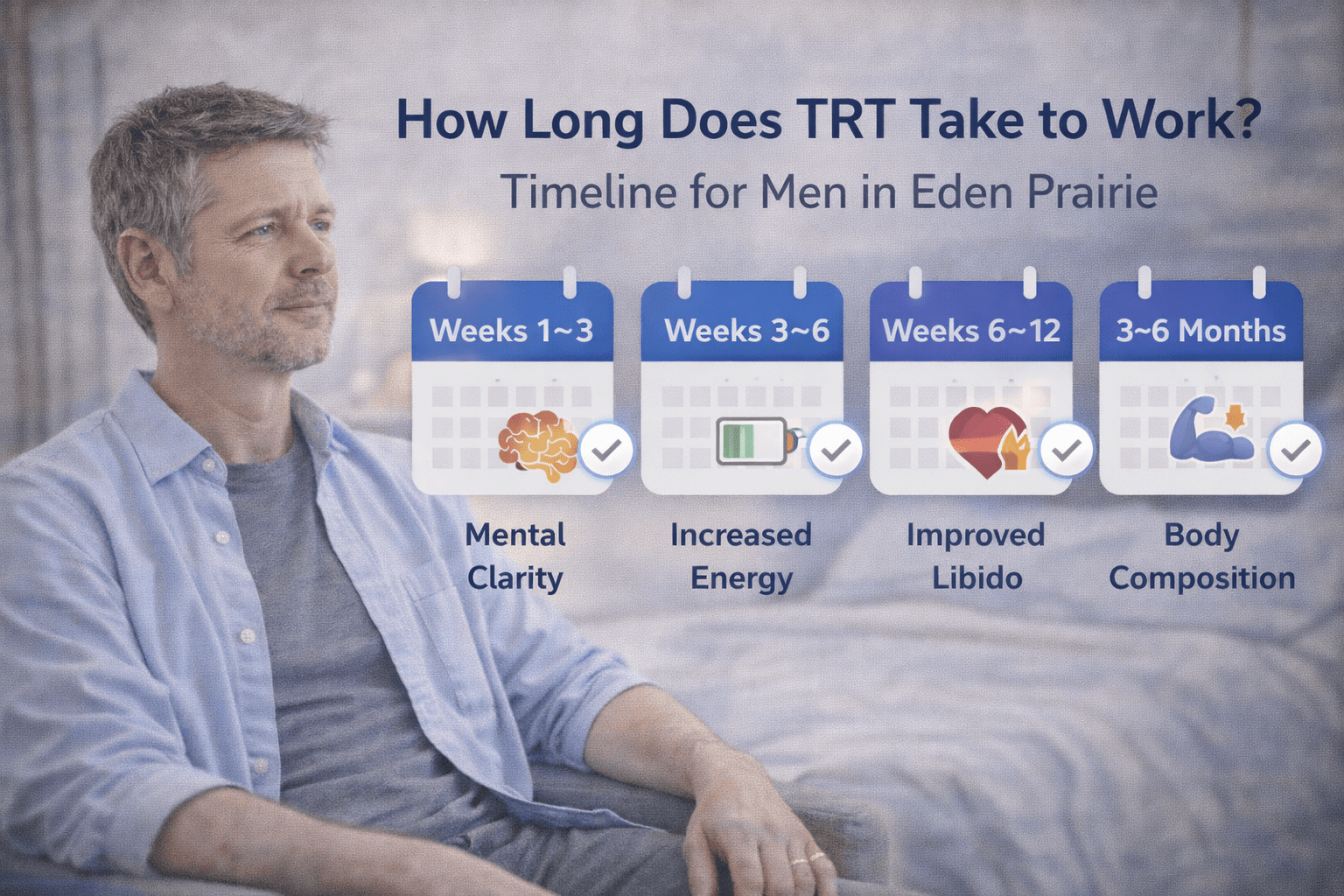
Beyond Hot Flashes

How Testosterone Restores Libido and Intimacy for Women in Minneapolis

By Dr. Kyle Kingsley, MD

For many women in Minneapolis, menopause care starts and stops with one symptom: hot flashes. While vasomotor symptoms are disruptive, they are often not the most distressing change women experience.

Loss of libido.
Reduced intimacy.
Emotional disconnection from a partner.

These issues are frequently minimized or dismissed, yet they are among the most common reasons women seek hormone evaluation. In many cases, estrogen alone does not fully address these concerns. Testosterone—a hormone women naturally produce—plays a critical and often overlooked role in sexual desire, arousal, and intimacy.

This article explains how testosterone affects female libido, why symptoms often persist after hot flashes resolve, and how physician-led testosterone therapy may help selected women in Minneapolis restore intimacy safely.


Libido Loss in Menopause Is Not “All in Your Head”

Declining sexual desire during perimenopause and menopause is biological, not psychological weakness or relationship failure.

Several hormonal changes occur simultaneously:

  • Estrogen declines, affecting vaginal tissue and comfort

  • Progesterone fluctuates, influencing mood and sleep

  • Testosterone gradually decreases, impacting desire and arousal

While estrogen therapy often improves vaginal dryness and hot flashes, it does not reliably restore libido. That is because libido is driven largely by androgen signaling, not estrogen alone.


Testosterone’s Role in Female Sexual Health

Testosterone is essential for female sexual function.

In women, testosterone contributes to:

  • Sexual desire and spontaneous interest

  • Genital blood flow and arousal

  • Sexual satisfaction and orgasm

  • Motivation and mental engagement with intimacy

As levels decline with age, many women notice:

  • Reduced sexual thoughts

  • Less interest in physical intimacy

  • Emotional distance from partners despite stable relationships

These changes are common—and treatable.


Why Hot Flashes Improve but Libido Does Not

Many women are surprised when estrogen therapy:

  • Improves sleep

  • Reduces hot flashes

  • Stabilizes mood

…but leaves libido unchanged.

This is not a failure of estrogen therapy. It reflects the reality that:

  • Estrogen treats vasomotor and tissue symptoms

  • Testosterone supports desire, arousal, and intimacy

When testosterone remains low, libido often remains low.


What Testosterone Therapy for Women Actually Looks Like

Testosterone therapy for women is not the same as testosterone replacement therapy for men.

Key differences:

  • Doses are a small fraction of male TRT doses

  • The goal is restoration to female physiologic ranges, not optimization

  • Therapy is introduced conservatively and adjusted gradually

Clinical guidance from the International Society for the Study of Women’s Sexual Health (ISSWSH) supports testosterone therapy for postmenopausal women with distressing low sexual desire when used at appropriate doses.
🔗 https://www.isswsh.org


Safety and Libido: Why Monitoring Matters

Testosterone therapy is safe for selected women when properly monitored.

Safety depends on:

  • Female-specific dosing

  • Symptom-based titration

  • Periodic reassessment

Masculinizing side effects—such as acne or facial hair—occur primarily when testosterone levels exceed female ranges. With conservative dosing and follow-up, these effects are uncommon and typically reversible.


Emotional Intimacy and Hormones

Loss of libido is not just physical—it affects relationships.

Many women report:

  • Guilt about avoiding intimacy

  • Strain in long-term partnerships

  • Loss of confidence or femininity

When testosterone deficiency is addressed appropriately, women often describe:

  • Return of spontaneous desire

  • Increased emotional closeness

  • Renewed confidence in intimacy

Hormones do not replace communication or relationship work—but they often remove a major biological barrier.


Why Physician-Led Care Is Critical

Most concerns about testosterone therapy stem from:

  • Inappropriate dosing

  • Lack of follow-up

  • Non-medical protocols

Physician-led care emphasizes:

  • Individual risk assessment

  • Conservative initiation

  • Ongoing monitoring over time

The North American Menopause Society (NAMS) notes that androgen therapy in women should be individualized and periodically reassessed to maintain safety.
🔗 https://www.menopause.org


How Libido-Focused Hormone Care Is Approached at Lite Medical

At Lite Medical, testosterone therapy is never prescribed automatically.

Care typically begins with the Premier Discovery Intake, which evaluates:

  • Symptoms and goals

  • Hormone history

  • Relationship and quality-of-life concerns

👉 https://litemedicalclinic.com/premier-discovery-intake/

Our approach emphasizes:

  • Female-specific dosing

  • Conservative titration

  • Ongoing follow-up

Women in Minneapolis are seen through our local clinic:
👉 https://litemedicalclinic.com/edina-minneapolis/

Women in nearby Richfield often report similar concerns about libido and intimacy, reflecting shared patterns across the south metro.

Learn more about our approach to women’s hormone replacement therapy here:
👉 https://litemedicalclinic.com/hormone-replacement-therapy-for-women/

And about our physician-led care model here:
👉 https://litemedicalclinic.com/about/


Frequently Asked Questions

Can testosterone really help restore libido in women?
Yes. In selected women with low sexual desire, testosterone therapy has been shown to improve libido, arousal, and sexual satisfaction when dosed appropriately.

Is testosterone therapy safe for women in Minneapolis?
When prescribed at female-physiologic doses and monitored by a physician, testosterone therapy is considered safe for appropriate candidates.

Do I need to stop estrogen to take testosterone?
No. Testosterone is often used alongside estrogen when clinically indicated.

How long does it take to notice changes in libido?
Some women notice improvement within weeks, while others require several months as dosing is adjusted.

Is testosterone therapy right for every woman?
No. It should only be considered after a comprehensive medical evaluation.


Final Thoughts from Dr. Kingsley

Hot flashes may bring women to care—but loss of intimacy keeps them searching for answers.

For women in Minneapolis, testosterone therapy can be a meaningful part of restoring libido and connection when used thoughtfully and safely. The goal is not excess or transformation, but a return to normal hormonal signaling that supports desire, confidence, and intimacy.


Book a Consultation

If you’re experiencing low libido or loss of intimacy and want a physician-guided discussion of hormone options, you can book a consultation here:
👉 https://litemedicalclinic.com/contact/


Medical & Regulatory Disclaimer

This article is for educational purposes only and does not constitute medical advice. Hormone therapy decisions are individualized and should be made in consultation with a qualified healthcare professional.

The US FDA urges caution around unapproved or compounded hormone formulations that may be unsafe.
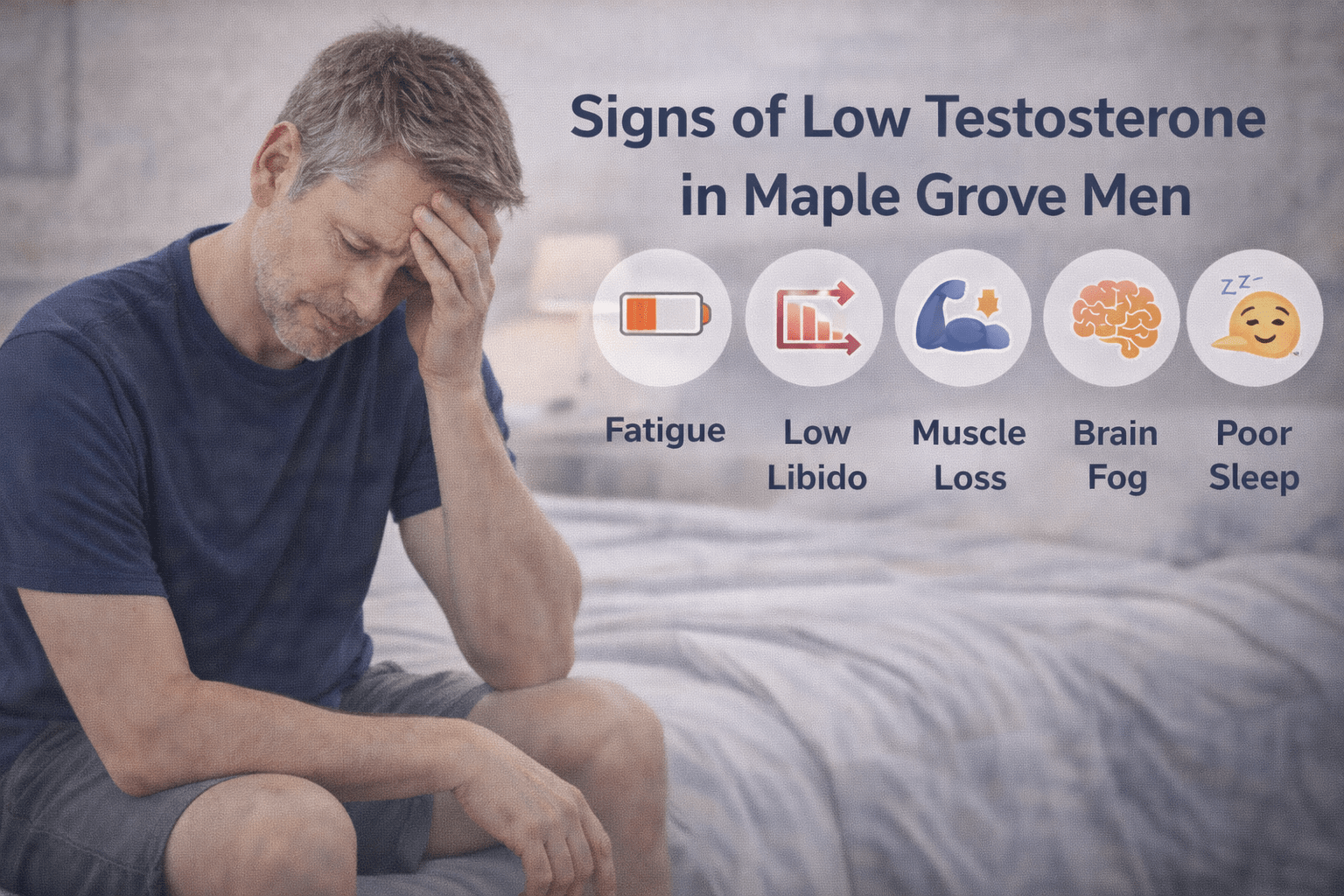
Women’s Testosterone Safety

Labs, Ranges, and Long-Term Monitoring for Women in Rochester, Minnesota

By Dr. Kyle Kingsley, MD

Interest in testosterone therapy among women has increased steadily, but for many women in Rochester, the primary question is not whether testosterone can help—it’s whether it is safe long-term.

Specifically, women want to understand:

  • What labs should be monitored

  • What testosterone levels are considered normal for women

  • How often follow-up is needed

  • How long therapy can be continued safely

These are appropriate questions. Testosterone therapy for women should never be casual or protocol-only. When used responsibly, it is guided by female-specific ranges, conservative dosing, and ongoing medical oversight.

This article explains how testosterone safety is evaluated over time and what women in Rochester should expect from physician-led monitoring.


Testosterone Is a Normal Hormone in Women

Testosterone is often misunderstood as a “male hormone,” but it plays an essential role in female physiology.

In women, testosterone is produced by:

  • The ovaries

  • The adrenal glands

It contributes to:

  • Libido and sexual responsiveness

  • Energy and motivation

  • Muscle and bone maintenance

  • Cognitive focus and mood

Levels decline gradually with age, particularly during perimenopause and menopause. For some women, this decline correlates with symptoms that meaningfully affect quality of life.


Why Safety Depends on Ranges, Not Just the Hormone

Testosterone safety is not about whether the hormone is present—it is about how much is present and how the body responds.

Problems historically associated with testosterone therapy occurred when:

  • Male dosing paradigms were applied to women

  • Levels exceeded female physiologic ranges

  • Monitoring was inconsistent or absent

Modern women’s testosterone therapy is designed to restore, not exceed, normal female levels.


Understanding Female Testosterone Ranges

Normal testosterone levels for women are significantly lower than for men.

While reference ranges vary slightly by laboratory, female testosterone levels are typically:

  • A fraction of male values

  • Interpreted in the context of symptoms, not isolated numbers

Clinical guidance from the International Society for the Study of Women’s Sexual Health (ISSWSH) emphasizes that testosterone therapy in women should aim to remain within physiologic female ranges to avoid androgenic side effects.
🔗 https://www.isswsh.org

There is no single “target number” that applies to every woman.


Which Labs Are Commonly Used

Laboratory testing supports safe therapy but does not replace clinical judgment.

Testosterone Measurements

Depending on the clinical context, labs may include:

  • Total testosterone

  • Free testosterone

These help confirm that levels remain within appropriate female ranges.

Additional Hormonal or Metabolic Labs

When clinically indicated, providers may also monitor:

  • Estradiol or progesterone

  • Lipid panel

  • Other metabolic markers

Labs are chosen selectively, not automatically.


Why Symptoms Matter More Than Numbers

Lab values alone do not determine safety.

Two women with identical testosterone levels may experience very different responses. This is why:

  • Symptom trends are reviewed at each visit

  • Dose adjustments are guided by clinical response

  • Numbers are interpreted in context

Responsible care avoids chasing lab values without regard to symptoms.


What Long-Term Monitoring Looks Like

Long-term testosterone safety relies on structured follow-up, not one-time testing.

Monitoring typically includes:

  • Periodic clinical visits

  • Review of benefits and side effects

  • Selective lab reassessment

The goal is to ensure therapy remains aligned with evolving health needs.


Why More Testing Is Not Always Safer

Excessive testing does not improve outcomes.

Unnecessary labs can:

  • Create anxiety

  • Lead to inappropriate dose changes

  • Shift focus away from symptom-based care

The safest approach is targeted monitoring, guided by medical judgment.


When Side Effects Can Occur

Side effects are uncommon when therapy is managed correctly, but may occur if:

  • Dosing exceeds physiologic ranges

  • Absorption is inconsistent

  • Follow-up is delayed

Possible signs of overtreatment include:

  • Acne

  • Increased facial hair

  • Voice changes

When identified early, these effects are typically mild and reversible.


Why Physician-Led Care Matters

Most reported problems with testosterone therapy occur when it is:

  • Prescribed without a comprehensive evaluation

  • Managed using rigid protocols

  • Left unmonitored over time

Physician-led care emphasizes:

  • Individual risk assessment

  • Conservative titration

  • Ongoing reassessment

The North American Menopause Society (NAMS) notes that androgen therapy in women should be individualized and periodically reviewed to maintain safety.
🔗 https://www.menopause.org


How Testosterone Therapy Is Managed at Lite Medical

At Lite Medical, testosterone therapy for women is never automatic.

Most patients begin with the Premier Discovery Intake, which establishes:

  • Symptom patterns

  • Hormone history

  • Risk factors and goals

👉 https://litemedicalclinic.com/premier-discovery-intake/

Our approach emphasizes:

  • Female-specific dosing

  • Conservative initiation

  • Structured follow-up

Women in Rochester receive care through our local clinic:
👉 https://litemedicalclinic.com/rochester/

Women in nearby Woodbury often raise similar questions about hormone monitoring, reflecting shared concerns across southeastern Minnesota.

You can also learn more about our broader approach to women’s hormone replacement therapy here:
👉 https://litemedicalclinic.com/hormone-replacement-therapy-for-women/

And about our physician-led care philosophy here:
👉 https://litemedicalclinic.com/about/


Frequently Asked Questions

Is testosterone therapy safe for women in Rochester long-term?
Yes. When prescribed at female-physiologic doses and monitored appropriately, testosterone therapy can be used safely over time in selected women.

How often are labs checked?
Labs are reviewed periodically based on symptoms, dose stability, and clinical judgment rather than on a fixed schedule.

Do levels need to stay at a specific number?
No. Safety is based on staying within female ranges and clinical response, not on achieving a single target value.

Can testosterone therapy be stopped if needed?
Yes. Therapy can be adjusted, paused, or discontinued at any point based on response or preference.

Is testosterone therapy appropriate for every woman?
No. It should only be considered after a physician-led evaluation of risks and potential benefits.


Final Thoughts from Dr. Kingsley

Testosterone therapy for women is safe when it is approached with discipline and restraint.

For women in Rochester, long-term safety depends on appropriate dosing, careful monitoring, and ongoing physician oversight. The risk is not testosterone itself—it is excess, haste, and lack of follow-up.

The goal is balance, not optimization at all costs.


Book a Consultation

If you’re considering testosterone therapy and want a physician-guided discussion of labs, ranges, and long-term safety, you can book a consultation here:
👉 https://litemedicalclinic.com/contact/


Medical & Regulatory Disclaimer

This article is for educational purposes only and does not constitute medical advice. Testosterone therapy decisions are individualized and should be made in consultation with a qualified healthcare professional.

The US FDA urges caution around unapproved or compounded hormone formulations that may be unsafe.
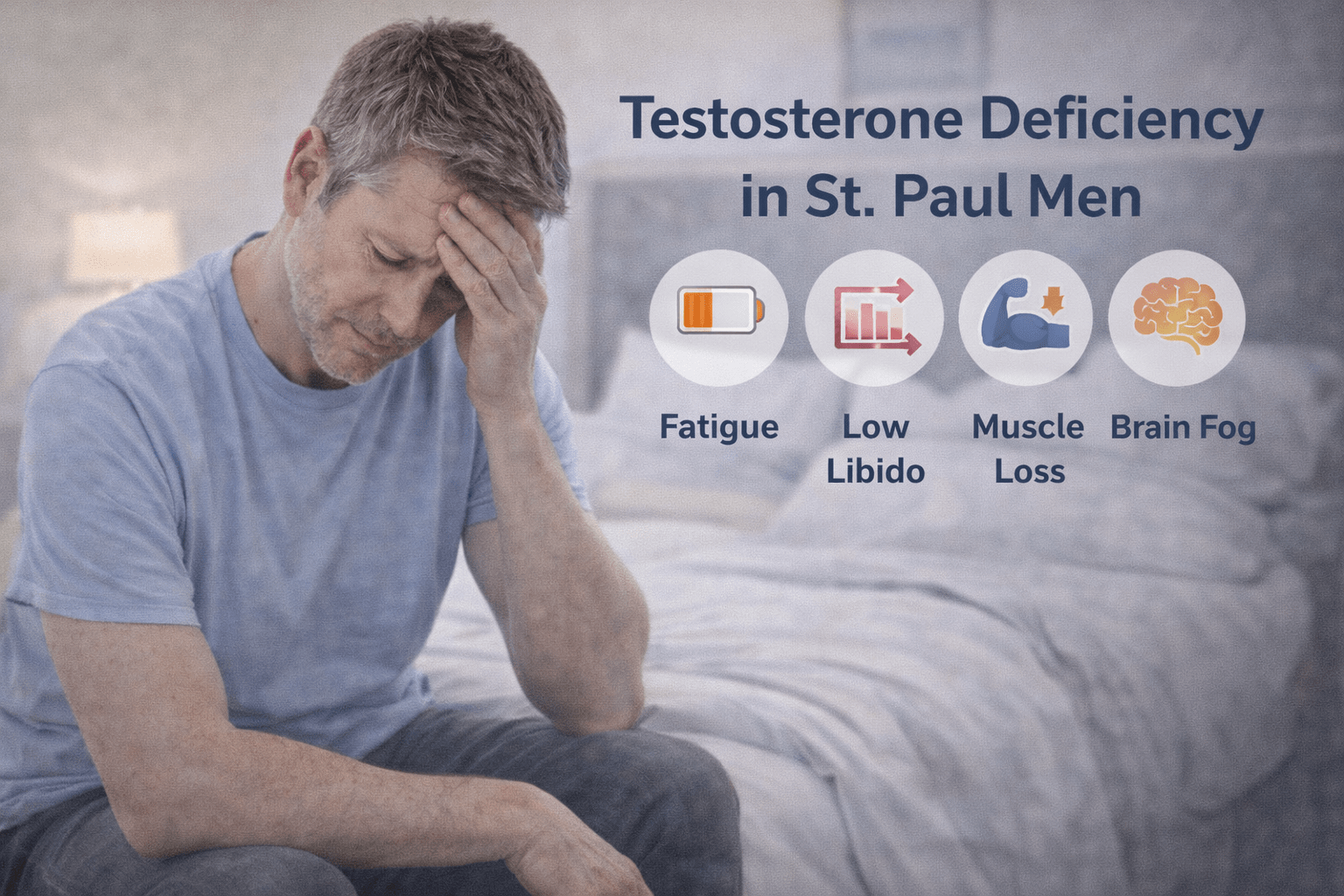
Is Testosterone Safe for Women?

Understanding Dosage and Monitoring in Eden Prairie & Chanhassen

By Dr. Kyle Kingsley, MD

Testosterone therapy for women has become a frequent topic of discussion, but safety remains the most common concern—particularly among women in Eden Prairie and Chanhassen who are considering hormone care in a cash-pay, physician-led setting.

Women often ask:

  • Is testosterone actually safe for women?

  • How much testosterone is appropriate?

  • What kind of monitoring is necessary?

Much of the confusion comes from misinformation and from failing to distinguish male-level testosterone therapy from female-physiologic dosing. When testosterone is prescribed conservatively and monitored appropriately, it can be used safely in selected women.

This article explains what safety truly means, how dosing is determined, and why structured monitoring is essential.


Testosterone Is a Normal Hormone in Women

Although commonly labeled a “male hormone,” testosterone plays an important role in female physiology.

In women, testosterone is produced by:

  • The ovaries

  • The adrenal glands

It contributes to:

  • Libido and sexual responsiveness

  • Energy and motivation

  • Muscle and bone maintenance

  • Cognitive focus and mood

Testosterone levels naturally decline with age, particularly during perimenopause and menopause. For some women, this decline is associated with symptoms that significantly affect quality of life.


Where Safety Concerns Come From

Most fears surrounding testosterone therapy stem from three sources:

  1. Confusing male testosterone replacement therapy (TRT) with female dosing

  2. Historical use of excessive or poorly monitored androgens

  3. Online anecdotes without medical context

Masculinizing side effects—such as facial hair, acne, or voice changes—occur when testosterone levels rise above female physiologic ranges, not when therapy is dosed appropriately.


What “Safe Dosing” Means for Women

Safety in testosterone therapy is primarily about dose and intent.

For women, testosterone therapy:

  • Uses a small fraction of male TRT doses

  • Aims to restore levels within the normal female range

  • Is introduced gradually, not aggressively

Guidance from the International Society for the Study of Women’s Sexual Health (ISSWSH) states that testosterone therapy in women should remain within physiologic ranges and only be used when clinically indicated.
🔗 https://www.isswsh.org

When dosing stays within these parameters, testosterone does not cause masculinization.


Why Monitoring Is Essential

Testosterone therapy should never be “set and forget.”

Monitoring ensures:

  • Hormone levels remain within safe ranges

  • Symptoms improve without unwanted effects

  • Dosing can be adjusted proactively

Monitoring is what transforms testosterone into a controlled medical therapy rather than a risk.


What Monitoring Typically Includes

Monitoring is individualized but often involves:

Clinical Follow-Up

  • Review of symptoms such as libido, energy, and mood

  • Screening for side effects

  • Blood pressure and overall health trends

Laboratory Assessment

When clinically appropriate, labs may include:

  • Total and/or free testosterone

  • Other relevant hormones

  • Select metabolic markers

Laboratory values support clinical decisions but do not replace symptom-based judgment.


Why More Testing Is Not Always Better

Safety does not come from excessive testing.

Unnecessary labs can:

  • Create anxiety

  • Lead to over-correction

  • Distract from symptom-driven care

Responsible monitoring is targeted and purposeful, not automatic.


What Women Commonly Notice When Therapy Is Appropriate

When testosterone is prescribed and monitored correctly, women more commonly report:

  • Improved libido

  • Increased motivation and drive

  • Better energy

  • Improved overall sense of well-being

These changes reflect restoration of normal hormonal signaling—not hormonal excess.


When Side Effects Can Occur

Unwanted effects are uncommon but may occur if:

  • Dosing exceeds physiologic ranges

  • Absorption is inconsistent

  • Follow-up is delayed

Possible signs of overtreatment include:

  • Acne

  • Increased facial hair

  • Voice changes

When identified early, these effects are typically mild and reversible with dose adjustment.


Why Physician-Led Care Matters

Most reported complications with testosterone therapy occur when it is:

  • Prescribed without a full medical evaluation

  • Managed using rigid protocols

  • Left unmonitored

Physician-led care emphasizes:

  • Individual risk assessment

  • Conservative titration

  • Ongoing reassessment

The North American Menopause Society (NAMS) notes that androgen therapy in women should be individualized and periodically reviewed to maintain safety.
🔗 https://www.menopause.org


How Testosterone Therapy Is Approached at Lite Medical

At Lite Medical, testosterone therapy for women is never automatic.

Most patients begin with the Premier Discovery Intake, which establishes:

  • Symptom patterns

  • Hormone history

  • Risk factors and goals

👉 https://litemedicalclinic.com/premier-discovery-intake/

Our approach emphasizes:

  • Female-specific dosing

  • Conservative initiation

  • Structured follow-up

Women in Eden Prairie and Chanhassen are seen through our combined clinic location:
👉 https://litemedicalclinic.com/eden-prairie-chanhassen/

Women in nearby Edina often ask similar safety questions, reflecting shared concerns across the southwest metro:
👉 https://litemedicalclinic.com/edina-minneapolis/

You can also learn more about our broader approach to women’s hormone replacement therapy here:
👉 https://litemedicalclinic.com/hormone-replacement-therapy-for-women/

And about our physician-led care philosophy here:
👉 https://litemedicalclinic.com/about/


Frequently Asked Questions

Is testosterone therapy safe for women in Eden Prairie and Chanhassen?
Yes. When prescribed at female-physiologic doses and monitored appropriately, testosterone therapy is considered safe for selected women.

How is dosing determined?
Dosing is based on symptoms, clinical context, and cautious titration rather than pushing hormone levels to a fixed target.

Do all women need routine lab monitoring?
Not always. Labs are used selectively to support safe dosing and symptom response.

Can testosterone therapy be stopped if needed?
Yes. Therapy can be adjusted, paused, or discontinued based on response or patient preference.

Is testosterone therapy appropriate for every woman?
No. It should only be considered after a physician-led evaluation of risks and potential benefits.


Final Thoughts from Dr. Kingsley

Testosterone therapy is safe for women when it is treated as medicine, not marketing.

For women in Eden Prairie and Chanhassen, safety comes from appropriate dosing, thoughtful monitoring, and physician oversight. Problems arise not from testosterone itself, but from excess, haste, and lack of follow-up.

The goal is restoring balance—not creating extremes.


Book a Consultation

If you’re considering testosterone therapy and want a physician-guided discussion of safety and monitoring, you can book your consultation here:
👉 https://litemedicalclinic.com/contact/


Medical & Regulatory Disclaimer

This article is for educational purposes only and does not constitute medical advice. Testosterone therapy decisions are individualized and should be made in consultation with a qualified healthcare professional.

The US FDA urges caution around unapproved or compounded hormone formulations that may be unsafe.
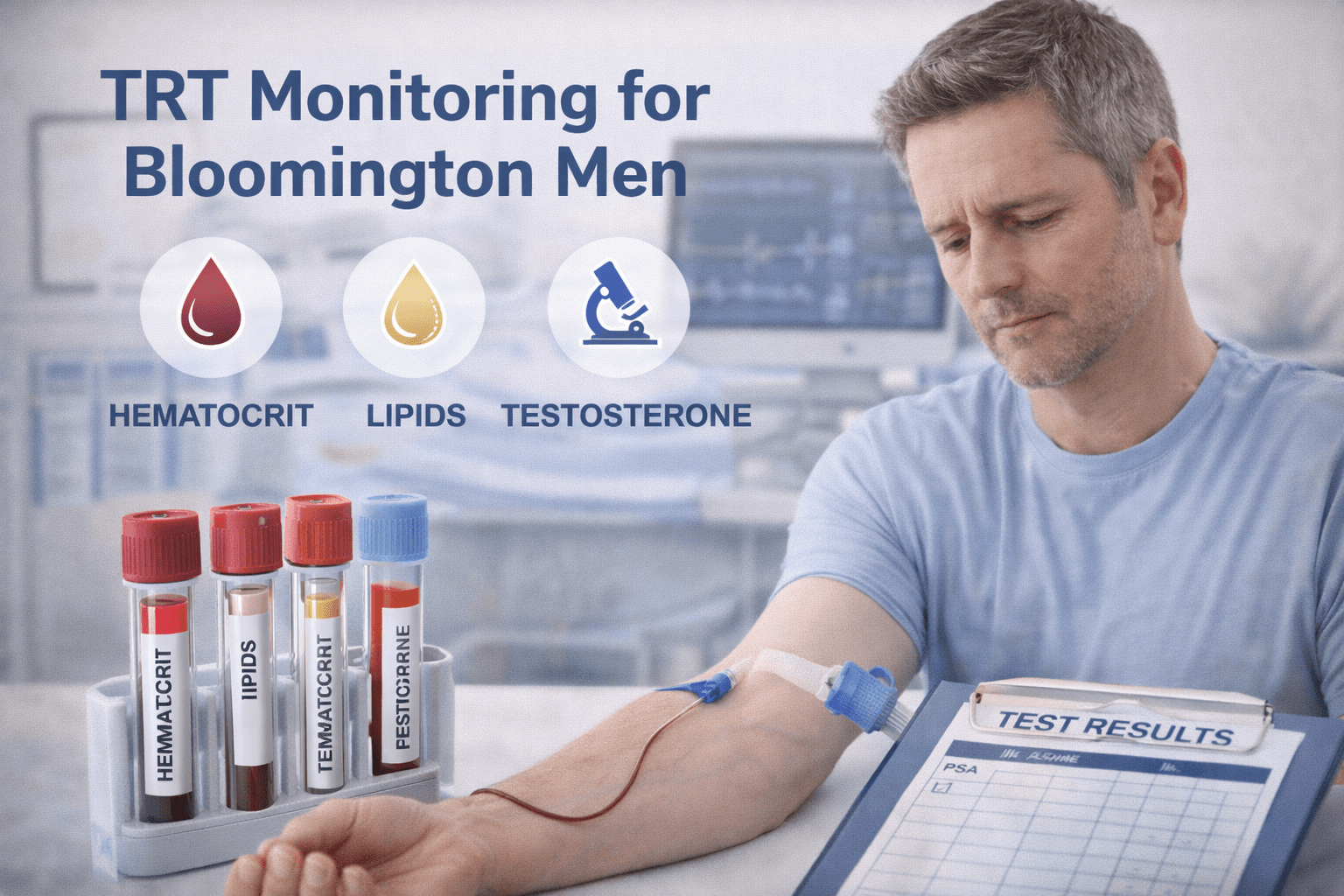
No, You Won’t Look Like a Man

The Truth About Low-Dose Testosterone for Women in the North Metro

By Kyle Kingsley, MD

For many women in the North Metro—particularly in areas like Blaine and Coon Rapids—testosterone therapy brings up an immediate and emotional concern:

“I don’t want to look masculine.”

This fear is understandable. Testosterone is widely misunderstood, often portrayed online as a hormone that inevitably causes facial hair, a deep voice, or male-like physical changes. In reality, those outcomes are associated with excessive dosing, not with the low-dose, physician-guided testosterone therapy used in women’s health.

This article explains:

  • Why testosterone is a normal and necessary hormone in women

  • What “low-dose” actually means

  • Why masculinization fears are largely unfounded

  • How physician-led care protects women in the North Metro


Testosterone Is a Normal Female Hormone

Testosterone is not just a “male hormone.”

In women, testosterone is produced by:

  • The ovaries

  • The adrenal glands

It contributes to:

  • Libido and sexual desire

  • Energy and motivation

  • Muscle maintenance

  • Bone density

  • Cognitive focus

Levels decline gradually with age and more noticeably during perimenopause and menopause.


Where the Masculinization Myth Comes From

The idea that testosterone makes women “look like men” comes from:

  • Confusing male TRT doses with female doses

  • Historical use of unmonitored or excessive androgens

  • Online anecdotes lacking medical context

Masculinizing effects historically occurred when women were exposed to supraphysiologic doses—levels far above what the female body naturally produces.

That is not how modern women’s testosterone therapy is practiced.


What “Low-Dose Testosterone” Actually Means

Low-dose testosterone therapy for women:

  • Uses a small fraction of male dosing

  • Aims to restore physiologic female levels, not exceed them

  • Is introduced gradually

Clinical guidance from the Endocrine Society stresses that androgen therapy in women should remain within physiologic ranges to avoid androgenic side effects.
🔗 https://www.endocrine.org

When dosing stays within those ranges, masculinization does not occur.


What Changes Women Typically Notice (When Dosed Correctly)

With appropriate dosing, women more commonly report:

  • Improved libido

  • Increased motivation

  • Better energy

  • Improved mood and sense of well-being

These effects reflect restoration of normal hormonal signaling—not transformation.


Why Masculinization Happens in Rare Cases

When masculinizing effects do occur, they are usually linked to:

  • Excessive dosing

  • Poor absorption control

  • Lack of follow-up and reassessment

Potential signs of overtreatment include:

  • Unwanted facial hair

  • Acne

  • Voice changes

These are dose-dependent, not inevitable—and most are reversible when therapy is adjusted early.


The Role of Genetics and Hair Follicle Sensitivity

Hair growth patterns depend not only on hormone levels but also on:

  • Genetic sensitivity of hair follicles

  • Conversion of testosterone to DHT (dihydrotestosterone)

Some women are more sensitive to DHT, which is why individualized dosing and monitoring matter.

The North American Menopause Society (NAMS) emphasizes that androgen therapy in women should be personalized and reassessed regularly.
🔗 https://www.menopause.org


Why Physician-Led Care Matters

Most fear-driven outcomes come from testosterone being:

  • Prescribed without full evaluation

  • Dosed aggressively

  • Left unmonitored

Physician-led care emphasizes:

  • Conservative starting doses

  • Symptom-guided adjustments

  • Ongoing reassessment over time

This approach dramatically reduces the risk of unwanted side effects.


How Testosterone Therapy Is Approached at Lite Medical

At Lite Medical, testosterone therapy for women begins with clinical context, not assumptions.

Most patients start with our Premier Discovery Intake, which evaluates:

  • Symptoms and goals

  • Hormone history

  • Risk factors

👉 https://litemedicalclinic.com/premier-discovery-intake/

Our care model focuses on:

  • Female-specific dosing

  • Conservative titration

  • Structured follow-up

Women in the North Metro receive care through our local clinic network, including Blaine and surrounding communities:
👉 https://litemedicalclinic.com/blaine-north-metro/

Women in nearby Maple Grove often raise similar concerns, reflecting how common these fears are across the metro.

Learn more about our medical team here:
👉 https://litemedicalclinic.com/about/


Frequently Asked Questions

Will low-dose testosterone make me look masculine?
No. When testosterone is prescribed at physiologic female doses and monitored appropriately, masculinization does not occur.

Can facial hair develop at low doses?
Most women do not experience facial hair growth. If mild changes occur, they are typically reversible with dose adjustment.

Is testosterone therapy permanent?
No. Therapy can be adjusted, paused, or discontinued based on symptoms and goals.

How soon would side effects appear if dosing were too high?
Side effects typically develop gradually and are caught early with proper follow-up.

Is testosterone therapy appropriate for every woman?
No. It should be considered only after a physician-led evaluation of symptoms and risks.


Final Thoughts from Dr. Kingsley

Testosterone does not make women masculine—excess testosterone does.

For women in the North Metro, low-dose, physician-guided testosterone therapy is about restoring balance, not changing identity. When therapy is conservative, individualized, and monitored, the feared outcomes simply do not reflect clinical reality.

The goal is normal physiology, not extremes.


Book a Consultation

If you’re curious whether testosterone therapy may be appropriate for you and want a physician-guided evaluation, you can book your consultation here:
👉 https://litemedicalclinic.com/contact/


Medical & Regulatory Disclaimers

This article is for educational purposes only and does not constitute medical advice. Testosterone therapy decisions are individualized and should be made in consultation with a qualified healthcare professional.

The US FDA urges caution around unapproved or compounded hormone formulations that may be unsafe. All therapies at Lite Medical are provided following appropriate medical evaluation and current clinical standards.

Will Testosterone Give Me Facial Hair?

Debunking Myths for Women in Minneapolis & Edina

By Kyle Kingsley, MD

For many women in Minneapolis and Edina, testosterone therapy raises an immediate and very specific fear:

“If I take testosterone, will I grow facial hair or start looking masculine?”

This concern is common, understandable, and largely driven by misinformation. Testosterone is often labeled a “male hormone,” and online discussions frequently ignore the most important factors: dose, physiology, and medical oversight.

The reality is far more nuanced—and far more reassuring—when testosterone is prescribed appropriately for women.

This article explains:

  • Why women naturally need testosterone

  • Where the facial-hair myth comes from

  • What actually causes unwanted hair growth

  • How physician-led care protects women in Minneapolis and Edina


Testosterone Is a Normal Hormone in Women

Testosterone is not exclusive to men.

In women, testosterone is produced by:

  • The ovaries

  • The adrenal glands

It plays a role in:

  • Libido and sexual response

  • Energy and motivation

  • Muscle maintenance

  • Bone density

  • Cognitive clarity

Testosterone levels naturally decline with age, particularly during perimenopause and menopause.


Why the Facial Hair Myth Persists

The fear of facial hair stems from three major misunderstandings:

  1. Confusing male TRT doses with female therapy doses

  2. Assuming any testosterone exposure causes virilization

  3. Relying on anecdotal or outdated examples

Historically, androgenic side effects occurred when women were exposed to excessive or poorly monitored testosterone, often outside of modern medical standards.

That is not how contemporary physician-led care works.


What Actually Causes Facial Hair Growth

Facial hair growth (hirsutism) is not simply about testosterone being present.

It depends on:

  • Dose (physiologic vs supraphysiologic)

  • Conversion to DHT, a more potent androgen

  • Hair follicle sensitivity (genetics)

  • Consistency of delivery and absorption

At female-appropriate doses, testosterone does not automatically trigger facial hair growth.


Why Dose Matters More Than the Hormone Itself

In medicine, dose determines effect.

Testosterone therapy for women:

  • Uses a small fraction of male dosing

  • Aims to restore physiologic levels, not exceed them

  • Is titrated gradually

Clinical guidance from the Endocrine Society emphasizes that androgen therapy in women should remain within physiologic ranges to avoid androgenic side effects.
🔗 https://www.endocrine.org

When dosing stays within these ranges, masculinizing effects are uncommon.


The Role of DHT and Individual Sensitivity

Some testosterone converts to dihydrotestosterone (DHT), which has stronger effects on hair follicles.

Women who are genetically more sensitive to DHT may notice:

  • Subtle hair changes earlier

  • Changes at lower doses

This does not mean testosterone is unsafe—it means dosing and monitoring must be individualized.


Why Physician-Led Care Makes the Difference

Most unwanted side effects occur when testosterone is:

  • Prescribed without full medical evaluation

  • Dosed too aggressively

  • Not reassessed over time

Physician-led care emphasizes:

  • Conservative starting doses

  • Gradual adjustments

  • Monitoring symptoms in context

The North American Menopause Society (NAMS) notes that androgen therapy in women should be individualized and periodically reassessed to balance benefit and risk.
🔗 https://www.menopause.org


What Women Usually Notice First (When Dosed Correctly)

When testosterone is prescribed appropriately, women more commonly report:

  • Improved libido

  • Increased motivation and drive

  • Better energy

  • Improved sense of well-being

Facial hair growth is not a typical early effect under proper medical supervision.


Can Facial Hair Still Occur?

Rarely, yes—but when it does:

  • It is usually mild

  • It is often reversible

  • It typically reflects a need for dose adjustment

This is why early follow-up matters.


How We Approach Testosterone Therapy at Lite Medical

At Lite Medical, testosterone therapy for women begins with context, not assumptions.

Most women start with our Premier Discovery Intake, which evaluates:

  • Symptoms and goals

  • Hormone history

  • Risk factors

👉 https://litemedicalclinic.com/premier-discovery-intake/

Our care model emphasizes:

  • Female-specific dosing

  • Conservative titration

  • Ongoing reassessment

Women in Minneapolis and Edina receive care through our local clinic network:
👉 https://litemedicalclinic.com/edina-minneapolis/

Women in nearby Richfield often raise similar concerns, reflecting how common these questions are across the south metro.

Learn more about our medical team here:
👉 https://litemedicalclinic.com/about/


Frequently Asked Questions

Will testosterone cause facial hair in women?
Most women in Minneapolis and Edina who use testosterone at physiologic doses do not develop facial hair. Risk depends on dose, genetics, and monitoring.

Is facial hair growth permanent if it occurs?
In most cases, mild hair changes improve or resolve when the dose is adjusted or therapy is paused.

Does testosterone make women look masculine?
Masculinization occurs only with excessive dosing far above female physiologic ranges.

How soon would facial hair appear if it were going to happen?
If it occurs, changes are gradual and typically detected early with proper follow-up.

Is testosterone therapy right for every woman?
No. It should be considered only after a physician-led evaluation of symptoms, risks, and goals.


Final Thoughts from Dr. Kingsley

Testosterone is not a “male hormone problem”—it is a normal female hormone that requires proper dosing and oversight.

For women in Minneapolis and Edina, fear of facial hair should not overshadow potential benefits when therapy is appropriately prescribed. The real risk comes not from testosterone itself, but from poor dosing and lack of medical supervision.

The goal is balance, not excess.


Book a Consultation

If you’re curious whether testosterone therapy may be appropriate for you and want a physician-guided evaluation, you can book your consultation here:
👉 https://litemedicalclinic.com/contact/


Medical & Regulatory Disclaimers

This article is for educational purposes only and does not constitute medical advice. Testosterone therapy decisions are individualized and should be made in consultation with a qualified healthcare professional.

The US FDA urges caution around unapproved or compounded hormone formulations that may be unsafe. All therapies at Lite Medical are provided following appropriate medical evaluation and current clinical standards.

TRT and Peptides: How They Work Together to Support Hormone Health

If you’re researching ways to improve energy, muscle mass, recovery, or overall hormone balance, you’ve likely come across TRT and peptides.

These therapies are often discussed separately, but many people want to know whether peptides and TRT can be used together, and whether combining them actually provides added benefits.


SEE HOW TRT OR PEPTIDE THERAPY CAN HELP YOU


Quick Answer: Can You Use TRT and Peptides Together?


Yes, TRT and peptides can often be used together safely under medical supervision.

TRT helps restore testosterone levels directly, while peptide therapy supports the body’s natural hormone signaling, recovery, and metabolic processes.

When combined thoughtfully, they can complement each other rather than compete.


What Is TRT?


Testosterone Replacement Therapy (TRT) is a medical treatment used to restore testosterone levels in individuals with clinically low testosterone.

Testosterone plays an important role in:

  • Energy and motivation
  • Muscle mass and strength
  • Fat metabolism
  • Mood and mental clarity
  • Libido and sexual function
  • Bone density

Low testosterone can lead to symptoms such as fatigue, reduced muscle mass, weight gain, brain fog, and low libido.

TRT works by replacing testosterone directly, helping bring hormone levels back into a healthy range.

TRT is typically delivered through injections, topical applications, or other provider-directed methods and requires ongoing lab monitoring to ensure safety and proper dosing.


What Are Peptides?


Peptides are short chains of amino acids that act as messengers in the body.

Instead of replacing hormones, peptides signal the body to regulate or stimulate specific biological functions.

Depending on the peptide, they may support:

  • Growth hormone production
  • Muscle recovery and tissue repair
  • Fat metabolism
  • Sleep quality
  • Inflammation management
  • Cellular health

In hormone-focused care, peptides are often used to support natural hormone pathways, especially growth hormone signaling, which plays a key role in recovery, body composition, and healthy aging.


TRT vs Peptides: What’s the Difference?


While they’re frequently discussed together, TRT and peptide therapy work in very different ways.

Feature TRT Peptide Therapy
How it works Replaces testosterone directly Signals the body to optimize function
Speed of effects Often faster More gradual and supportive
Primary focus Testosterone levels Hormone signaling, recovery, metabolism
Long-term role Hormone replacement System optimization

Because they work differently, TRT and peptides are often used together rather than as alternatives.


Can You Take TRT and Peptides Together?


For many people, yes, TRT and peptides can be taken together when guided by a qualified medical provider.

TRT focuses on correcting testosterone deficiency.

Peptides help support the systems that testosterone works alongside, such as growth hormone release, tissue repair, and metabolic balance.

This combined approach is not about doing “more,” but about creating a balanced hormone support plan.


Benefits of Combining Peptides and TRT


Using peptides and TRT together may help support:

  • Improved muscle recovery and physical performance
  • Better sleep quality
  • Increased energy and stamina
  • More efficient fat metabolism
  • Overall hormonal balance and resilience

TRT addresses testosterone directly, while peptides may help the body respond more effectively to that restored hormone environment.


What Peptides Are Commonly Used With TRT?


Peptide therapy is always individualized, but some peptides are often discussed alongside TRT because of how they support recovery and hormone-related pathways.


Growth Hormone–Supporting Peptides


These peptides are commonly used to encourage natural growth hormone release, which can help with:

  • Muscle repair and recovery
  • Body composition
  • Sleep quality
  • Healthy aging

They do not replace growth hormone but work by stimulating the body’s own production.


Recovery and Metabolic Support Peptides


Some peptides are used to support:

  • Tissue repair
  • Exercise recovery
  • Inflammation regulation

When combined with TRT, they may help the body better adapt to physical stress and training demands.


Is It Safe to Combine TRT and Peptides?


Safety depends on proper medical oversight.

Both TRT and peptide therapy influence hormone-related systems, which is why combining them should always involve:

  • Comprehensive lab testing
  • Personalized dosing
  • Ongoing monitoring
  • Clear treatment goals

When managed appropriately, combining TRT and peptides is typically about optimization and balance, not excess.


Who Might Consider TRT and Peptides?


The combination of TRT and peptides may be considered for individuals who:

  • Have diagnosed low testosterone
  • Are already on TRT but want additional recovery or metabolic support
  • Want to improve energy, sleep, or body composition
  • Are focused on long-term hormone health rather than short-term fixes

This approach is highly individualized and not necessary for everyone.


What Results Can You Expect?


Results vary, but many people notice:

  • Earlier improvements from TRT (energy, libido, mental clarity)
  • Gradual improvements from peptides (recovery, sleep, endurance)
  • More consistent symptom relief over time

TRT often produces noticeable changes first, while peptides tend to provide supportive benefits that build gradually.


A Personalized Approach Matters


TRT and peptide therapy are not one-size-fits-all treatments.

Lab work, symptoms, lifestyle, and health history all play a role in determining whether either, or both, are appropriate.

At Lite Medical in Minnesota, hormone care is approached with a focus on education, safety, and individualized treatment planning.

The goal isn’t just to improve lab values, but to support how patients feel, function, and perform in daily life.


CONTACT US


Final Thoughts on TRT and Peptides


TRT and peptides are often discussed together because they can work well together when used thoughtfully.

TRT replaces what the body may be lacking, while peptides help support how the body functions and adapts.

If you’re exploring peptides and TRT, the most important step is working with a medical provider who understands how these therapies interact and can guide you safely.

Hormone care isn’t about shortcuts, it’s about informed, personalized decisions that support long-term health.


SCHEDULE A CONSULTATION


FAQs About TRT and Peptides


What should you avoid while on TRT?

While on TRT, it’s generally recommended to avoid excessive alcohol use, poor sleep habits, unmanaged stress, and inconsistent dosing. Skipping lab monitoring or adjusting doses without medical guidance can also interfere with results and safety.


Are peptides healthier than TRT?

Peptides and TRT serve different purposes, so one isn’t necessarily “healthier” than the other. TRT replaces testosterone directly, while peptides support the body’s natural signaling systems. Which is appropriate depends on your hormone levels, symptoms, and goals.


How can you maximize TRT results?

Maximizing TRT results usually involves consistent dosing, regular lab monitoring, quality sleep, strength training, proper nutrition, and stress management. Supporting overall hormone health often leads to better outcomes than focusing on testosterone alone.


Can you take peptides and TRT together?

Yes, peptides and TRT can often be taken together under medical supervision. TRT restores testosterone levels, while peptides may support recovery, sleep, metabolism, and hormone signaling, making them complementary in some treatment plans.


Is there downsides to taking peptides?

Peptides are not risk-free. Potential downsides include improper dosing, poor-quality sourcing, lack of regulation, and using peptides without medical oversight. Not all peptides are appropriate for every person or goal.

Why Physician-Led HRT Is Different

What Women in Chanhassen, Minnesota Should Know

By Kyle Kingsley, MD

Hormone replacement therapy (HRT) is widely discussed, heavily marketed, and increasingly available through online platforms and non-medical clinics. For many women in Chanhassen, this creates confusion: if hormones are the same medications, does it really matter who is managing the care?

The short answer is yes.

Physician-led hormone therapy differs fundamentally from protocol-driven or app-based care. The difference is not branding or convenience—it is clinical judgment, safety oversight, and individualized decision-making.

This article explains:

  • What “physician-led” HRT actually means

  • How it differs from non-medical or algorithm-based models

  • Why this distinction matters for safety and outcomes

  • What women in Chanhassen should expect from responsible care


What Does “Physician-Led” HRT Mean?

Physician-led HRT means that hormone therapy decisions are made by a licensed physician who:

  • Reviews the full medical context

  • Interprets symptoms alongside labs

  • Understands risk stratification

  • Adjusts therapy over time based on response

It is not limited to writing a prescription—it involves ongoing clinical stewardship.


Why Protocol-Only Hormone Care Falls Short

Many non-physician or online programs rely on:

  • Predefined protocols

  • Limited intake questionnaires

  • Automatic dose escalation

  • Minimal follow-up

While these models may appear efficient, they often fail to account for:

  • Comorbid conditions

  • Family history

  • Timing relative to menopause

  • Individual risk tolerance

Hormones affect multiple organ systems, and standardized protocols cannot safely account for that complexity.


The Role of Clinical Judgment in HRT

Hormone therapy decisions involve nuance.

Examples include:

  • Deciding whether hormones are appropriate at all

  • Selecting delivery method based on risk profile

  • Interpreting symptoms that do not align neatly with lab values

  • Knowing when not to escalate dose

The North American Menopause Society (NAMS) emphasizes that hormone therapy should be individualized and periodically reassessed rather than protocol-driven.
🔗 https://www.menopause.org

This level of judgment requires medical training and experience.


Why Safety Monitoring Is Different Under Physician Care

Physician-led care prioritizes longitudinal oversight.

This includes:

  • Establishing a clear baseline

  • Monitoring symptom trends over time

  • Ordering labs or imaging only when clinically indicated

  • Adjusting therapy proactively

The Endocrine Society highlights the importance of clinician-guided hormone therapy to ensure appropriate dosing, monitoring, and risk mitigation.
🔗 https://www.endocrine.org

Safety is managed continuously, not assumed.


Symptom Context Matters More Than Checklists

Hormonal symptoms are rarely isolated.

For example:

  • Fatigue may reflect sleep disruption, not dose deficiency

  • Mood changes may fluctuate with stress rather than hormone levels

  • Weight changes may relate to body composition rather than estrogen alone

Physician-led care evaluates symptoms in context, reducing unnecessary dose changes and minimizing risk.


Why One-Size-Fits-All Hormone Dosing Is Risky

Hormone sensitivity varies widely between individuals.

Two women of the same age may respond very differently to the same dose. Protocol-based models often escalate dosing when symptoms persist, without adequately reassessing the underlying cause.

Physician-led care prioritizes:

  • Conservative, physiologic dosing

  • Patience during stabilization

  • Adjustments only when clinically justified


How Physician-Led HRT Fits Into Broader Health

Hormone therapy does not exist in isolation.

Physicians consider:

  • Cardiovascular risk

  • Bone health

  • Metabolic factors

  • Sleep and mental health

This integrated view helps avoid tunnel vision and improves long-term outcomes.

You can learn more about our approach to women’s hormone replacement therapy here:
👉 https://litemedicalclinic.com/hormone-replacement-therapy-for-women/


How Care Begins at Lite Medical

At Lite Medical, physician-led HRT begins with listening, not prescribing.

Most women start with our Premier Discovery Intake, a comprehensive evaluation that establishes:

  • Symptom patterns

  • Health history

  • Goals and concerns

👉 https://litemedicalclinic.com/premier-discovery-intake/

We operate on a transparent cash-pay model, allowing time for individualized decision-making without insurance-driven shortcuts.

Women in Chanhassen receive care through our local clinic network:
👉 https://litemedicalclinic.com/eden-prairie-chanhassen/

Women in nearby Eden Prairie often ask similar questions when comparing hormone care options across the southwest metro.

Learn more about our medical team here:
👉 https://litemedicalclinic.com/about/


Frequently Asked Questions

How is physician-led HRT different from online hormone programs?
Physician-led care involves comprehensive medical evaluation, individualized dosing, and ongoing monitoring rather than standardized protocols.

Does physician-led care mean more testing?
Not necessarily. Testing is ordered when clinically appropriate, not automatically.

Is physician-led HRT safer?
Safety is improved through risk assessment, conservative dosing, and structured follow-up rather than assumption.

Can symptoms still fluctuate with physician-led care?
Yes. Hormonal transitions are dynamic, but physician oversight helps manage changes thoughtfully.

Is physician-led care more expensive?
Cash-pay models emphasize value and individualized care rather than volume-based services.


Final Thoughts from Dr. Kingsley

Hormone therapy is not simply about replacing hormones—it is about clinical judgment over time.

For women in Chanhassen, physician-led HRT offers clarity, safety, and individualized decision-making that cannot be replicated by protocol-only models. The goal is thoughtful care that evolves with the patient, not static treatment plans.


Book a Consultation

If you’re considering hormone therapy and want a physician-guided evaluation, you can book your consultation here:
👉 https://litemedicalclinic.com/contact/


Medical & Regulatory Disclaimers

This article is for educational purposes only and does not constitute medical advice. Hormone therapy decisions are individualized and should be made in consultation with a qualified healthcare professional.

The US FDA urges caution around unapproved or compounded hormone formulations that may be unsafe. All therapies at Lite Medical are provided following appropriate medical evaluation and current clinical standards.

HRT Safety Monitoring

Labs, Imaging, and Follow-Up for Women in Bloomington, Minnesota

By Kyle Kingsley, MD

For many women in Bloomington, interest in hormone replacement therapy (HRT) is accompanied by an equally important question: How is safety actually monitored once hormone therapy begins?

Modern HRT is not casual prescribing. When done correctly, it is a structured, physician-led process that emphasizes baseline assessment, conservative dosing, and ongoing follow-up. Safety is not assumed—it is actively managed.

This article explains:

  • What safety monitoring truly involves

  • Which labs and imaging are commonly used

  • How follow-up visits guide clinical decisions

  • What Bloomington women should reasonably expect from responsible HRT care


What “Safety Monitoring” Means in Modern HRT

Safety monitoring is proactive, not reactive.

In contemporary practice, it involves:

  • Establishing a clear baseline before therapy

  • Tracking physiologic changes over time

  • Adjusting therapy when risk–benefit balance changes

Clinical guidance from the North American Menopause Society (NAMS) emphasizes that hormone therapy should be individualized and periodically reassessed rather than continued indefinitely without review.
🔗 https://www.menopause.org

Monitoring ensures that therapy remains aligned with a woman’s symptoms, health history, and goals.


Baseline Evaluation Before Starting HRT

Before initiating hormone therapy, clinicians must understand where a patient is starting.

A proper baseline evaluation typically includes:

  • Detailed symptom review and timeline

  • Menstrual and reproductive history

  • Personal and family medical history

  • Blood pressure and body composition

  • Review of cardiovascular and breast cancer risk factors

This baseline allows future changes to be interpreted meaningfully rather than in isolation.


Laboratory Testing in HRT Monitoring

Laboratory tests support clinical decision-making, but they are not used in isolation.

Hormone Levels

Depending on the clinical scenario, labs may include:

  • Estradiol

  • Progesterone

  • Testosterone (when appropriate)

These values help confirm absorption and dosing trends, but symptom response remains central to interpretation.

Metabolic and Cardiovascular Markers

Because estrogen influences lipid metabolism and vascular function, monitoring may include:

  • Lipid panel

  • Fasting glucose or hemoglobin A1C

The Endocrine Society highlights estrogen’s role in lipid regulation and cardiovascular physiology, reinforcing the importance of metabolic monitoring during therapy.
🔗 https://www.endocrine.org

Additional Labs (When Indicated)

Based on individual history, clinicians may also monitor:

  • Thyroid function

  • Liver enzymes

  • Inflammatory markers

Testing is personalized, not automatic.


Imaging and Preventive Screening

Imaging is not performed because a woman is on HRT—it is performed because it is part of appropriate preventive care.

Breast Imaging

Women should remain current with age-appropriate breast screening, including mammography, regardless of hormone use. Hormone therapy does not replace routine screening recommendations.

Bone Health Imaging

In select patients—particularly those at risk for osteoporosis—bone density testing may be considered as part of long-term health planning.

Preventive screening decisions are guided by age, risk factors, and clinical guidelines, not hormone therapy alone.


Follow-Up Visits: The Cornerstone of Safety

Follow-up is where safety monitoring truly occurs.

During follow-up visits, clinicians assess:

  • Symptom response

  • Side effects or tolerability concerns

  • Blood pressure and weight trends

  • Whether dose or delivery method adjustments are needed

Early follow-up is typically more frequent, with intervals extending once therapy stabilizes.


Why Ongoing Reassessment Matters

Hormone needs change over time.

Factors that may prompt reassessment include:

  • Aging

  • Changes in health status

  • New medications

  • Shifts in symptom burden

Responsible HRT care recognizes that therapy should evolve rather than remain static.


Common Misconceptions About Monitoring

“If my labs are normal, everything is fine.”
Not necessarily. Labs must be interpreted in clinical context.

“More testing means safer care.”
Excessive testing without purpose does not improve safety.

“Once therapy works, monitoring isn’t needed.”
Ongoing review remains essential even when symptoms are controlled.


How We Approach HRT Monitoring at Lite Medical

At Lite Medical, safety monitoring is built into care from the start.

Most women begin with our Premier Discovery Intake, which establishes a comprehensive baseline before any therapy decisions are made:
👉 https://litemedicalclinic.com/premier-discovery-intake/

Our approach emphasizes:

  • Conservative, physiologic dosing

  • Symptom-driven adjustments

  • Periodic reassessment rather than autopilot prescribing

Women in Bloomington receive care through our local clinic network:
👉 https://litemedicalclinic.com/richfield-bloomington/

Women in nearby Edina often ask similar safety questions, reflecting how universal these concerns are across the south metro.

Learn more about our medical team and care philosophy here:
👉 https://litemedicalclinic.com/about/


Frequently Asked Questions

How often are labs checked when starting HRT in Bloomington?
Many women in Bloomington have labs reviewed at baseline and again after therapy stabilizes. The exact schedule depends on symptoms, dose, and individual risk factors.

Do hormone levels need to be checked regularly?
Hormone levels may be monitored periodically, but symptom response and overall health are often more informative than single lab values.

Does being on HRT mean I need extra imaging?
No. Imaging recommendations are based on age and risk, not hormone use alone.

What happens if labs change over time?
Changes prompt reassessment of dose, delivery method, or overall treatment strategy rather than automatic discontinuation.

Is monitoring different in a cash-pay clinic?
Cash-pay care allows for individualized monitoring without insurance-driven testing requirements.


Final Thoughts from Dr. Kingsley

HRT safety is not about fear—it is about structure and oversight.

For women in Bloomington, responsible hormone therapy means clear baselines, thoughtful follow-up, and periodic reassessment. When monitored appropriately, HRT can be managed with attention to both symptom relief and long-term health.

The goal is informed, measured care—not assumptions or extremes.


Book a Consultation

If you are considering hormone therapy and want a physician-guided discussion of safety and monitoring, you can book your consultation here:
👉 https://litemedicalclinic.com/contact/


Medical & Regulatory Disclaimers

This article is for educational purposes only and does not constitute medical advice. Hormone therapy decisions are individualized and should be made in consultation with a qualified healthcare professional.

The US FDA urges caution around unapproved or compounded hormone formulations that may be unsafe. All therapies at Lite Medical are provided following appropriate medical evaluation and current clinical standards.

Common Symptoms of Hormonal Imbalance

What Women in Rochester, Minnesota Should Know

By Kyle Kingsley, MD

Hormones influence nearly every system in the female body—from sleep and mood to metabolism, bone health, and cardiovascular function. When hormonal signaling becomes disrupted, the symptoms can feel vague, overlapping, and difficult to explain. Many women in Rochester are told that their labs are “normal,” yet they continue to feel unlike themselves.

This disconnect often reflects hormonal imbalance, a broad term that describes changes in hormone levels, timing, or receptor sensitivity that affect how the body functions day to day.

This article explains:

  • The most common symptoms associated with hormonal imbalance

  • Why symptoms often cluster together

  • How age and life stage influence presentation

  • When a medical evaluation may be appropriate


What Is Hormonal Imbalance?

Hormonal imbalance does not always mean a hormone is simply “low” or “high.” In many cases, the issue is timing, fluctuation, or tissue response.

Hormonal imbalance can occur when:

  • Hormone levels fluctuate unpredictably

  • The balance between hormones shifts (such as estrogen and progesterone)

  • Target tissues become more or less sensitive to hormonal signals

These changes commonly occur during perimenopause and menopause but can also appear earlier in life.


Why Symptoms Can Feel So Nonspecific

Hormones act as messengers across multiple systems. When signaling becomes inconsistent, symptoms may appear unrelated on the surface but share a common underlying cause.

Clinical guidance from the Endocrine Society emphasizes that hormonal changes can affect neurologic, metabolic, musculoskeletal, and cardiovascular systems simultaneously.
🔗 https://www.endocrine.org

This is why hormonal imbalance is often missed or minimized.


Common Physical Symptoms

Many Rochester women report physical changes that develop gradually.

Fatigue and Low Energy

Persistent fatigue that does not improve with sleep is one of the most common complaints. Hormonal changes can disrupt circadian rhythm, mitochondrial energy production, and sleep architecture.

Weight Gain or Body Composition Changes

Hormonal shifts may influence how the body stores fat and maintains muscle, even when diet and activity have not changed.

Sleep Disruption

Difficulty falling asleep, frequent awakenings, or early-morning waking are common during periods of hormonal transition.

Hot Flashes and Night Sweats

Vasomotor symptoms are often associated with estrogen fluctuation rather than absolute deficiency, particularly in perimenopause.


Cognitive and Emotional Symptoms

Hormonal imbalance frequently affects brain signaling.

Brain Fog

Many women describe difficulty concentrating, word-finding problems, or slowed thinking. These changes are often subtle but frustrating.

Mood Changes

Irritability, anxiety, or low mood may appear or worsen during hormonal transitions, even in women without prior mood disorders.

Reduced Stress Tolerance

Hormonal changes can amplify the body’s stress response, making everyday stressors feel overwhelming.


Changes in Libido and Sexual Health

Hormones play a role in sexual desire, arousal, and comfort.

Common concerns include:

  • Decreased libido

  • Vaginal dryness or discomfort

  • Reduced sexual satisfaction

These symptoms are common but often underreported.


Musculoskeletal and Joint Symptoms

Estrogen influences connective tissue and joint health.

Some women notice:

  • Increased joint stiffness

  • New aches without clear injury

  • Reduced recovery after activity

These changes may occur alongside other menopausal symptoms.


Why Timing and Age Matter

Symptoms of hormonal imbalance vary by life stage.

  • Perimenopause: symptoms often fluctuate and feel unpredictable

  • Menopause: symptoms may stabilize but persist

  • Postmenopause: long-term effects on bone, muscle, and metabolism become more relevant

The North American Menopause Society (NAMS) notes that symptom severity often peaks during perimenopause due to hormonal variability rather than absolute deficiency.
🔗 https://www.menopause.org


When Symptoms Warrant Evaluation

You should consider a medical evaluation if:

  • Symptoms are persistent or worsening

  • Quality of life is affected

  • Symptoms are dismissed despite clear impact

Evaluation should focus on patterns and context, not a single lab value.


How Hormone Therapy Fits In (When Appropriate)

Hormone replacement therapy (HRT) is not necessary for every woman, but it may be helpful for some.

When used thoughtfully, HRT may support:

  • Vasomotor symptoms

  • Sleep quality

  • Quality of life during hormonal transition

You can learn more about our evidence-based approach to women’s hormone replacement therapy here:
👉 https://litemedicalclinic.com/hormone-replacement-therapy-for-women/


How We Approach Hormonal Symptoms at Lite Medical

At Lite Medical, evaluation begins with listening to the symptom story, not just reviewing lab results.

Most women start with our Premier Discovery Intake, which establishes a comprehensive baseline:
👉 https://litemedicalclinic.com/premier-discovery-intake/

Our care model emphasizes:

  • Individualized assessment

  • Conservative, physiologic decision-making

  • Ongoing reassessment over time

Women in Rochester receive care through our local clinic:
👉 https://litemedicalclinic.com/rochester/

Women in nearby Woodbury often report similar symptom patterns, highlighting how common these concerns are across Minnesota.

Learn more about our medical team here:
👉 https://litemedicalclinic.com/about/


Frequently Asked Questions

Are hormonal imbalance symptoms common in Rochester women?
Yes. Many women in Rochester experience symptoms during perimenopause and menopause, though severity and timing vary widely.

Can labs be normal even if symptoms are real?
Yes. Hormonal symptoms often reflect fluctuations or tissue response rather than single abnormal lab values.

Is fatigue always hormone-related?
No. Fatigue can have many causes, but hormonal imbalance is a common contributor that should be considered in context.

Do symptoms always mean hormone therapy is needed?
No. Treatment decisions depend on symptoms, health history, and individual goals.

How do I know if my symptoms are age-related or something else?
A physician-led evaluation helps distinguish hormonal transition from other medical conditions.


Final Thoughts from Dr. Kingsley

Hormonal imbalance is not a vague diagnosis—it is a reflection of how complex and interconnected hormonal systems truly are.

For women in Rochester, recognizing symptom patterns is the first step toward clarity. With proper evaluation and individualized care, many women gain a better understanding of what their bodies are experiencing and what options may or may not be appropriate.

The goal is informed decision-making, not assumptions.


Book a Consultation

If you’re experiencing symptoms you suspect may be hormonally related and want a physician-guided evaluation, you can book your consultation here:
👉 https://litemedicalclinic.com/contact/


Medical & Regulatory Disclaimers

This article is for educational purposes only and does not constitute medical advice. Hormonal imbalance evaluation and treatment are individualized and should be guided by a qualified healthcare professional.

The US FDA urges caution around unapproved or compounded hormone formulations that may be unsafe. All therapies at Lite Medical are provided following appropriate medical evaluation and current clinical standards.